
Everything you need to know about hiring animation studios, understanding animation types, and bringing your brand to life through motion.
Table of contents
- 🎬 Key Takeaways
- 1. What Are Animation Services?
- 2. Types of Animation Services
- 3. Animation for Business Applications
- 4. The Animation Production Process
- 5. Understanding Animation Pricing
- 6. How to Choose an Animation Studio
- 7. Creating an Effective Creative Brief
- 8. Animation Trends in 2026
- 9. DIY vs Professional Animation
- 10. Maximizing Your Animation Investment
- ❓ Frequently Asked Questions
- Bringing Your Vision to Life
🎬 Key Takeaways
- Animation services range from simple motion graphics to complex 3D productions, with prices from $1,000 to $500,000+
- Explainer videos remain the most popular animation type for businesses, with proven ROI in conversion rates
- The animation process typically takes 4-12 weeks depending on complexity and style
- Choosing the right animation studio requires evaluating portfolios, communication style, and industry expertise
- AI tools are changing animation workflows but haven't replaced human creativity and storytelling
When I first started working in animation fifteen years ago, hiring an animation studio meant you were either a major corporation with a massive budget or a film production company. Today, businesses of every size use animation to connect with customers, explain complex products, and stand out in crowded digital spaces. The animation industry has democratized in remarkable ways.
Animation has become one of the most powerful tools in modern marketing and communication. A well-crafted animated video can explain your product in seconds, create emotional connections that live-action struggles to achieve, and remain relevant for years without looking dated. There's a reason why companies from startups to Fortune 500 giants invest heavily in animation services.
This guide walks you through everything you need to know about animation services: the different types available, how pricing works, what to expect during production, and how to choose a studio that matches your needs and vision. Whether you're commissioning your first explainer video or planning a comprehensive animated brand campaign, you'll find practical insights here.
1. What Are Animation Services?
Animation services encompass the professional creation of moving visual content using various techniques and technologies. Unlike live-action video that captures real footage, animation constructs every frame deliberately, offering complete creative control over visuals, timing, and narrative presentation.
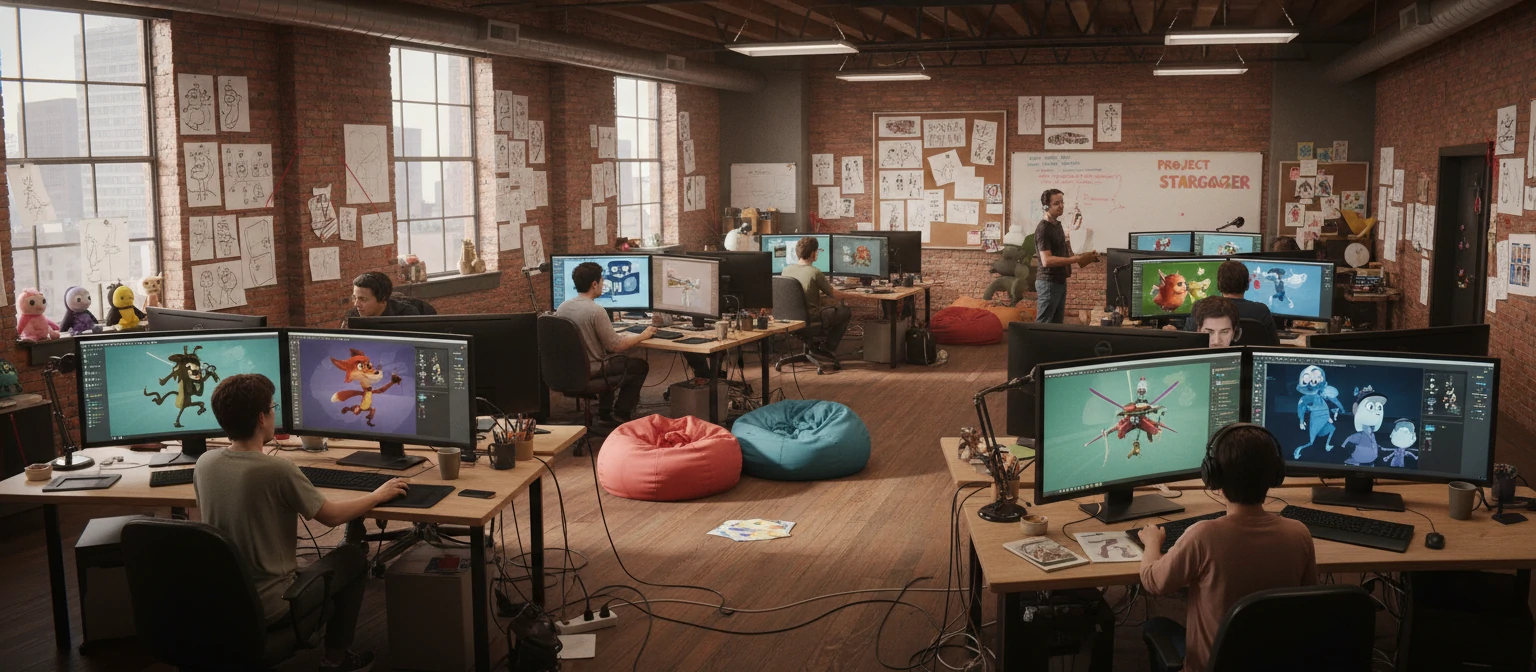
Professional animation studios provide end-to-end services from concept development through final delivery. This typically includes scriptwriting, storyboarding, character design, illustration, animation production, sound design, and voiceover recording. Some studios specialize in specific animation styles while others offer comprehensive capabilities across multiple formats.
🎨 Creative Development
Concept creation, scriptwriting, storyboarding, and visual style development.
✎ Design & Illustration
Character design, background art, asset creation, and visual identity.
🎬 Animation Production
Frame-by-frame animation, rigging, motion capture, and rendering.
🎵 Post-Production
Sound design, music, voiceover, compositing, and final delivery.
"Animation offers something no other medium can: the ability to show the impossible, explain the invisible, and create emotional connections through characters that exist purely in imagination."
— Animation Industry Veteran
The scope of animation services has expanded dramatically with technology. Today's studios might create anything from a 30-second social media ad to a feature-length film, from interactive app animations to immersive VR experiences. Understanding what's available helps you identify the right service for your specific needs.
2. Types of Animation Services
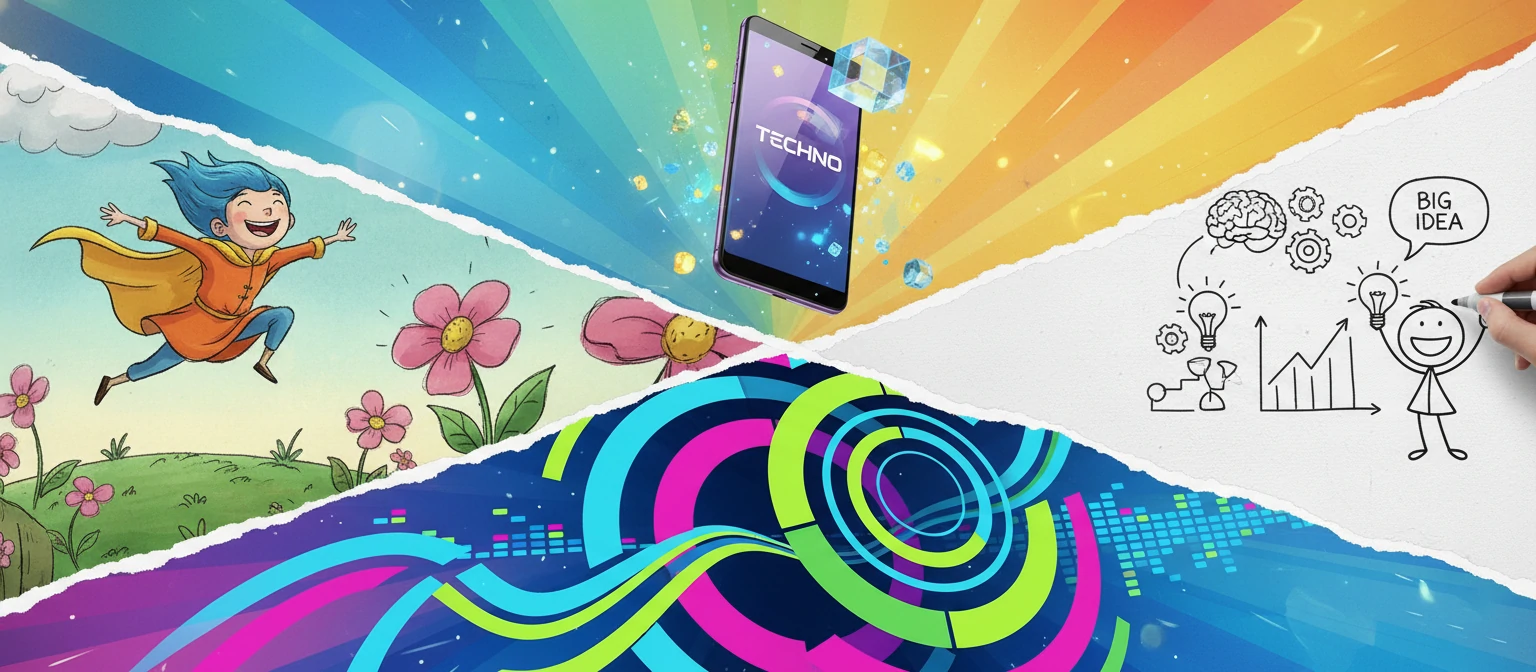
Animation encompasses numerous distinct styles and techniques, each with unique characteristics, production requirements, and ideal use cases. Understanding these differences helps you choose the approach that best serves your project goals and budget.
2D Animation
Traditional flat animation creating movement in two-dimensional space. Includes character animation, frame-by-frame, and vector-based motion.
Best for: Explainers, brand videos, social content
3D Animation
Computer-generated three-dimensional characters and environments. Offers photorealistic or stylized rendering with depth and perspective.
Best for: Product demos, architecture, games
Motion Graphics
Animated graphic design elements including typography, shapes, icons, and data visualizations. Clean, modern aesthetic.
Best for: Corporate videos, presentations, UI
Whiteboard Animation
Hand-drawn style animation simulating marker on whiteboard. Educational feel that simplifies complex topics effectively.
Best for: Training, education, how-to content
Stop Motion
Physical objects photographed frame-by-frame to create movement. Tactile, handcrafted quality with distinctive charm.
Best for: Brand storytelling, commercials
Mixed Media
Combines animation with live-action footage, photography, or multiple animation styles. Creates unique visual experiences.
Best for: Music videos, advertising, creative campaigns
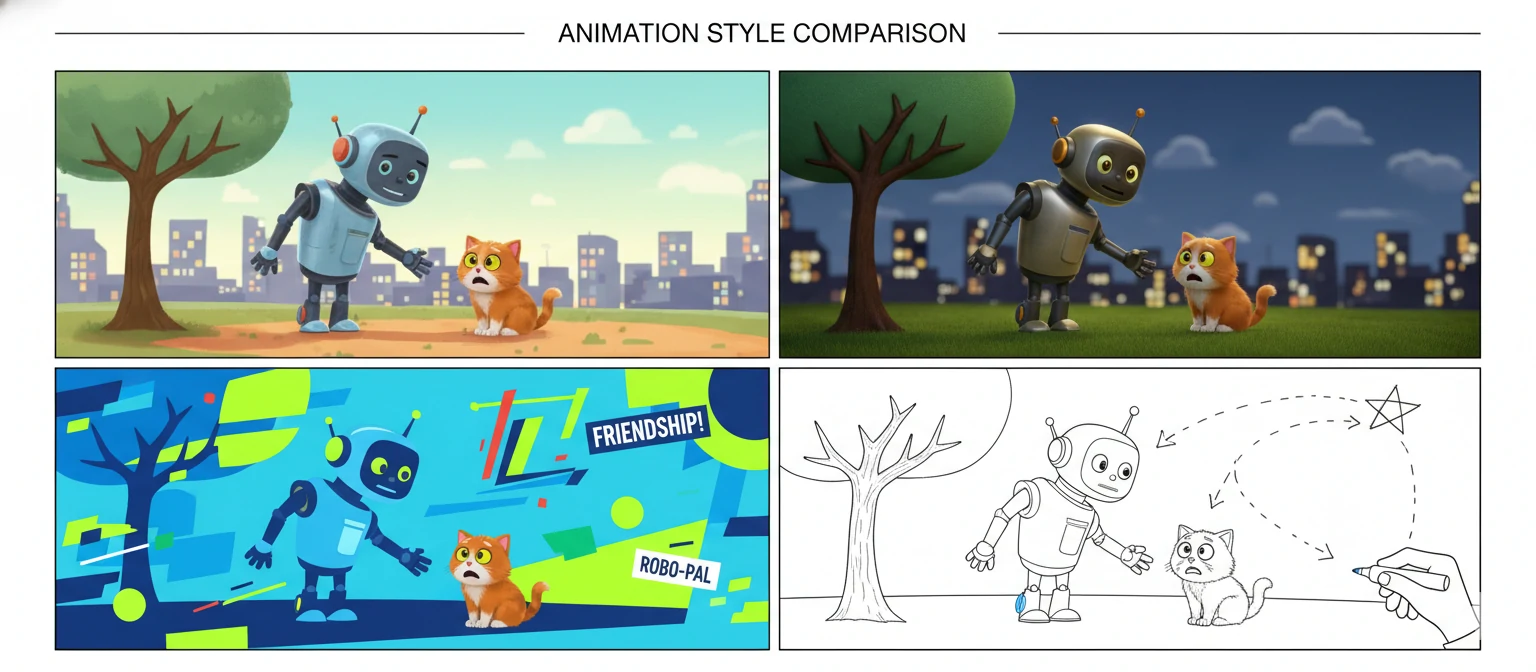
Each animation type requires different skills, software, and production timelines. 2D animation might take weeks while complex 3D projects can span months. Motion graphics often deliver fastest for business applications. Understanding these trade-offs helps set realistic expectations for your project.
3. Animation for Business Applications
Businesses use animation across virtually every communication channel and purpose. From marketing campaigns to internal training, animation solves communication challenges that other formats struggle to address.
Why Animation Works for Business
Animation outperforms other content types in several measurable ways. Studies consistently show that landing pages with explainer videos convert 20-30% better than those without. Animated content generates more social shares, higher email click-through rates, and better information retention compared to text or static images.
📈 Animation ROI Statistics
- Viewers retain 95% of a message when watched vs 10% when read
- Video on landing pages can increase conversions by 80%
- 64% of consumers purchase after watching branded social videos
- Animation reduces customer support inquiries by explaining products visually
The versatility of animation means a single project often serves multiple purposes. An explainer video might run on your homepage, in sales presentations, at trade shows, and across social platforms. This reusability improves the return on your animation investment significantly.
4. The Animation Production Process
Professional animation follows a structured production pipeline that ensures quality while managing complexity. Understanding this process helps you collaborate effectively with your animation team and set realistic expectations.
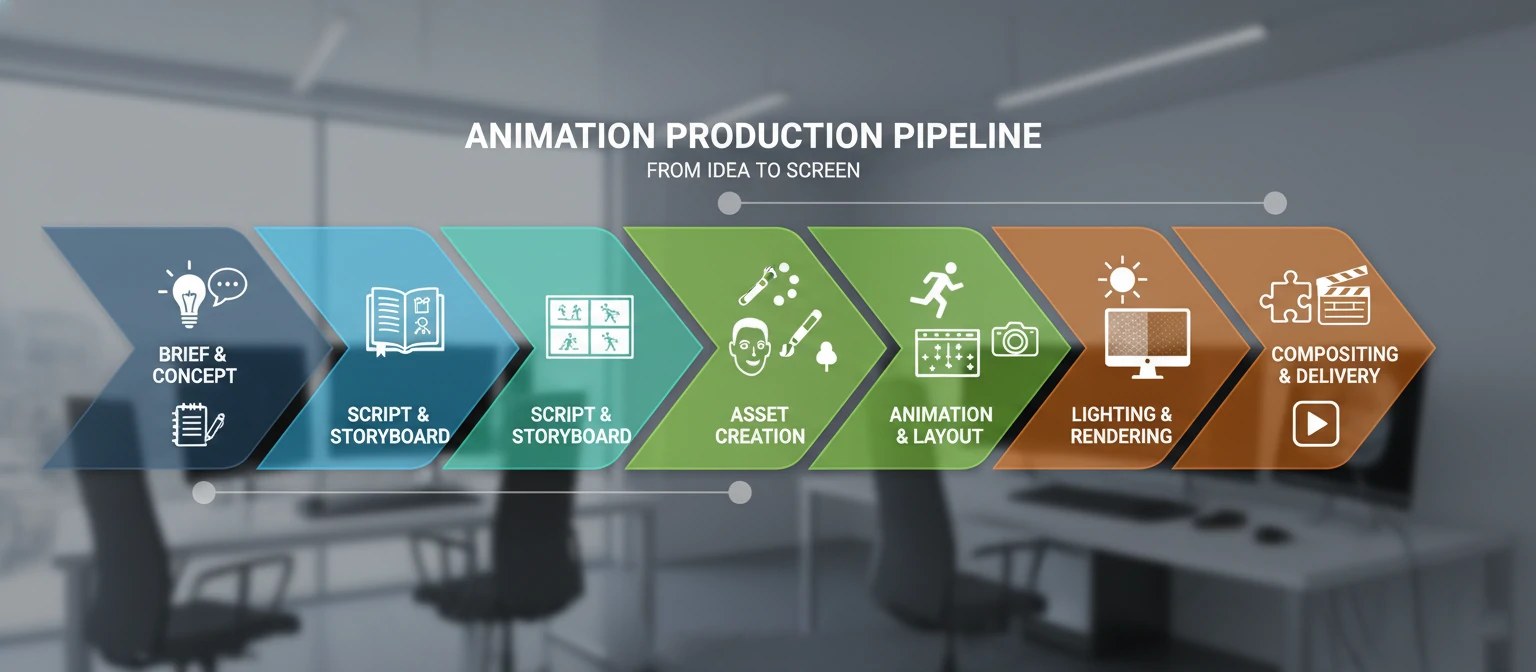
🎬 Production Pipeline Stages
Discovery & Briefing
Define objectives, audience, messaging, and creative direction. Studio gathers all necessary information to plan the project.
Script & Concept
Write the narrative script and develop the visual concept. Multiple revisions until messaging is perfect.
Storyboarding
Create frame-by-frame visual blueprint showing scenes, camera angles, and timing. Crucial approval stage.
Design & Asset Creation
Design characters, backgrounds, and visual elements. Establish style guide for consistency throughout.
Animation Production
Bring designs to life with movement. The longest phase, requiring technical skill and artistic judgment.
Sound & Post-Production
Add voiceover, music, sound effects. Color correct, composite, and prepare final deliverables.
Each stage includes client review and approval before proceeding. This iterative approach catches issues early when changes are inexpensive. Making changes during animation production costs significantly more than adjusting a storyboard, which is why thorough early-stage approvals matter.
⚠️ Timeline Reality Check
A typical 60-second explainer video takes 4-8 weeks from kickoff to delivery. Complex 3D projects may require 3-6 months. Rush timelines are possible but increase costs significantly. Plan animation projects well in advance of launch dates.
5. Understanding Animation Pricing
Animation pricing varies enormously based on style, complexity, length, and studio caliber. Understanding what drives costs helps you budget appropriately and evaluate proposals fairly.
Budget
$1K-$5K
Simple motion graphics, template-based animation, short social clips
Mid-Range
$5K-$25K
Custom 2D explainers, quality motion graphics, basic 3D
Premium
$25K-$100K
High-end 2D/3D, TV commercials, detailed character animation
What Affects Animation Cost?
Animation Style
3D costs more than 2D. Character animation costs more than motion graphics.
Length & Detail
More minutes and more complex scenes increase labor hours significantly.
Studio Location
US/UK studios cost more than Eastern Europe or Asia. Quality varies by studio, not just region.
Timeline
Rush projects require overtime and priority scheduling, adding 25-50% to cost.
💡 Getting Better Value
Request itemized quotes to understand where budget goes. Simplify backgrounds, reduce character count, or shorten length to cut costs. Some studios offer payment plans. Remember: a well-made 60-second video outperforms a mediocre 3-minute one.
6. How to Choose an Animation Studio
Selecting the right animation partner significantly impacts your project's success. Beyond comparing prices, evaluate studios on creative fit, communication style, and relevant experience.
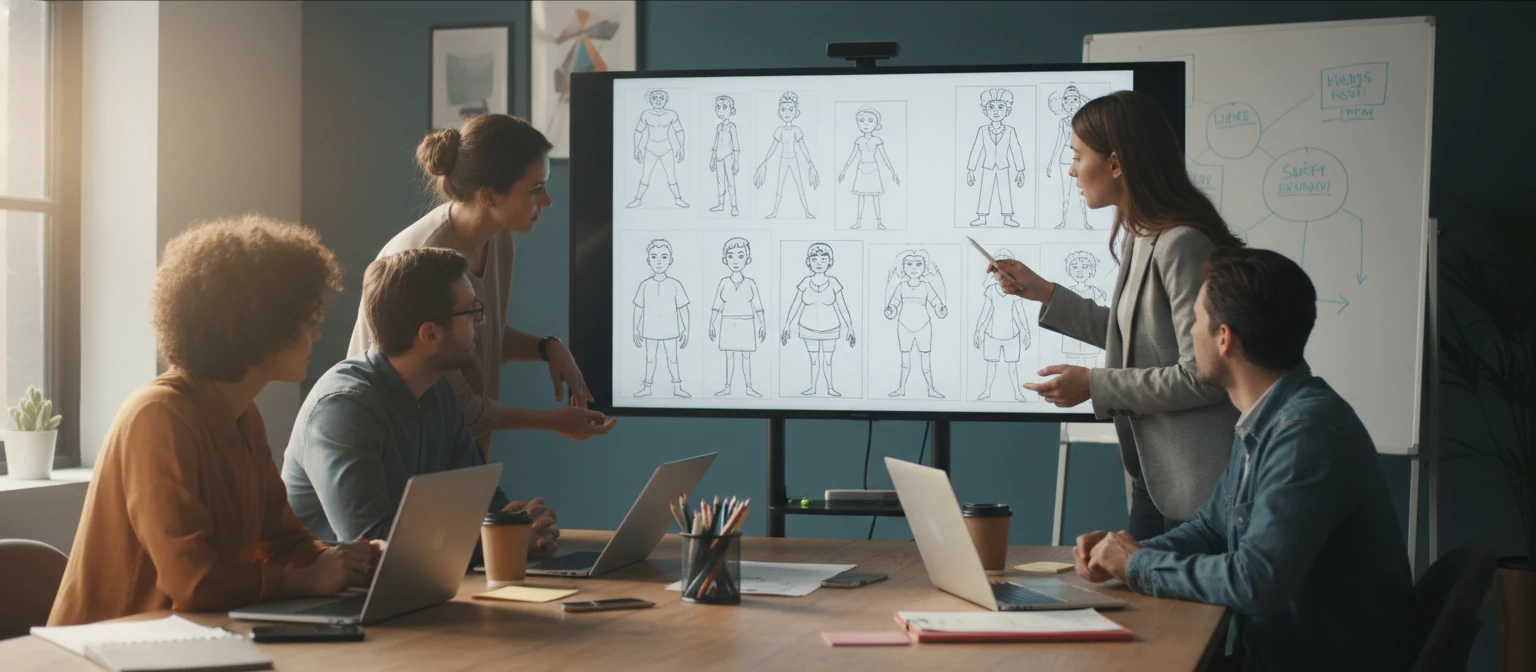
✅ Studio Evaluation Checklist
Portfolio Review
- Does their style match your vision? Look for versatility or specialization.
- Have they worked in your industry? Relevant experience reduces learning curve.
- Is the quality consistent across projects? Check multiple samples, not just highlights.
Process & Communication
- Do they have a clear production process? Ask for timeline breakdowns.
- How do they handle revisions? Understand what's included in the quote.
- Are they responsive during sales? This often predicts project communication.
Business Considerations
- What do their contracts cover? Clarify ownership, usage rights, and deliverables.
- Can they provide client references? Speaking to past clients reveals a lot.
- What's their capacity? Ensure they can prioritize your project appropriately.
🚨 Red Flags to Avoid
- Prices dramatically below market rates (often indicates outsourcing issues)
- No clear contract or vague scope definitions
- Unable to provide client references
- Pressure tactics or unrealistic promises
Consider starting with a small test project before committing to larger work. A paid concept exploration or short animation reveals working style compatibility better than any sales presentation.
7. Creating an Effective Creative Brief
A comprehensive creative brief sets your animation project up for success. The better you communicate your needs upfront, the closer the final product matches your vision without endless revisions.
📝 Essential Brief Components
Project Overview
What are you creating and why? What problem does this animation solve?
Target Audience
Who will watch this? Demographics, pain points, and what they care about.
Key Messages
What must viewers understand or feel after watching? Prioritize 2-3 points.
Style References
Share examples you like (and dislike). Visual references prevent misalignment.
Brand Guidelines
Colors, fonts, logo usage, tone of voice, and any mandatory elements.
Technical Requirements
Length, aspect ratios, formats needed, where it will be published.
Don't worry if you can't answer everything perfectly. Good studios will ask clarifying questions. But the more thought you put into the brief, the more efficient production becomes and the better aligned the final animation will be with your goals.
8. Animation Trends in 2026
Animation continuously evolves with technology and audience preferences. Understanding current trends helps you create content that feels contemporary and connects with modern viewers.
AI-Assisted Production
AI tools accelerate certain tasks like inbetweening and background generation. Human creativity still drives storytelling and quality control.
Bold, Flat Design
Clean, graphic styles with limited color palettes remain popular. Bold shapes and strong silhouettes read well on mobile screens.
Vertical & Short-Form
TikTok and Reels drive demand for vertical animation under 60 seconds. Quick hooks and fast pacing essential.
3D Blending with 2D
Hybrid styles mixing 3D renders with 2D aesthetics create distinctive looks. Cel-shaded 3D particularly trendy.
Liquid & Morphing Motion
Fluid transitions where objects seamlessly transform into others. Creates mesmerizing, shareable content.
Micro-Animations
Subtle animations in UI/UX, emails, and presentations. Small movements that enhance user experience without overwhelming.
While following trends can help content feel current, timeless storytelling and clear communication matter more than trendy techniques. Work with studios that understand when to incorporate trends versus when classic approaches serve better.
9. DIY vs Professional Animation
With accessible animation tools available, many businesses consider creating animation in-house. Understanding when DIY works and when to hire professionals helps allocate resources wisely.
✅ DIY Animation Works For
- Simple social media graphics and GIFs
- Internal presentations and training
- Quick-turnaround content experiments
- Basic motion graphics with templates
- When time investment matches skill development goals
❌ Hire Professionals For
- Customer-facing marketing content
- Complex storytelling with characters
- Brand-critical applications
- Anything requiring 3D or advanced techniques
- When quality directly impacts revenue
Popular DIY Animation Tools
The hidden cost of DIY is time. Learning animation software and creating quality content takes longer than most expect. Calculate the opportunity cost of your time versus hiring specialists who deliver faster with higher quality.
10. Maximizing Your Animation Investment
Animation represents a significant investment. Strategic planning ensures you extract maximum value from every project through smart repurposing, proper distribution, and performance optimization.
🏆 ROI Maximization Strategies
Plan for Multiple Formats
Request horizontal, vertical, and square versions during production. Costs little extra but enables multi-platform use.
Create Modular Content
Design animations in segments that can work standalone or combined. One 2-minute video becomes five social clips.
Request Source Files
Negotiate to receive project files for future modifications. Updating text or colors costs less than recreating from scratch.
Track Performance Metrics
Monitor views, engagement, conversions. Data informs future animation investments and identifies what resonates.
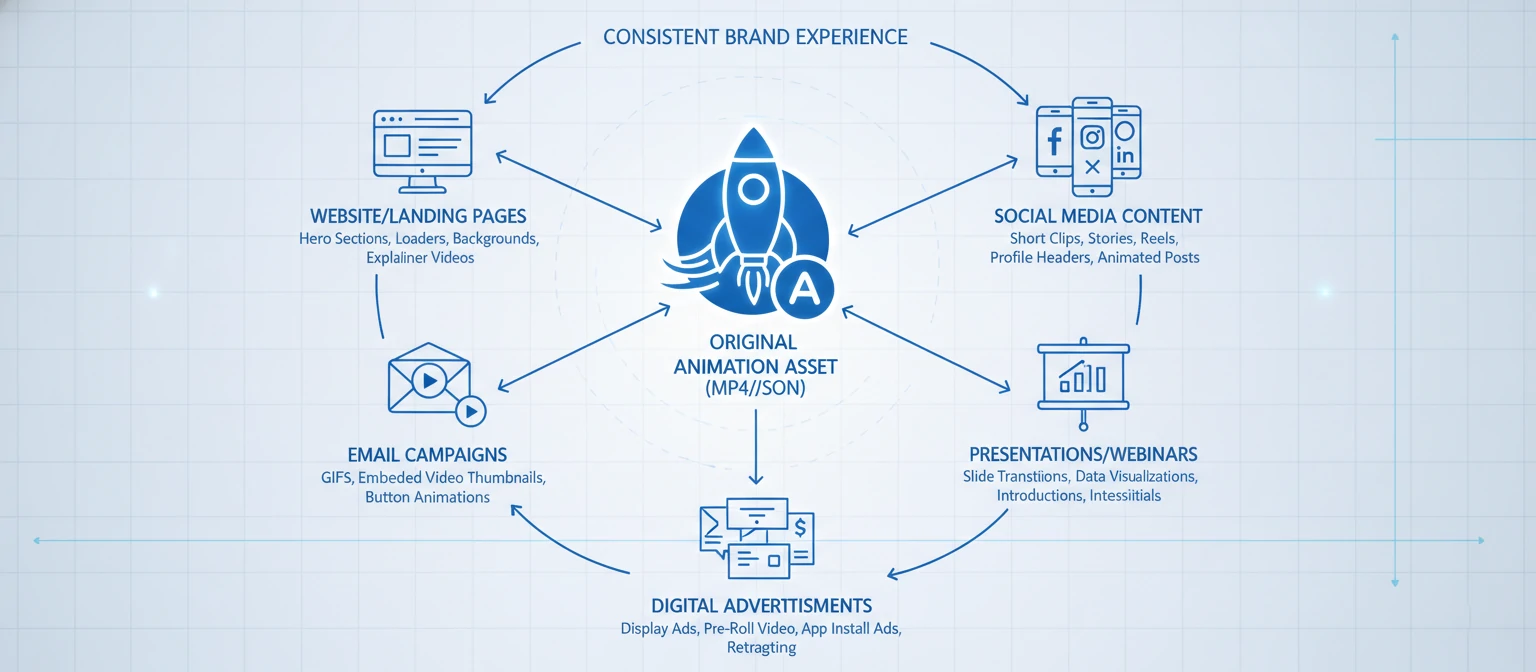
Consider animation as a long-term asset rather than a one-time expense. Well-crafted, evergreen animation can serve your marketing for years. Invest in quality upfront rather than creating disposable content that needs constant replacement.
💡 Distribution Checklist
- Website homepage and relevant product/service pages
- YouTube channel with SEO-optimized title and description
- Social media platforms with platform-specific edits
- Email marketing campaigns and signatures
- Sales presentations and proposals
- Trade shows, events, and lobby displays
❓ Frequently Asked Questions
How long does animation production take?
A typical 60-90 second explainer video takes 4-8 weeks. Simple motion graphics might complete in 2-3 weeks, while complex 3D or character animation can require 3-6 months. Timeline depends on style, complexity, revision rounds, and studio capacity.
How much should I budget for animation?
Quality animation ranges from $5,000-$25,000 for typical business explainers. Budget options exist from $1,000-$5,000, while premium productions can exceed $50,000-$100,000. Get quotes from multiple studios to understand market rates for your specific needs.
What's the best animation style for my business?
It depends on your audience, message, and brand personality. 2D character animation works well for storytelling. Motion graphics suit data-driven or corporate content. 3D excels for product visualization. Consult with studios to explore options that match your goals and budget.
Do I need to provide a script?
Not necessarily. Most animation studios offer scriptwriting as part of their services. You'll need to provide key messages, audience information, and approval at each stage. However, if you have strong internal copywriters, providing a script can reduce costs and timeline.
How many revisions are typically included?
Most studios include 2-3 revision rounds at each production stage (script, storyboard, animation). Additional revisions typically incur extra fees. Review contracts carefully to understand what's included. Providing clear, consolidated feedback minimizes revision needs.
Bringing Your Vision to Life
Animation services offer unmatched creative possibilities for businesses ready to communicate more effectively. From simple motion graphics to elaborate character-driven stories, animation can explain the complex, visualize the impossible, and create emotional connections that drive real business results.
The key to successful animation projects lies in clear communication, realistic expectations, and choosing partners whose style and process align with your needs. Invest the time in proper briefing, participate actively in review stages, and plan for strategic repurposing to maximize your animation investment.