
Discover how professional graphic design transforms businesses, what services you need, and how to find the perfect creative partner for your brand.
Table of contents
- ✨ Key Takeaways
- What Are Graphic Design Services?
- Types of Graphic Design Services
- Why Professional Graphic Design Matters
- Freelancers vs Agencies vs In-House
- Understanding Graphic Design Pricing
- How to Choose the Right Designer
- The Graphic Design Process Explained
- Working Effectively with Designers
- Graphic Design Trends for 2026
- Measuring Design ROI
- Frequently Asked Questions
In a world where first impressions happen in milliseconds, graphic design isn't just about making things look pretty—it's about communicating who you are before a single word is read. Whether you're launching a startup, refreshing an established brand, or simply need marketing materials that actually convert, understanding graphic design services is essential for business success.
But the world of graphic design can feel overwhelming. Logo design, brand identity, marketing collateral, digital assets, packaging, UI/UX—the terminology alone can make your head spin. And with options ranging from $50 Fiverr gigs to $50,000 agency retainers, how do you know what you actually need and what it should cost?
I've spent 15 years as a creative director working with everyone from scrappy startups to Fortune 500 companies. I've seen what works, what doesn't, and where businesses most often waste money or miss opportunities. In this guide, I'm breaking down everything you need to know about graphic design services—no jargon, no fluff, just practical insights that help you make smart decisions for your brand.
What Are Graphic Design Services?
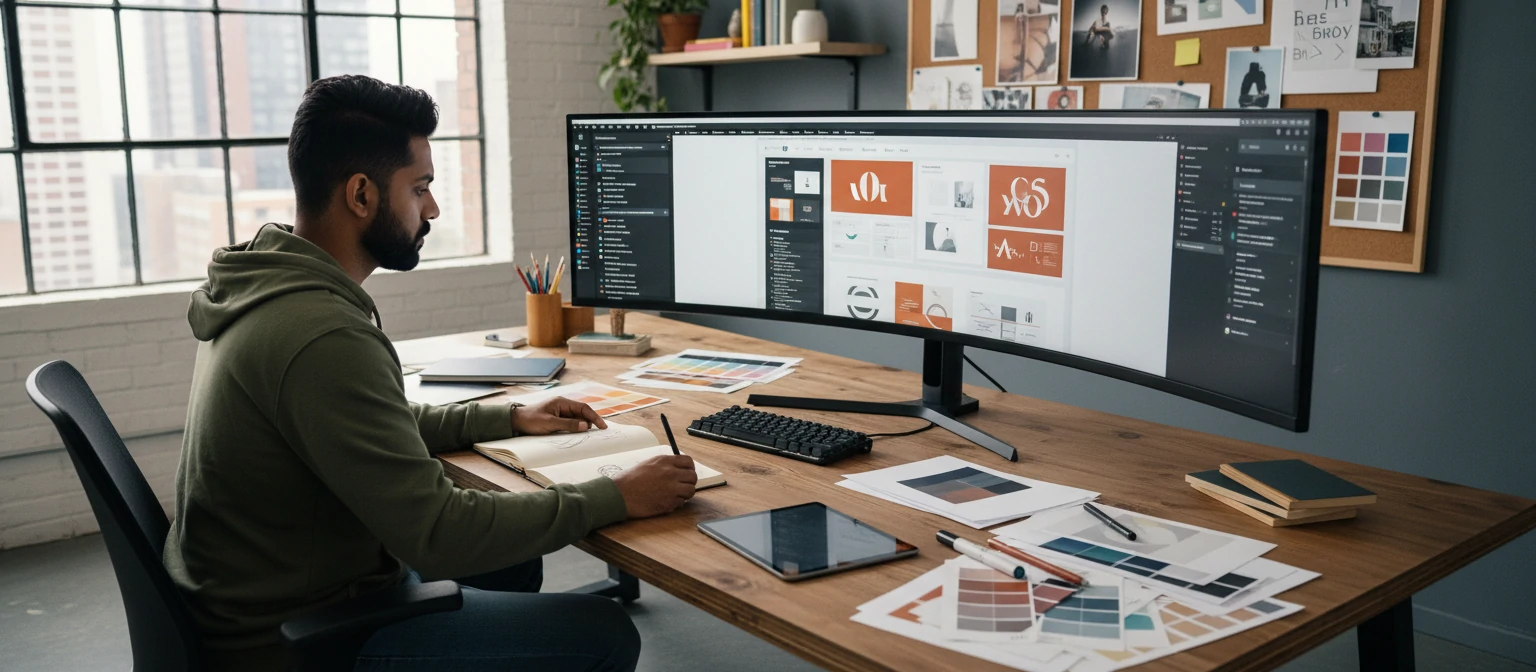
Graphic design services encompass the professional creation of visual content that communicates messages, solves problems, and shapes perceptions. It's the strategic art of combining typography, imagery, color, and layout to achieve specific business objectives—whether that's building brand recognition, driving sales, or simply making information easier to understand.
Unlike fine art, which exists for its own sake, graphic design is always in service of a goal. Every choice a designer makes—from the weight of a headline font to the shade of blue in a logo—should support a strategic purpose. Good design doesn't just catch the eye; it guides behavior and shapes how people feel about your brand.
The Core Elements of Graphic Design
Typography
Font selection & hierarchy
Color
Palette & psychology
Imagery
Photos & illustrations
Layout
Composition & space
Shape
Form & geometry
Professional graphic design services bring expertise in all these elements, understanding how they work together and how to deploy them strategically. A skilled designer knows that the rounded, friendly letters in a children's brand logo would feel completely wrong for a law firm—and why certain color combinations feel premium while others feel cheap.
Types of Graphic Design Services
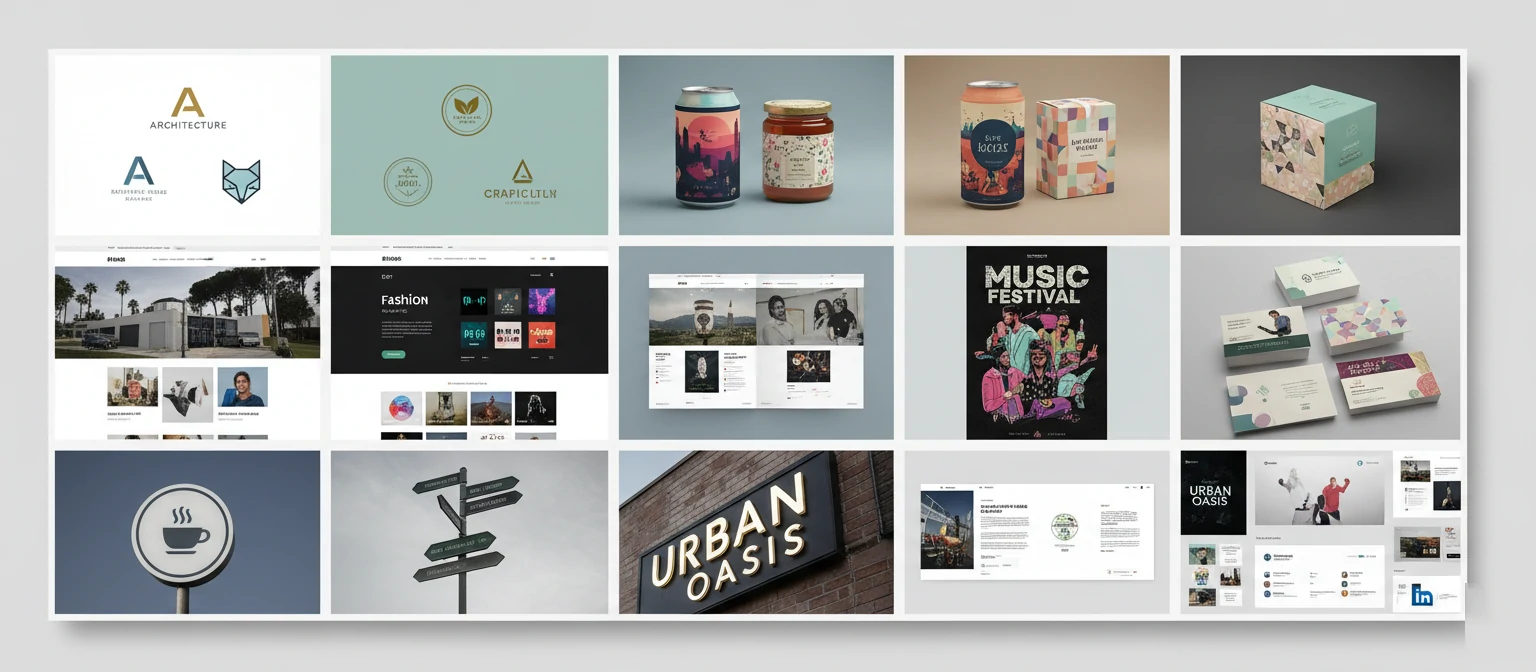
Graphic design is a broad field with many specializations. Understanding the different types helps you identify exactly what you need and find designers with the right expertise.
Brand Identity Design
The foundation of your visual presence. Includes logo design, color palettes, typography systems, and brand guidelines that ensure consistency across all touchpoints.
Marketing & Advertising Design
Visual assets designed to promote, persuade, and convert. From social media graphics to billboard campaigns, this design drives business growth.
Print & Publication Design
Traditional print materials that establish credibility and provide tangible brand experiences. Still essential despite the digital age.
Digital & UI/UX Design
Design for digital interfaces and experiences. Focuses on usability and user experience alongside visual aesthetics.
Packaging Design
The art of creating compelling product packaging that protects, informs, and sells. Critical for retail success and brand differentiation.
Environmental & Signage Design
Design that exists in physical spaces—wayfinding systems, retail environments, trade show booths, and architectural graphics.
Why Professional Graphic Design Matters
In an era of DIY design tools and AI-generated graphics, you might wonder if professional design services are worth the investment. The research is clear: they absolutely are, and here's why.
94%
of first impressions are design-related
23%
revenue increase from consistent branding
75%
judge credibility based on design
The Business Case for Professional Design
Commands Premium Pricing
Well-designed products and services feel more valuable. Studies show consumers are willing to pay more for products with superior packaging and presentation. Design justifies your prices.
Builds Trust and Credibility
Amateur design signals amateur business. Professional visuals tell customers you're established, reliable, and worth their money. First impressions matter enormously.
Creates Memorable Recognition
Distinctive design makes your brand stick in people's minds. Think of the world's most valuable brands—they're all instantly recognizable through their visual identity.
Improves Marketing Effectiveness
Good design increases engagement rates, click-throughs, and conversions. Your marketing budget works harder when the creative is compelling and on-brand.
⚠️ The Hidden Cost of Bad Design: While cheap design seems like savings, it often costs more in the long run. Rebranding after a failed identity, low conversion rates from poor marketing materials, and lost credibility with customers add up quickly. Investing appropriately from the start is usually the smarter financial choice.
Freelancers vs Agencies vs In-House
One of the first decisions you'll make is who to hire. Each option has distinct advantages, and the right choice depends on your needs, budget, and working style.
When to Hire a Freelancer
- Specific, defined projects
- Budget constraints
- Need specialized expertise
- Flexible timelines
- Prefer direct communication
When to Hire an Agency
- Large, multi-faceted projects
- Need strategy + execution
- Require diverse skill sets
- Want reliability guarantees
- Planning long-term partnership
When to Hire In-House
- Constant design needs
- Quick turnaround essential
- Proprietary/confidential work
- Deep brand immersion needed
- Budget for full-time salary
Understanding Graphic Design Pricing
Design pricing can feel like a black box. Quotes for seemingly similar work vary wildly, and it's hard to know if you're getting a fair deal. Let's demystify how designers price their work.
Hourly Rate
$25-$300+
Per hour. Best for ongoing work or when scope is unclear. Junior designers on the low end, senior/specialized on the high end.
Project-Based
Fixed Fee
Most common for defined deliverables. Clear scope = clear price. Reduces risk for both parties.
Retainer
Monthly
Reserved hours each month. Best for ongoing needs. Usually offers better rates than hourly.
Typical Project Costs
💡 Pro Tip: Price ranges are wide because quality, experience, and scope vary enormously. A $500 logo from a mid-level freelancer might serve a small business perfectly, while a Fortune 500 company needs the $50,000+ strategic branding process from a top agency. Match your investment to your business stage and goals.
How to Choose the Right Designer
Finding the right designer is part art, part science. Here's a systematic approach to vetting candidates and making a smart choice.
The Evaluation Framework
Review Portfolio Critically
Look for work relevant to your needs. Assess not just aesthetics but problem-solving. Do they show range or rely on one style? Read case studies if available—process matters as much as results.
Check References
Ask for and actually contact references. Inquire about communication, timeliness, responsiveness to feedback, and whether they'd hire the designer again. Past behavior predicts future behavior.
Assess Communication
Pay attention during the sales process. Do they listen or just talk? Do they ask smart questions about your business? Are they responsive and professional? This preview predicts your working relationship.
Understand Their Process
Professional designers have defined processes. Ask about phases, deliverables, revision policies, and what they need from you. Vague answers suggest they're making it up as they go.
Clarify Ownership and Rights
Ensure the contract clearly states you'll own all final work. Understand what file formats you'll receive. Ask about source files and any limitations on use.

The Graphic Design Process Explained
Understanding how professional design projects unfold helps you prepare and participate effectively. While specific steps vary, most follow a similar framework.
Discovery & Brief
Initial conversations to understand your business, goals, audience, and preferences. The designer gathers information to create a creative brief that guides the entire project. This is the foundation—invest time here.
Research & Strategy
Designers research your industry, competitors, and target audience. They analyze trends and identify opportunities for differentiation. Strategic thinking happens before pixels are pushed.
Concept Development
Initial creative exploration producing multiple directions. Designers sketch, experiment, and develop distinct concepts. You'll typically see 2-3 different approaches to evaluate.
Refinement & Revision
Based on your feedback, the chosen direction is refined. Details are polished, alternatives are explored, and the design is perfected. Clear, constructive feedback speeds this phase.
Finalization & Delivery
Final files are prepared in all necessary formats for various uses—print, web, social media. You'll receive source files, usage guidelines, and sometimes brand documentation.
Working Effectively with Designers
The client-designer relationship is a collaboration, and how you participate significantly impacts the quality of results. Here's how to be a great client.
✅ Do This
- Provide clear, detailed briefs
- Share examples of design you like (and don't)
- Give specific, actionable feedback
- Respect agreed timelines
- Consolidate feedback from stakeholders
- Trust their expertise
❌ Avoid This
- "Make it pop" and other vague feedback
- Design by committee (too many opinions)
- Scope creep without budget adjustment
- Changing direction mid-project
- Delayed responses that stall progress
- Dictating solutions instead of problems
The Art of Giving Feedback
❌ INSTEAD OF:
"I don't like it"
✅ SAY:
"The colors feel too corporate for our playful brand personality"
❌ INSTEAD OF:
"Make the logo bigger"
✅ SAY:
"The logo needs more prominence—it's getting lost among other elements"
❌ INSTEAD OF:
"Can you try something else?"
✅ SAY:
"This feels too traditional. Could we explore more modern, minimalist directions?"
Graphic Design Trends for 2026
Staying current with design trends helps you communicate with designers and ensure your brand feels fresh. Here's what's shaping the visual landscape this year.
Measuring Design ROI
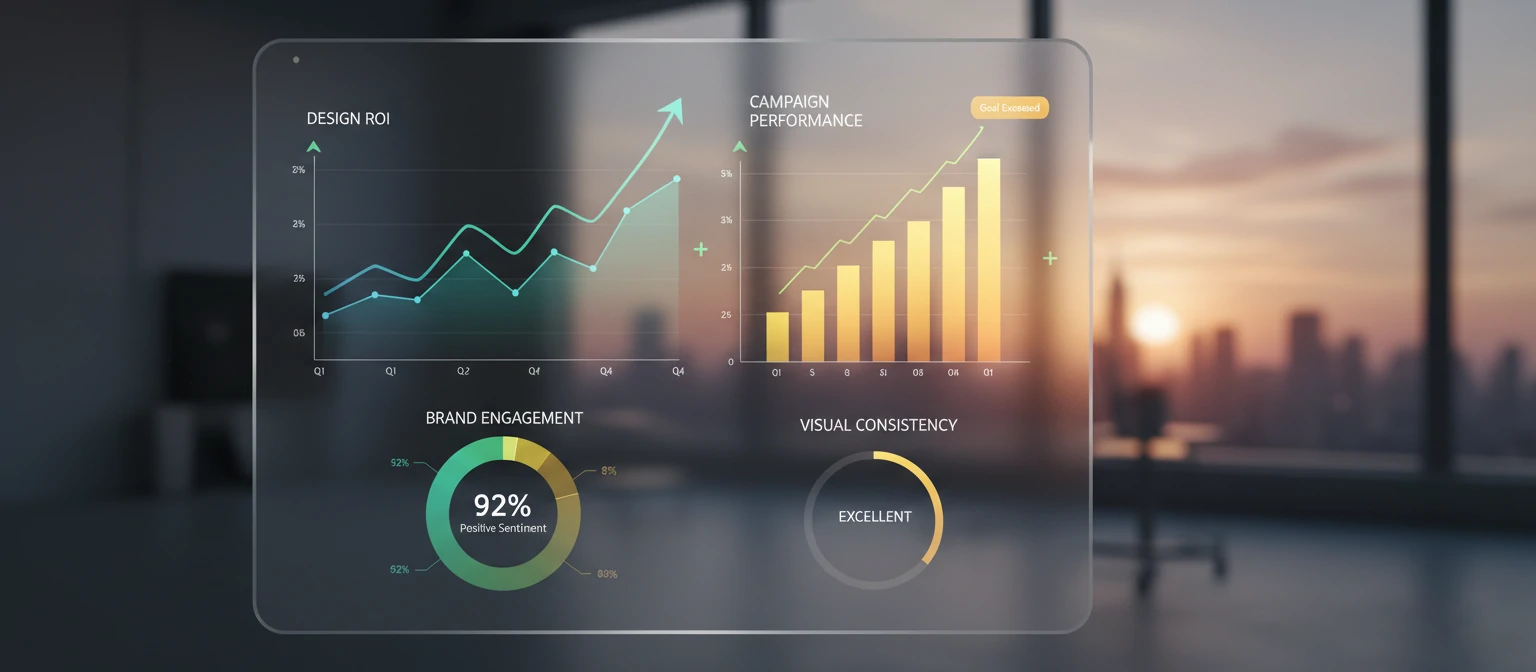
Design is often seen as subjective, but its impact can and should be measured. Here's how to evaluate whether your design investment is paying off.
Key Metrics to Track
Conversion Rates
Sales, signups, and desired actions
Brand Recognition
Awareness surveys and recall tests
Engagement
Clicks, shares, time on page
Customer Perception
Surveys and feedback quality
Remember that design ROI isn't always immediate. Brand building is a long game. Track metrics over time and look for trends rather than expecting overnight transformations. The companies with the strongest brands invested consistently over years.
Frequently Asked Questions
How much should a small business spend on graphic design?
Small businesses should budget 5-15% of their marketing budget for design. For a new business, investing $2,500-$10,000 in initial brand identity is reasonable. Ongoing design needs (social media, marketing materials) might run $500-$2,000 monthly depending on volume.
What's included in a brand identity package?
A typical brand identity package includes logo design (primary + variations), color palette, typography system, and basic brand guidelines. More comprehensive packages add business card design, letterhead, social media templates, and detailed usage guidelines.
Can I use Canva instead of hiring a designer?
Canva is great for quick, internal materials when budget is extremely limited. However, it can't replace professional design for brand identity, complex projects, or anything requiring strategic thinking. The template-based approach often results in generic-looking work that doesn't differentiate your brand.
How many revisions should I expect?
Most projects include 2-3 rounds of revisions in the base price. Quality designers front-load the discovery process to reduce the need for major revisions. If you're consistently needing more revisions, it often indicates unclear briefs or scope changes rather than designer issues.
What files should I receive after a design project?
At minimum: high-resolution files for print (PDF, EPS, or AI) and web-optimized files (PNG, JPG, SVG). For logos, you should receive multiple formats and color variations (full color, black, white, reversed). Always request source/working files (AI, PSD, INDD) so future designers can edit.
Olivia Chen
Creative Director & Brand Strategist
Olivia has led creative teams for 15 years, working with brands from early-stage startups to Fortune 500 companies. She's built brand identities for companies that have gone on to IPO, win design awards, and become household names. When not directing creative work, Olivia mentors emerging designers and speaks at design conferences about the intersection of creativity and business strategy.