
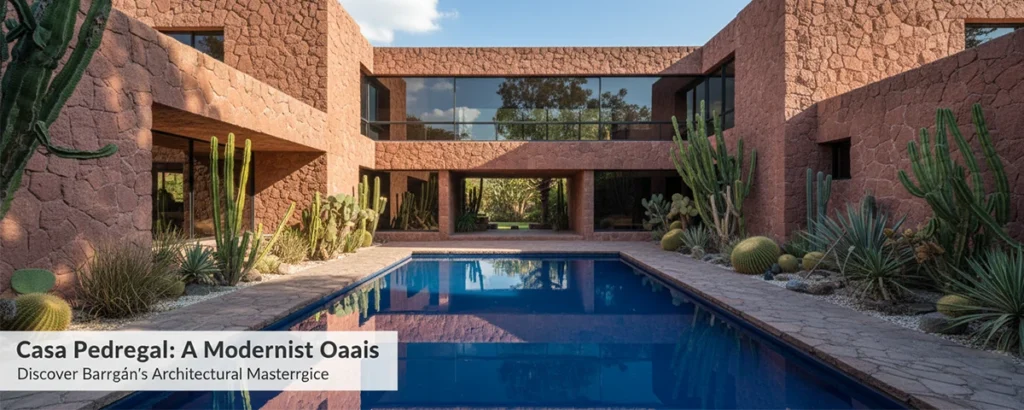
Where volcanic rock meets vibrant pink walls. A journey into Luis Barragán's "Emotional Architecture" and the modernist secret hidden in the lava fields.
"I don't divide architecture, landscape, and gardening; to me they are one." — Luis Barragán
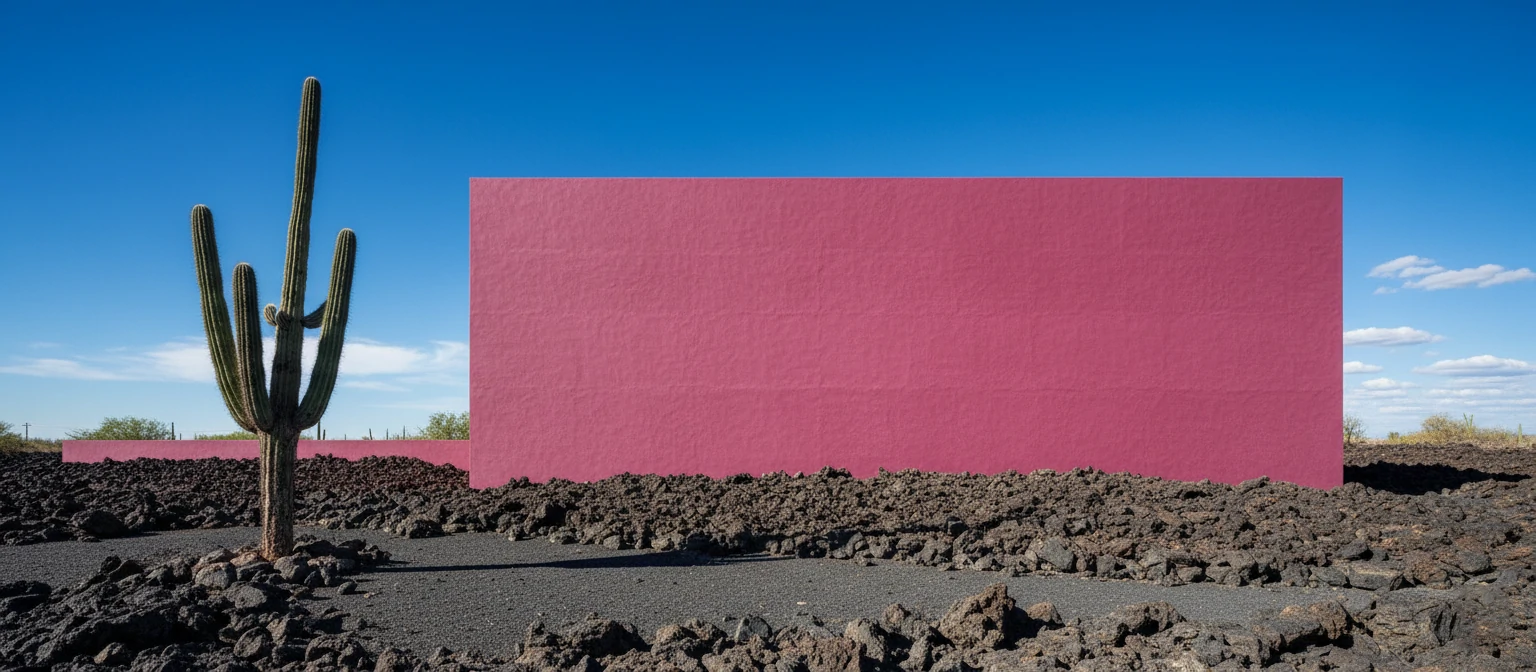
In the mid-20th century, while the rest of the world was obsessed with the cold steel and glass of International Style modernism, a Mexican architect was looking at the ground beneath his feet. Specifically, he was looking at El Pedregal—a hostile, jagged landscape formed by the lava of the Xitle volcano 1,600 years ago.
Casa Pedregal (also known as Casa Prieto López) is the result of that vision. It is not just a house; it is a fortress of solitude that harmonizes the brutality of volcanic rock with the softness of light, color, and silence. This is the story of how Luis Barragán turned a wasteland into an oasis.
The Gardens of the Tiger
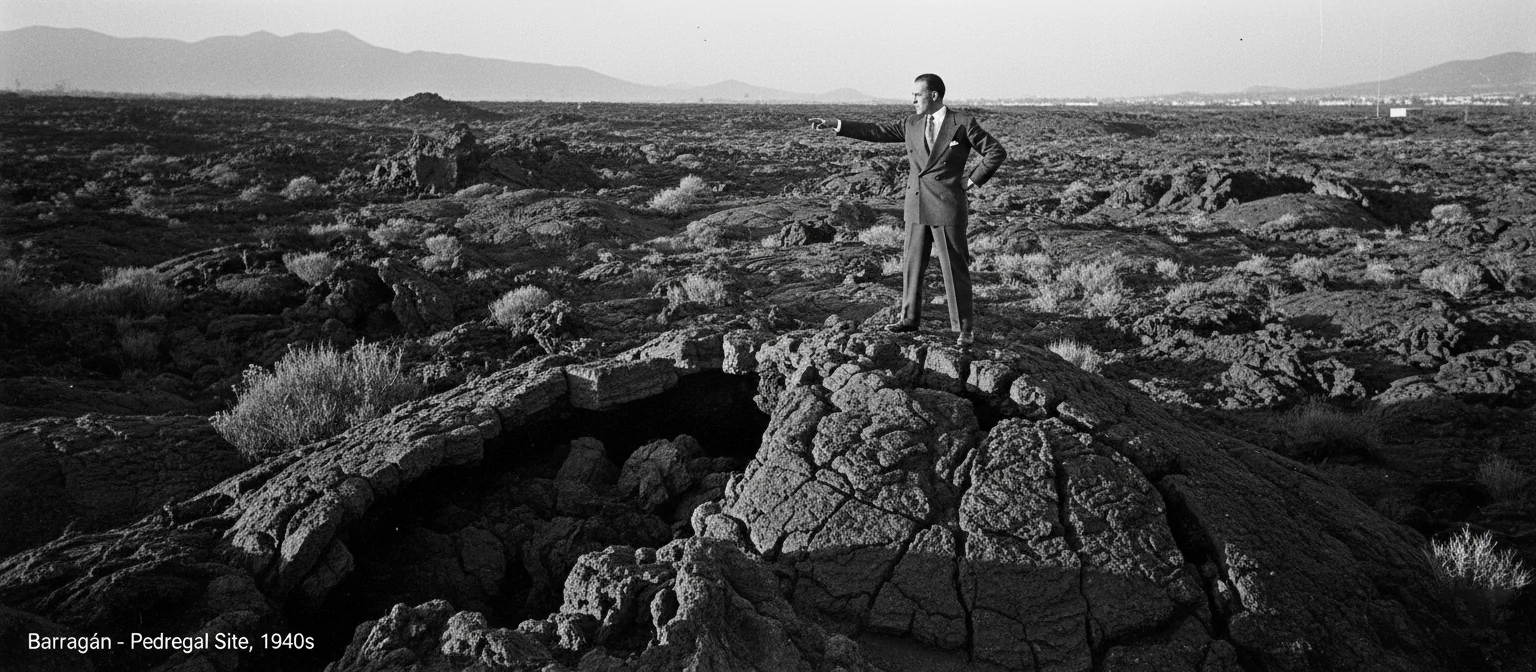
Before 1945, the Pedregal de San Ángel was considered a cursed place. It was a vast expanse of dried lava, inhabited only by snakes and criminals. Developers saw it as useless.
Barragán saw potential. He bought 865 acres of this "useless" land. His idea was radical: Don't bulldoze the lava. Build around it. He envisioned a modernist utopia where houses would float like islands in a sea of black stone.
Key Principles
- Respect the Site: The architecture bows to the landscape, not the other way around.
- Privacy as Luxury: High walls protect the inhabitants from the street. The house turns inward.
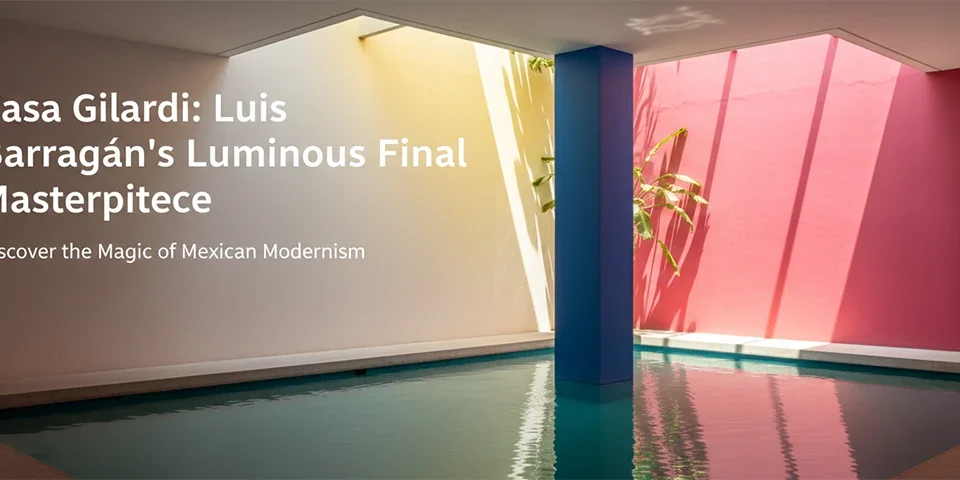
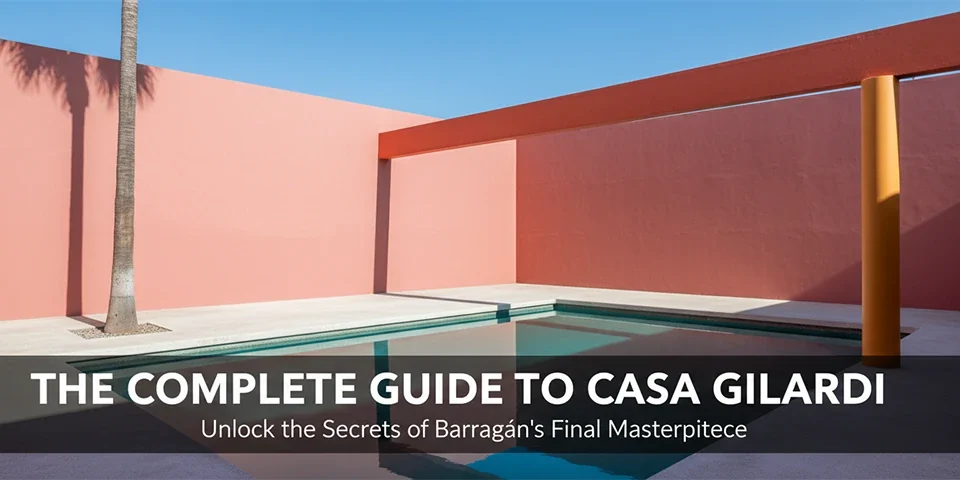
- Color as Structure: Walls are not painted; they are color. Pink, yellow, and rust interact with light to create volume.
Inside the Fortress
The Entrance Hall
The transition from the street is sudden. You pass through a modest door into a hall bathed in filtered yellow light. The outside world disappears instantly. The floor is volcanic stone, connecting the interior to the exterior geology.
The Double-Height Living Room
The heart of the home. Massive wooden beams traverse the ceiling. A giant picture window frames the garden like a painting. It is minimal but warm—a rejection of "machine" modernism.
The Pool & Patio
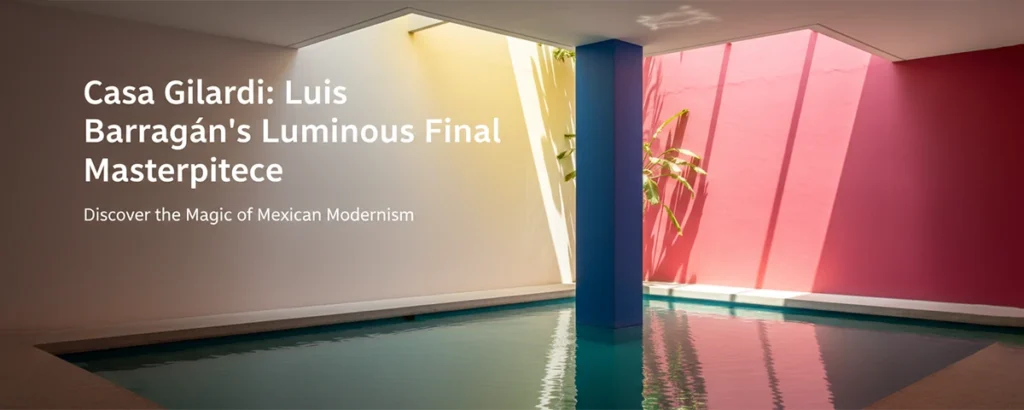
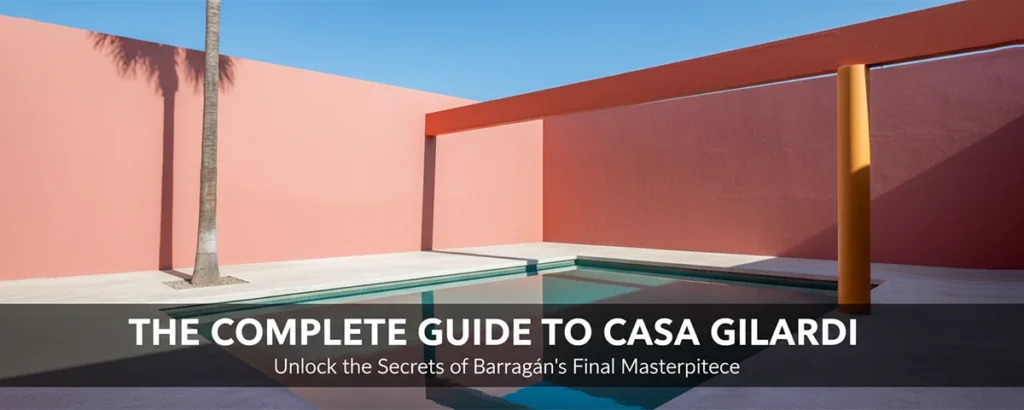
Not just a pool, but a water mirror. The water is often dark to reflect the sky and architecture. It sits directly against the natural lava formations, creating a dialogue between the fluid and the solid.
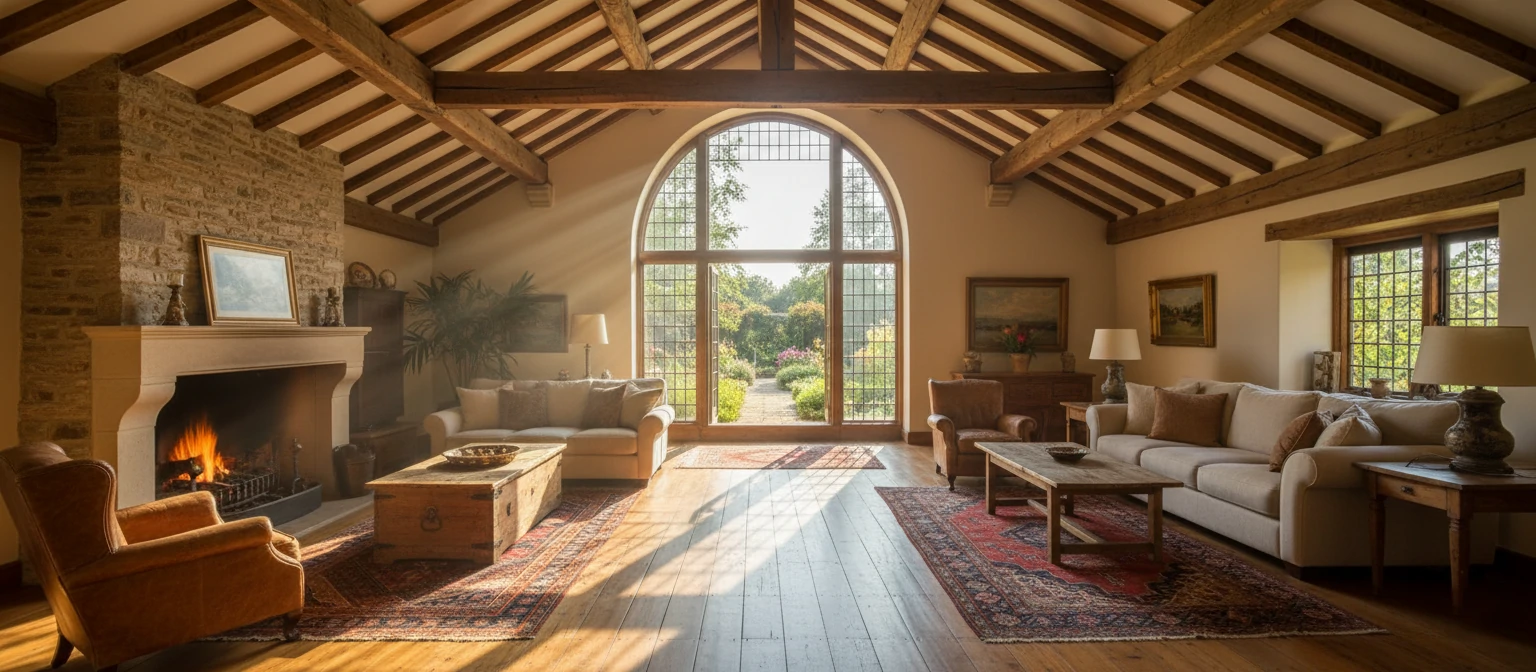
"Emotional Architecture"
Barragán hated the term "functionalism." He believed houses should be machines for living, not just existing. He coined the term "Emotional Architecture" to describe spaces that provoke feeling: serenity, silence, intimacy, and awe.
At Casa Pedregal, this is achieved through light. He treats sunlight as a building material. He uses hidden windows to wash walls with light, creating a spiritual atmosphere that changes as the day progresses.
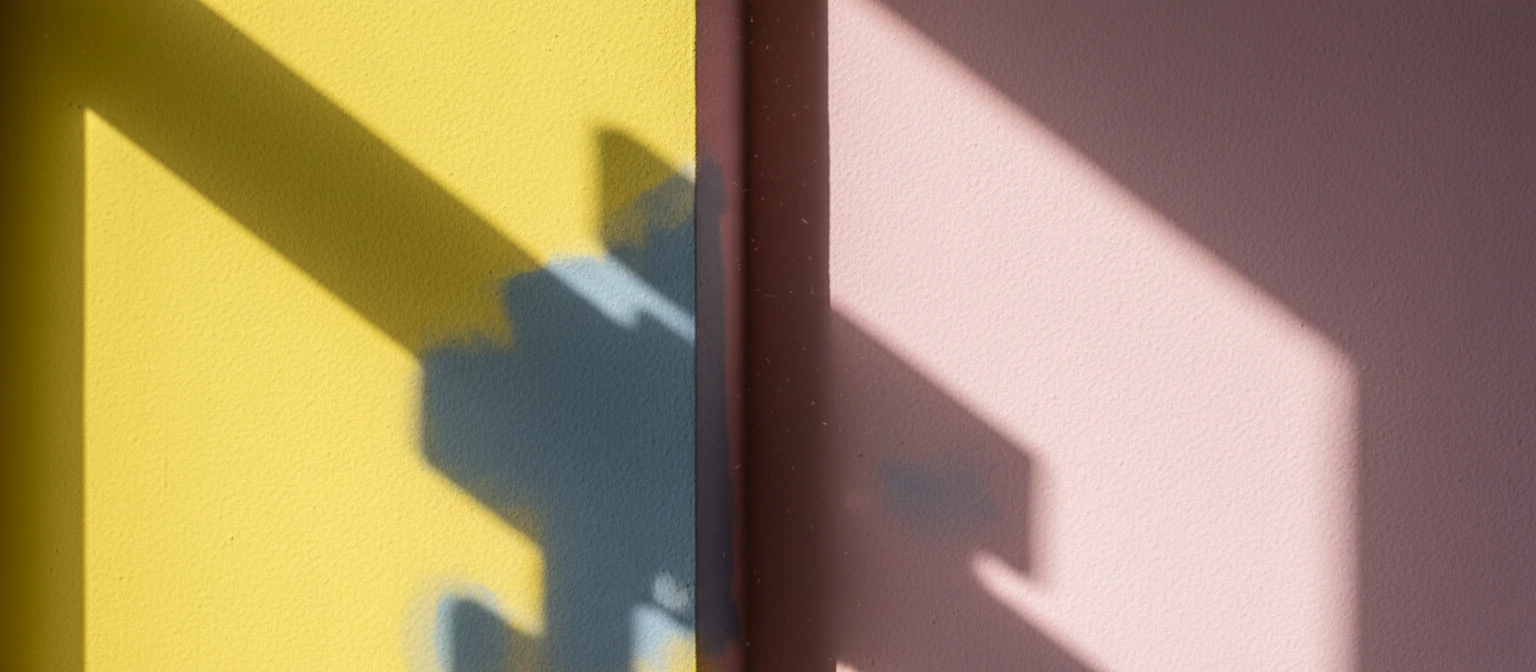
The Resurrection (~2014)
For years, Casa Pedregal fell into disrepair. The original furniture was sold; the colors faded. Then, César Cervantes (a collector and businessman) bought it.
"I didn't buy a house. I adopted a masterpiece."
Cervantes spent years meticulously restoring it. He hunted down the original furniture designed by Clara Porset. He scraped away layers of paint to find the exact pigments Barragán used. Today, it stands exactly as it did in 1950.
Visiting the Sanctuary
Casa Pedregal is a private residence, but it is open for limited tours. It is a pilgrimage destination for architects around the world.