
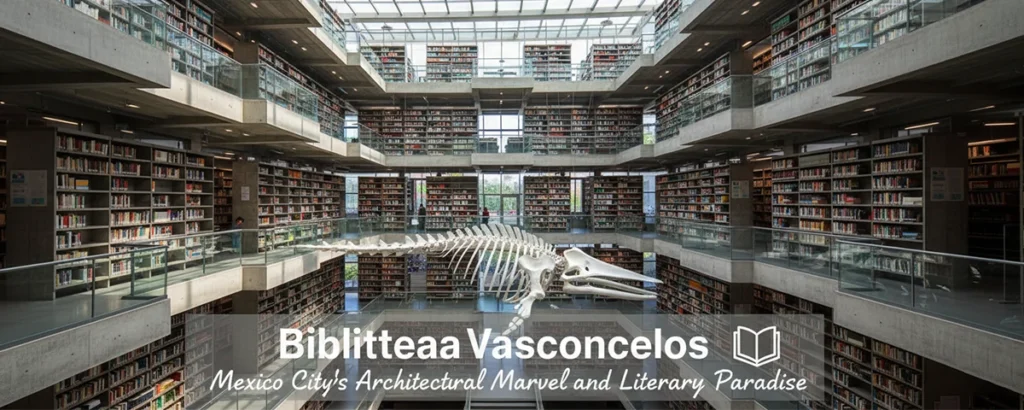
Explore one of the world's most breathtaking libraries—a soaring cathedral of books that has captivated visitors and architects alike since 2006.
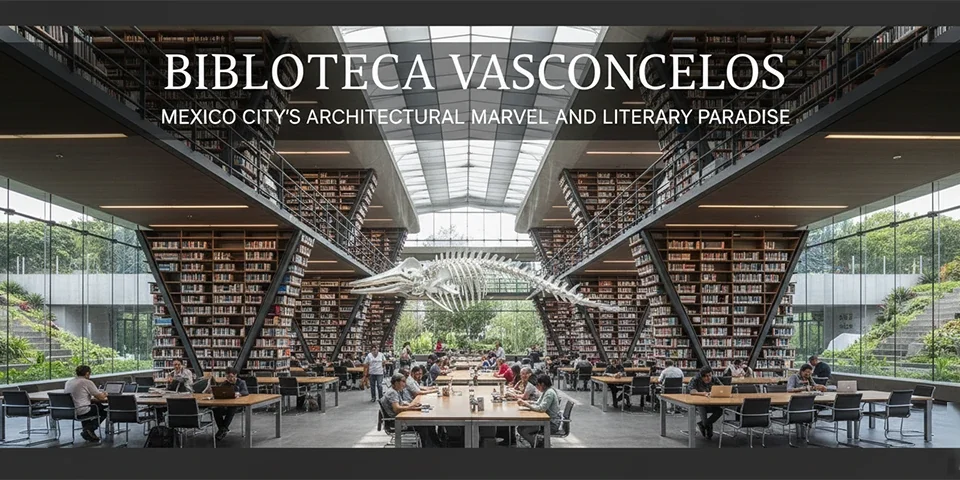
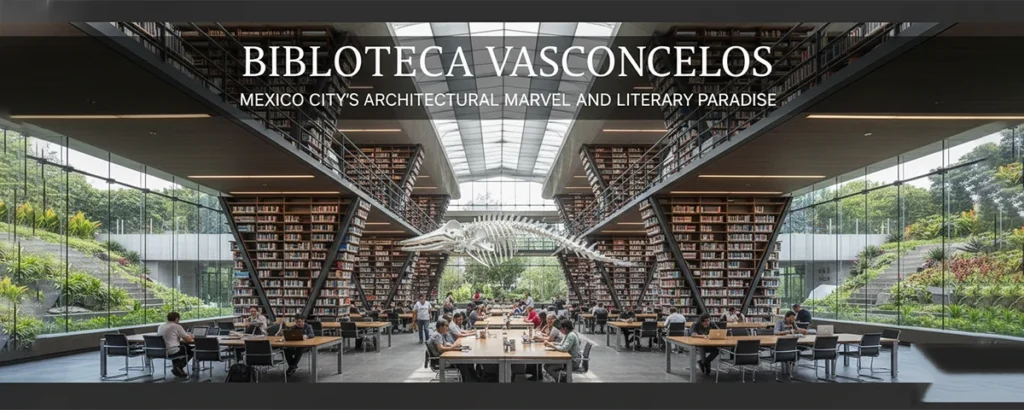
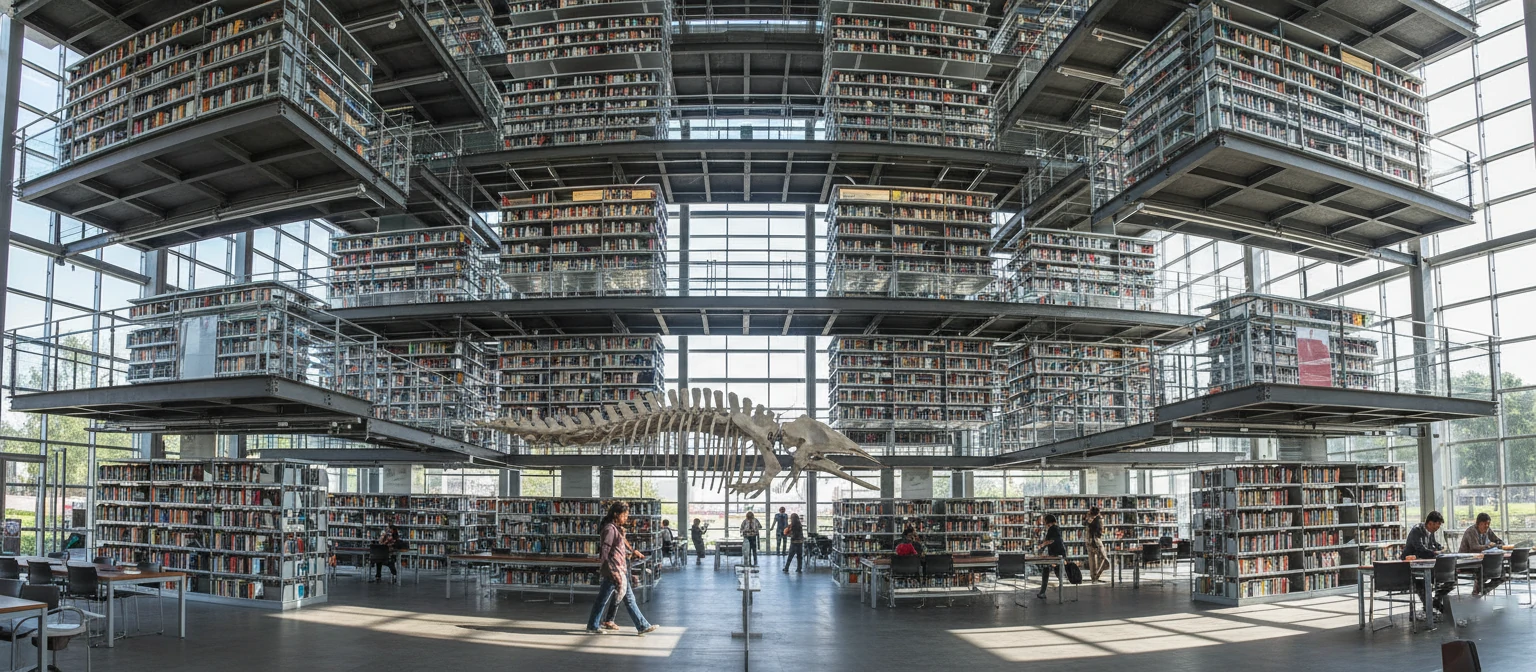
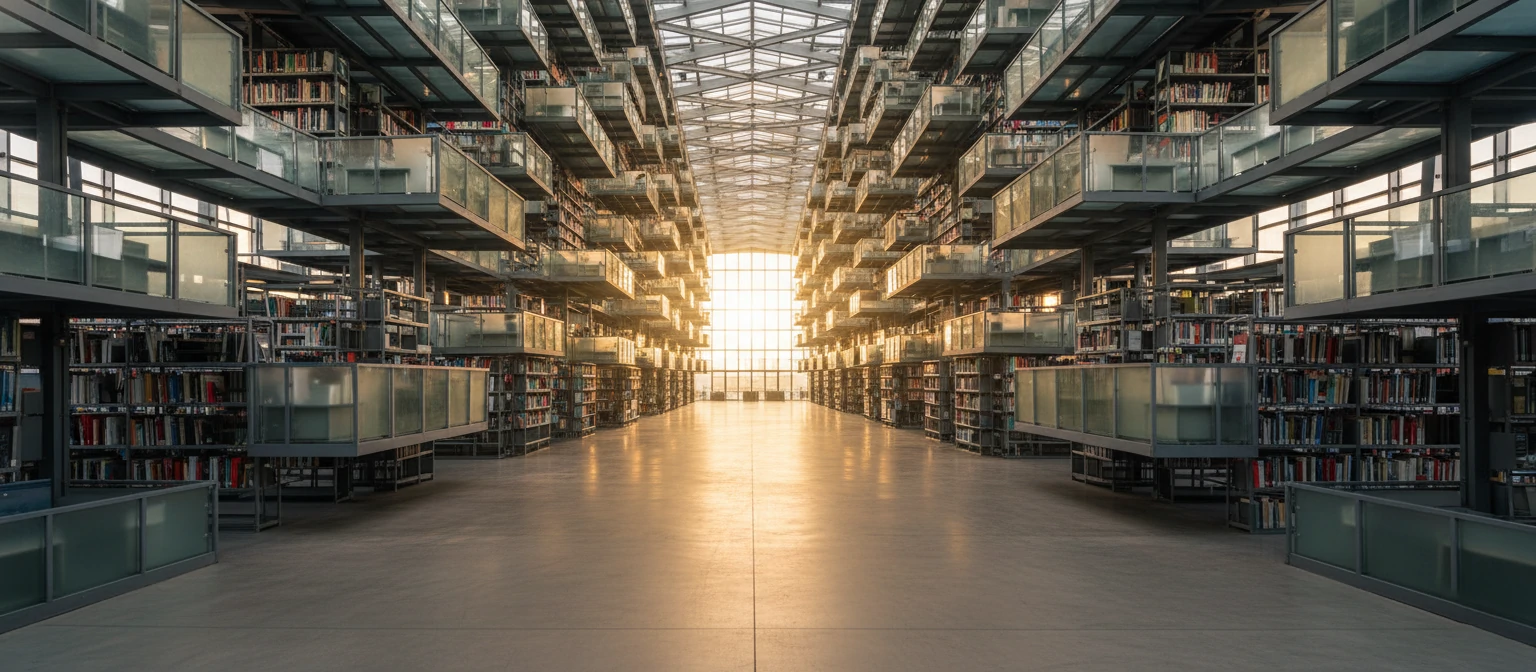
Standing in the center of Biblioteca Vasconcelos for the first time is an almost spiritual experience. Above you, translucent floors seem to float in mid-air, stacked with books that stretch toward a distant ceiling. Light pours through the massive glass walls, illuminating what feels less like a library and more like a temple dedicated to human knowledge.
Named after José Vasconcelos—the visionary Mexican intellectual who democratized education in post-revolutionary Mexico—this library is far more than a repository of books. It's a bold architectural statement, a beloved community space, and one of the most photogenic buildings in the Americas. Since opening in 2006, it has become an essential stop for anyone visiting Mexico City.
I've visited Biblioteca Vasconcelos dozens of times over the past decade, first as an awestruck tourist, later as a resident who used it as my personal office and thinking space. In this comprehensive guide, I'll share everything you need to know to make the most of your visit—from practical logistics to the hidden corners that most tourists never discover.
History and Vision
Biblioteca Vasconcelos was born from an ambitious vision: to create a "mega-library" that would serve as a cultural beacon for Mexico and democratize access to knowledge. The project was championed by President Vicente Fox's administration as part of a broader effort to revitalize Mexico's public institutions.
The library is named after José Vasconcelos (1882-1959), one of Mexico's most influential intellectuals. As Secretary of Public Education in the 1920s, Vasconcelos launched massive literacy campaigns, commissioned the famous murals by Diego Rivera and others, and championed the idea that culture and education were fundamental rights, not privileges for the elite.
Key Milestones
2004
Construction begins under architect Alberto Kalach. The ambitious design calls for transparent shelving that appears to float in space.
2006
Grand opening on May 16. The library immediately becomes a sensation, drawing architecture enthusiasts from around the world.
2008
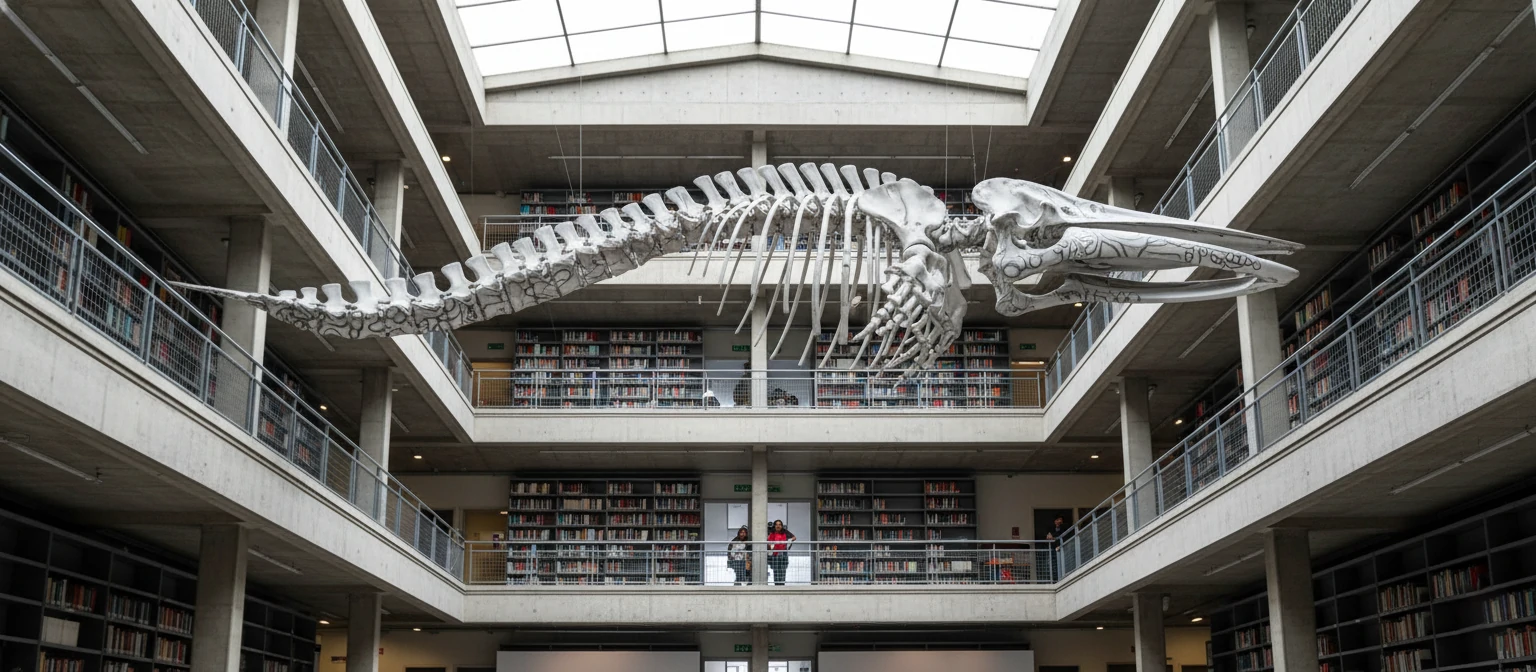
Gabriel Orozco's "Mátrix Móvil" sculpture is installed—a painted gray whale skeleton that becomes the library's iconic centerpiece.
Today
Serves over 2 million visitors annually, functioning as a beloved community space, study center, and tourist attraction.
The choice to build on the site of a former railway station in the Buenavista neighborhood was deliberate. This historically working-class area had been underserved, and the library was intended to anchor urban renewal while providing resources to communities that needed them most.
The Stunning Architecture
Designed by Mexican architect Alberto Kalach and his firm TAX (Taller de Arquitectura X), Biblioteca Vasconcelos is a masterpiece of contemporary architecture that has drawn comparisons to everything from a spaceship to a cathedral of knowledge.
The building spans 38,000 square meters (409,000 square feet) and rises to a height that allows for five levels of transparent book stacks. But numbers don't capture the magic. What makes this library extraordinary is how it uses light, space, and transparency to create an almost otherworldly reading environment.
The Steel Structure
The building's skeleton is a massive steel frame that supports the suspended bookshelves. The structure was engineered to be earthquake-resistant—essential in seismically active Mexico City.
Natural Light Design
Enormous glass walls flood the interior with natural light. The transparent floors allow light to penetrate to all levels, reducing the need for artificial lighting and creating a connection to the outdoors.
Floating Bookshelves
The signature feature: translucent shelving units suspended from the ceiling create the illusion of books floating in space. Walking through feels like navigating a three-dimensional library from a science fiction film.
Indoor-Outdoor Flow
The building seamlessly integrates with the surrounding botanical garden. Large openings blur the boundary between interior and exterior, with plants visible through the walls.
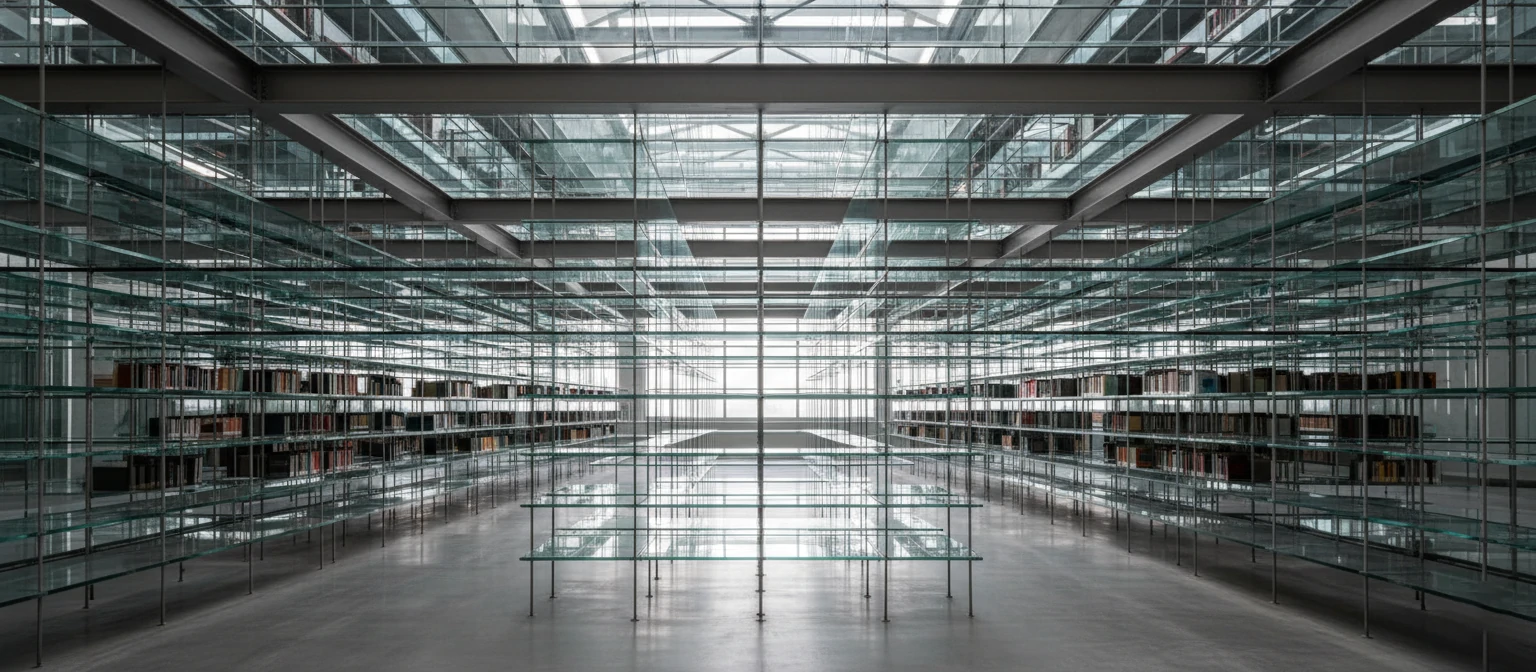
Kalach conceived of the library as a "city within a city"—a democratic space where anyone could come to read, think, or simply experience the beauty of the architecture. Unlike many grand buildings that can feel imposing or exclusive, Vasconcelos feels welcoming and alive with activity.
Collections and Resources
Biblioteca Vasconcelos houses over 580,000 volumes covering virtually every subject imaginable. Unlike traditional libraries organized by the Dewey Decimal System, the collection is arranged thematically across the different levels, creating a journey through human knowledge as you move through the building.
Collection by the Numbers
580K+
Books & Documents
1,500+
Music Recordings
500+
Computer Stations
2M+
Annual Visitors
Special Collections
Mexican Literature Collection
One of the most comprehensive collections of Mexican literature anywhere, including rare editions of works by Octavio Paz, Carlos Fuentes, Elena Poniatowska, and other literary giants.
Children's Section
A dedicated area designed for young readers with age-appropriate furniture, interactive programs, and a carefully curated collection spanning picture books to young adult literature.
Multimedia Library
Music recordings, films, documentaries, and digital resources available for in-library use. Includes listening stations with headphones for audio materials.
Braille and Accessibility Resources
Materials for visually impaired visitors including Braille books, audiobooks, and specialized computer stations with screen readers.
Must-See Highlights
While the entire building is worth exploring, certain features stand out as essential experiences that capture the library's magic.
Mátrix Móvil (The Whale Skeleton)
Suspended in the main hall is a complete gray whale skeleton, measuring 12 meters long, covered in intricate graphite patterns by artist Gabriel Orozco. The geometric circles painted on the bones reference mathematical and organic patterns found in nature. It's one of the most photographed artworks in Mexico City.
📍 Location: Central atrium, visible from multiple levels
The Central Corridor
Walk the length of the main corridor—252 meters of floating bookshelves on either side. At certain times of day, the light creates an almost mystical atmosphere. Stand in the center and look up to fully appreciate the scale and ambition of the design.
📍 Best viewing: Early morning or late afternoon for optimal light
Upper Level Views
Take the elevators or stairs to the upper levels for breathtaking perspectives of the space below. Looking down through the transparent floors at the whale skeleton and the readers below is a vertiginous, exhilarating experience.
📍 Tip: The 4th and 5th levels offer the most dramatic vantage points
Practical Visitor Information
Planning your visit is straightforward. Here's everything you need to know to make the most of your time at Biblioteca Vasconcelos.
Getting There
🚇 By Metro/Metrobús
Take Metrobús Line 1 to Buenavista station. The library is a 2-minute walk from the exit. The Suburban Train also stops here.
🚕 By Taxi/Uber
Tell your driver "Biblioteca Vasconcelos" or "Biblioteca de Buenavista." Drop-off is typically at the main entrance on Eje 1 Norte.
🚗 By Car
Limited street parking available. Paid parking in the nearby Forum Buenavista mall. Traffic in this area can be heavy during rush hours.
⚠️ Security Note: The Buenavista neighborhood has undergone significant improvement but remains a working-class area. The library itself and immediate surroundings are very safe during operating hours. As with anywhere in Mexico City, stay aware of your belongings.
Photography Tips
Biblioteca Vasconcelos is one of the most photogenic buildings in Mexico, and photography is permitted (without flash). Here's how to capture its beauty.
Best Time for Photos
Early morning (8:30-10:00 AM) or late afternoon (4:00-6:00 PM) when soft natural light streams through the glass walls. Midday can be harsh with strong shadows.
Best Angles
Look straight up from the central corridor, shoot through the transparent floors from above, or capture the full length of the building from either end.
Gear Recommendations
Wide-angle lenses (14-24mm) are ideal for capturing the scale. Smartphones work well for the whale skeleton and details. Tripods are generally allowed but may attract staff attention.
Photography Etiquette
Remember this is a working library. Be quiet, don't block aisles, avoid photographing other visitors without permission, and never use flash. Respect the space.
The Botanical Garden
The library's botanical garden, designed as an integral part of the complex, covers 26,000 square meters and contains over 60,000 plants representing the biodiversity of Mexico. It's a tranquil oasis that many visitors overlook in their rush to see the interior.
Garden Highlights
Desert Plants
Cacti and succulents from Mexico's arid regions
Native Trees
Indigenous species from various Mexican ecosystems
Water Features
Reflecting pools that mirror the building's architecture
Wildlife
Birds and butterflies attracted by native plants
The garden serves an ecological purpose beyond aesthetics. It functions as a green lung for the neighborhood, helps regulate temperature within the building, and creates habitat for urban wildlife. Paths wind through different zones representing Mexico's diverse biomes.
💚 Green Tip: The garden is particularly beautiful after rain when the plants glisten and the air smells of wet earth. If you visit during the rainy season (June-October), time your visit for late morning after an early shower has passed.
Nearby Attractions
Make a full day of your visit by exploring the surrounding area. The Buenavista neighborhood and nearby districts offer several worthwhile destinations.
Museo Nacional de San Carlos
Beautiful neoclassical building housing European art from the 14th to early 20th century. About 15 minutes walk from the library.
Distance: 1.2 km | Time: 15 min walk
Forum Buenavista Mall
Modern shopping center directly connected to the Buenavista transport hub. Good for lunch options, restrooms, and a break from walking.
Distance: Adjacent | Time: 2 min walk
San Cosme Neighborhood
Traditional neighborhood with excellent street food and historic architecture. Try the local taquerias for an authentic Mexico City meal.
Distance: 0.8 km | Time: 10 min walk
Museo Universitario del Chopo
Contemporary art museum in a striking Art Nouveau building. Known for experimental exhibitions and alternative culture events.
Distance: 1.5 km | Time: 20 min walk
Events and Programs
Beyond its role as a reading room, Biblioteca Vasconcelos hosts a vibrant calendar of cultural events, workshops, and educational programs—all free to the public.
Author Readings
Mexican and international authors regularly present their works. Check the calendar for readings in Spanish and occasionally English.
Cultural Performances
Music, dance, and theater performances are held in the library's event spaces, often featuring traditional and contemporary Mexican artists.
Children's Programs
Storytelling sessions, craft workshops, and educational activities designed to cultivate a love of reading in young visitors.
Digital Literacy
Free workshops on computer skills, internet research, and digital tools—particularly valuable for underserved community members.
📅 Event Information: Check the library's official website or social media channels for current programming. Events are typically in Spanish, but the visual and musical performances are accessible to all. Most events require no reservation—simply show up.
Insider Tips
After countless visits, here are my best tips for experiencing Biblioteca Vasconcelos like a local rather than a tourist.
🌅 Visit on Weekday Mornings
Weekends can be crowded with families and tour groups. Tuesday or Wednesday mornings offer the most peaceful experience, with better lighting for photography and quiet reading spaces.
📚 Actually Read Something
Don't just photograph the space—experience it as intended. Find a book, settle into one of the reading areas, and spend an hour absorbed in a text. It transforms your understanding of the place.
🌿 Don't Skip the Garden
Many visitors never leave the building. The botanical garden is essential to the experience and offers beautiful views of the exterior architecture. Budget at least 20-30 minutes for it.
🎧 Bring Headphones
The library can be noisy with tourists and school groups. Headphones let you listen to music or podcasts while working, or simply block out distractions for focused reading.
☕ Bring Water and Snacks
There's no café inside the library. Bring a water bottle and some snacks if you plan to stay for a while. Eating is allowed in designated areas, not among the books.
🔄 Return at Different Times
The library looks dramatically different depending on time of day and weather. Morning light, overcast afternoons, and the golden hour before closing each create distinct atmospheres worth experiencing.
Frequently Asked Questions
Is Biblioteca Vasconcelos really free?
Yes, completely free. There's no admission charge, and you don't need to be a Mexican citizen or resident to enter. Simply walk in during opening hours. Library cards for borrowing are available to residents.
Can I work on my laptop there?
Absolutely. Many locals use the library as a co-working space. There are power outlets in many seating areas, and free WiFi is available throughout the building. It's a popular spot for students and remote workers.
Is it safe to visit?
Yes, the library and its immediate surroundings are safe during operating hours. Security guards are present, and the area is well-traveled. As with any major city, stay aware of your belongings and avoid the area late at night.
How long should I plan to spend there?
For a quick visit and photos, 1 hour is sufficient. To truly explore the building, browse books, and enjoy the garden, plan for 2-3 hours. If you're working or studying, you could easily spend a full day.
Are there guided tours available?
Free guided tours are occasionally offered—check with the information desk upon arrival or the library's website. Self-guided exploration is easy, and informational signs (mostly in Spanish) are posted throughout.
Isabella Mendoza
Architecture & Travel Writer
Isabella is a Mexico City-based writer specializing in architecture, design, and cultural travel. With a background in art history and over a decade exploring Mexico's built environment, she brings deep knowledge and genuine passion to her coverage of the country's architectural treasures. When not writing, she volunteers as a guide for architecture walking tours in CDMX.