
Pro Pixel Agency logoPro Pixel Agency logoPro Pixel Agency logo – Web & Media ExpertsPro Pixel Agency logo – Web & Media Experts
  • Home
  • Services
        • Website Design and Development
        • Video Editing and Production
        • Image Editing and Graphics Design
        • Audio Editing Service
        • 3D Visualization and Rendering
        • Search Engine Optimization
  • Prices and Offers
    • Pricing Plans
    • Offers
    • Quote
    • Get Free Trial
  • Company
    • About Us
    • Blog
    • Contact Us
  • Home
  • Services
    • Website Design and Development
    • Video Editing and Production
    • Image Editing and Graphics Design
    • Audio Editing Service
    • 3D Visualization and Rendering
    • Search Engine Optimization
  • Prices & Offers
    • Quote
    • Pricing Plans
    • Payments
    • Offers
  • Company
    • About Us
    • Blog
    • Contact Us
Upload Files
✕

The Barcelona Pavilion

  • Home
  • Blog
  • Architectural History
  • The Barcelona Pavilion

The Barcelona Pavilion

Published by Pro Pixel Agency on December 26, 2025
Categories
  • Architectural History
  • Architecture
  • Modernist Architecture
Tags
  • 1929
  • architectural history
  • architecture photography
  • Barcelona Pavilion
  • design quality
  • Mies van der Rohe
  • Modernist architecture
The Barcelona Pavilion

"God is in the details." — Mies van der Rohe

Table of contents

  1. The "Free Plan" Revolution
    1. The Result: flowing Space
  2. Paintings Made of Stone
  3. A Throne for a King
  4. "Georg Kolbe's Morning"
  5. Less is Future

It has no doors. It has no windows (in the traditional sense). It housed no exhibits. It was a building that was about nothing but space itself.

The German Pavilion for the 1929 International Exposition in Barcelona was supposed to be a temporary structure. It stood for less than a year before being demolished. Yet, its ghost haunted modern architecture for decades until it was rebuilt from the dead in 1986.

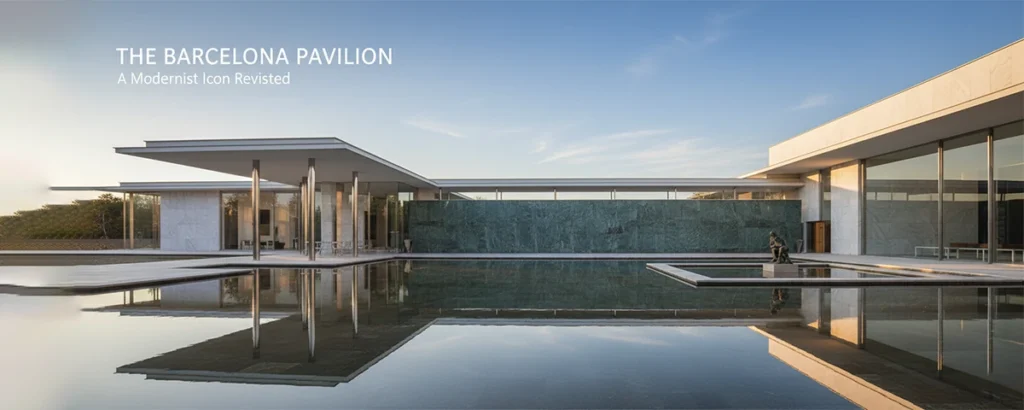
Today, it is considered one of the four canonical buildings of 20th-century modernism. This guide explores why a small slab of stone and glass became the most important building of its era.
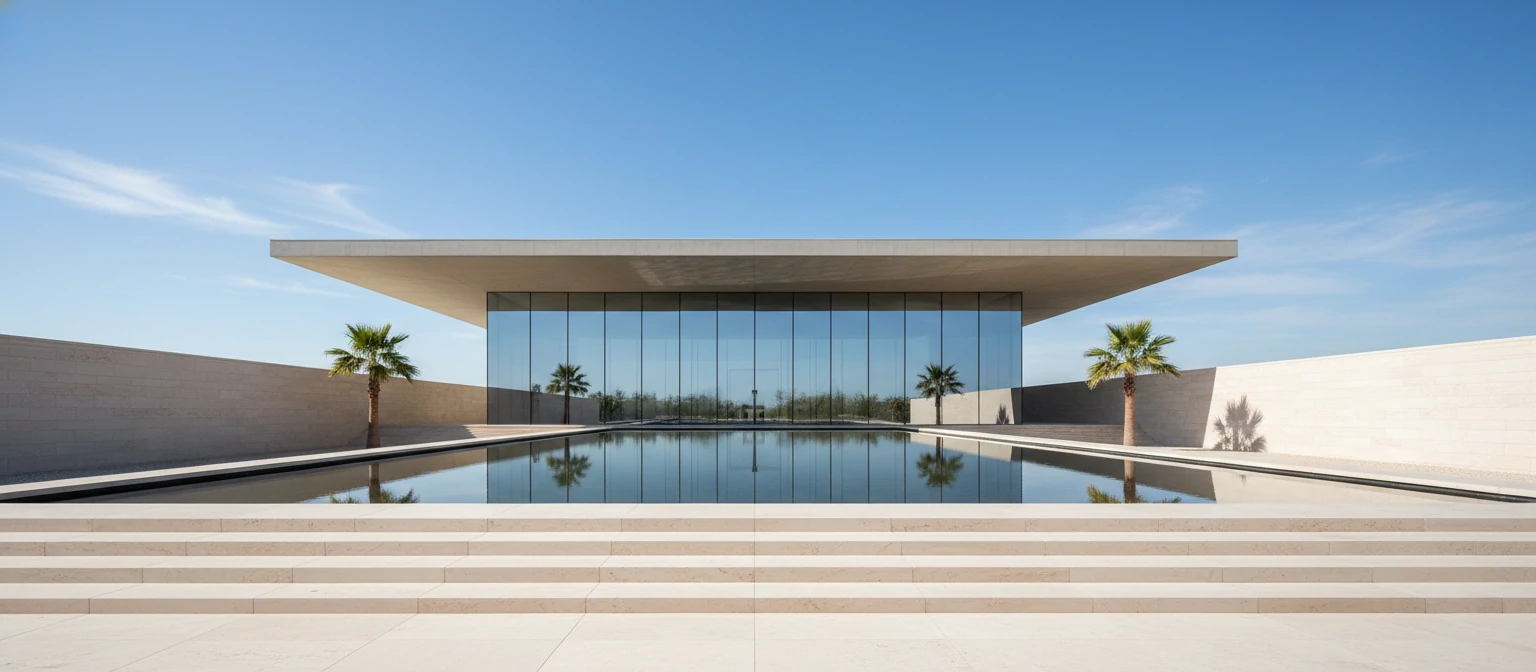
The classic frontal view. The wide travertine steps leading up to the plinth
The classic frontal view. The wide travertine steps leading up to the plinth. The flat, thin roof line hovering almost weightlessly. The small rectangular pool reflecting the sky. Perfect symmetry and stillness.

The "Free Plan" Revolution

Before Mies, walls did two things: they held up the roof, and they divided rooms. You were either "in" the kitchen or "in" the hallway.

Mies separated structure from enclosure. He used eight slender chrome columns (the cruciform columns) to hold the roof. This meant the walls had no structural job. They could be placed anywhere.

The Result: flowing Space

"The walls act as screens, not barriers."

  • ▪️ Indoors blends into outdoors.
  • ▪️ Rooms have no corners.
  • ▪️ Air and light move liquidly.
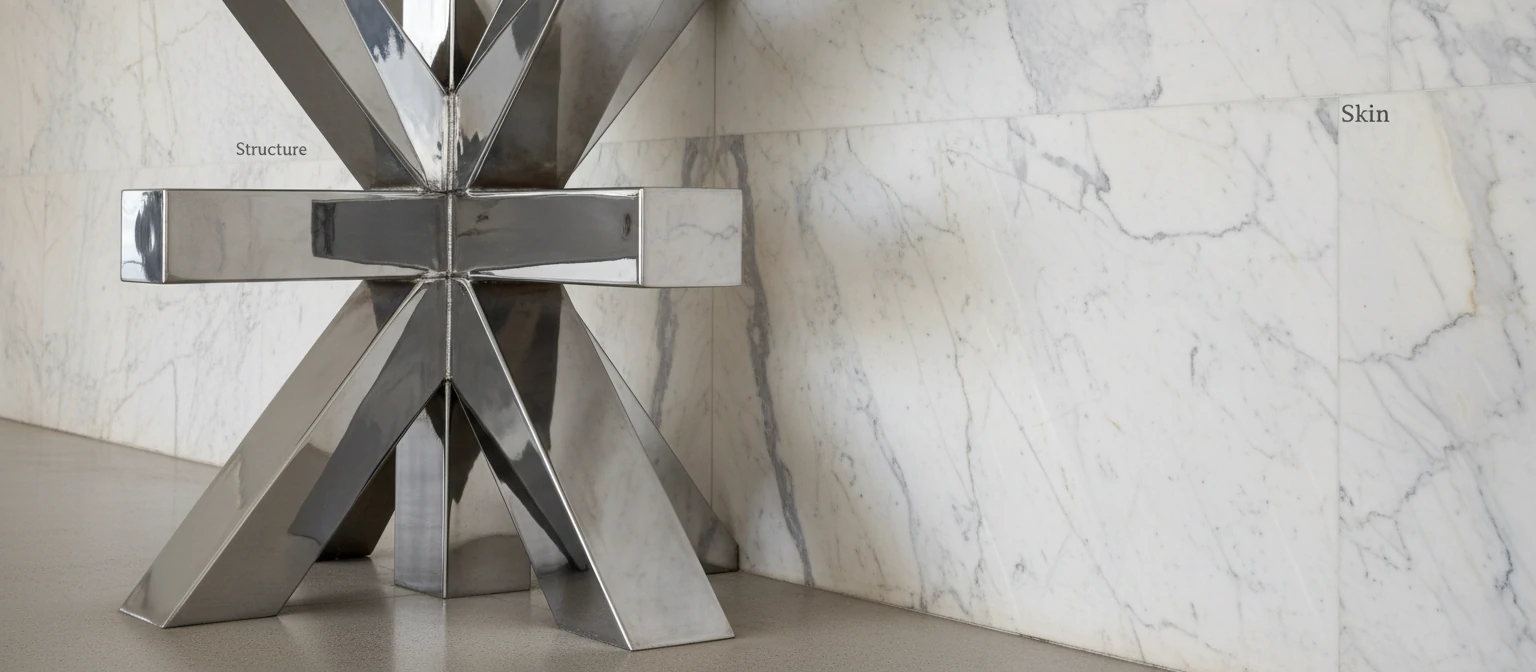
Detail of the Cruciform Column. chrome-plated steel
Detail of the Cruciform Column. chrome-plated steel. It is shiny, reflecting the marble wall next to it. Shows the separation of "Structure" (steel) vs "Skin" (stone).

Paintings Made of Stone

Because there was no decoration, the materials were the decoration. Mies traveled across Europe to find specific blocks of stone.

Golden Onyx

From one massive block found in the Atlas Mountains. It acts as the glowing heart of the pavilion.

Alpine Green

Tinos Marble. Deep, dark green with white veins. Used to frame the inner reflection pool.

Travertine

Roman Travertine used for the floor and walls. Its porous texture contrasts with the smooth glass.
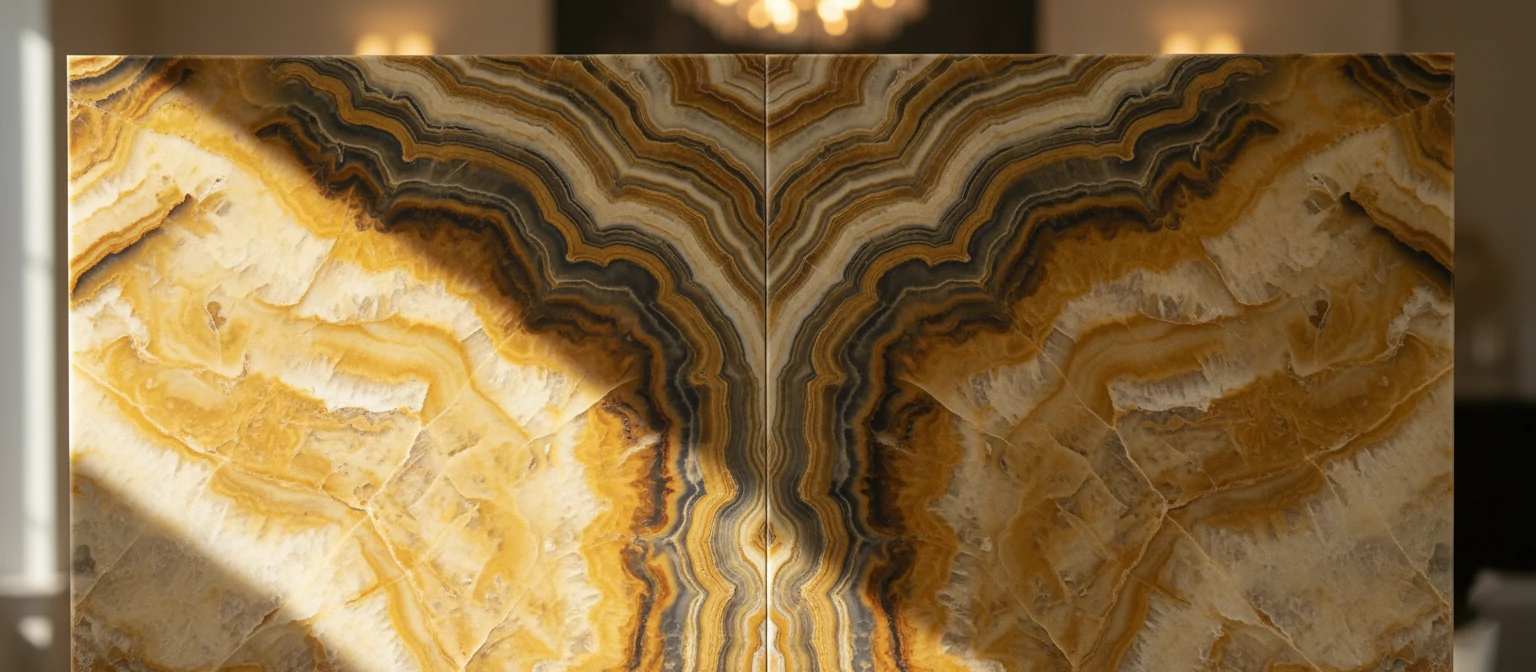
The Golden Onyx Wall. A close-up showing the book-matching technique
The Golden Onyx Wall. A close-up showing the "book-matching" technique, where the pattern of the stone mirrors itself like a Rorschach test. The sunlight hits it, making it look semi-translucent.

A Throne for a King

The Pavilion was primarily a reception hall for King Alfonso XIII of Spain. Mies realized he couldn't put ordinary furniture in this perfect space.

So, he designed the Barcelona Chair. Two rectangular cushions, button-tufted, resting on X-shaped curved steel legs.

It is perhaps the most famous chair in history. It was designed to be "monumental object" fit for royalty, yet modern enough for the machine age. Today, you see knock-offs in every corporate lobby, but seeing the originals in the Pavilion is a different experience.
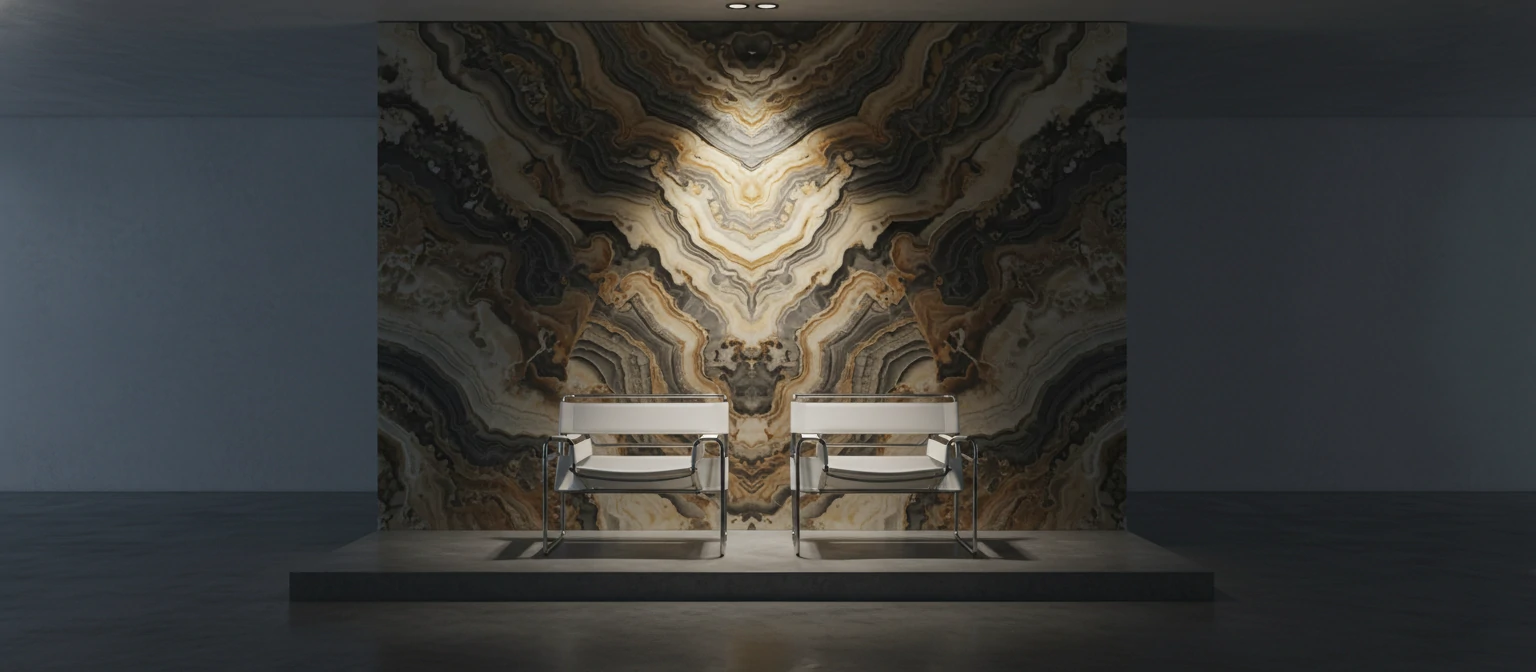
Two Barcelona Chairs (in white leather) sitting in front of the Onyx wall
Two Barcelona Chairs (in white leather) sitting in front of the Onyx wall. The composition is stark and minimal. It looks less like a living room and more like an altar.

"Georg Kolbe's Morning"

In a building of straight lines and geometry, Mies placed one curve: a figurative sculpture by Georg Kolbe titled Alba (Dawn).

She stands in the smaller reflecting pool, shielded by green marble walls. Her reflection in the water and the marble creates a sense of infinite multiplication. She is the human element in an abstract world.
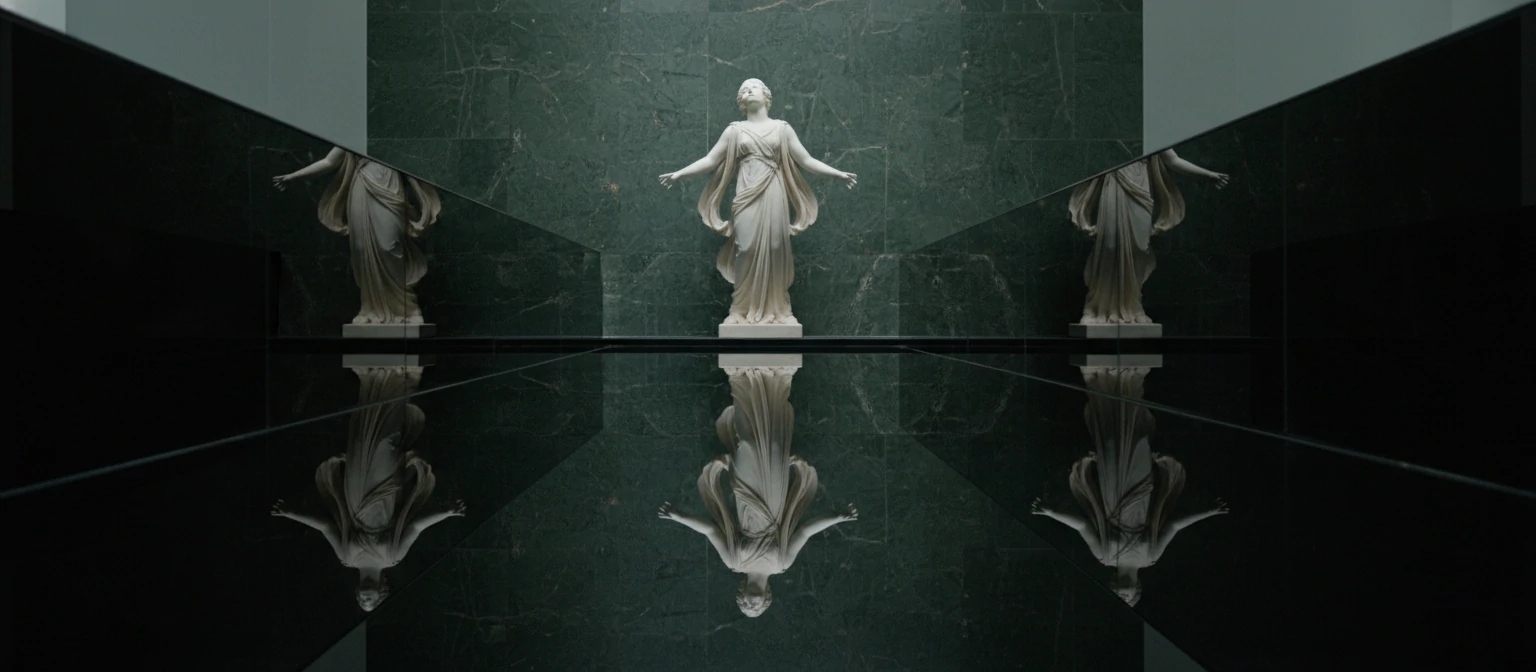
The sculpture 'Alba' reflected in the dark water
The sculpture 'Alba' reflected in the dark water. The black glass lining the pool makes the water look infinitely deep. The green marble provides a dark, moody backdrop.

Less is Future

The Barcelona Pavilion is almost 100 years old, yet it looks like it was built tomorrow. It taught the world that luxury isn't about gold leaf and ornaments. Luxury is space, light, and silence.

Visit Our Services
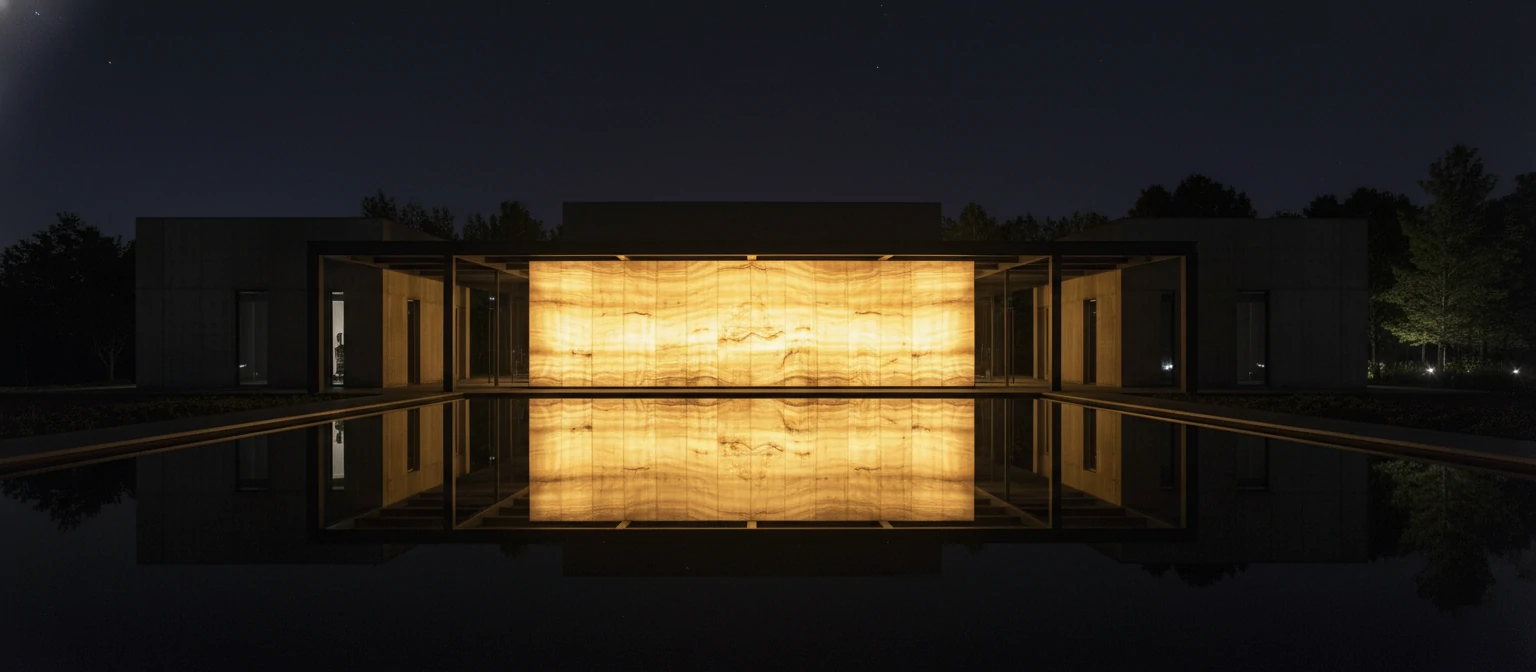
Night shot. The pavilion is lit from within
Night shot. The pavilion is lit from within. The onyx wall glows warm yellow, while the rest of the building fades into the shadows. The reflection in the large pool creates a perfect double image.

Related posts

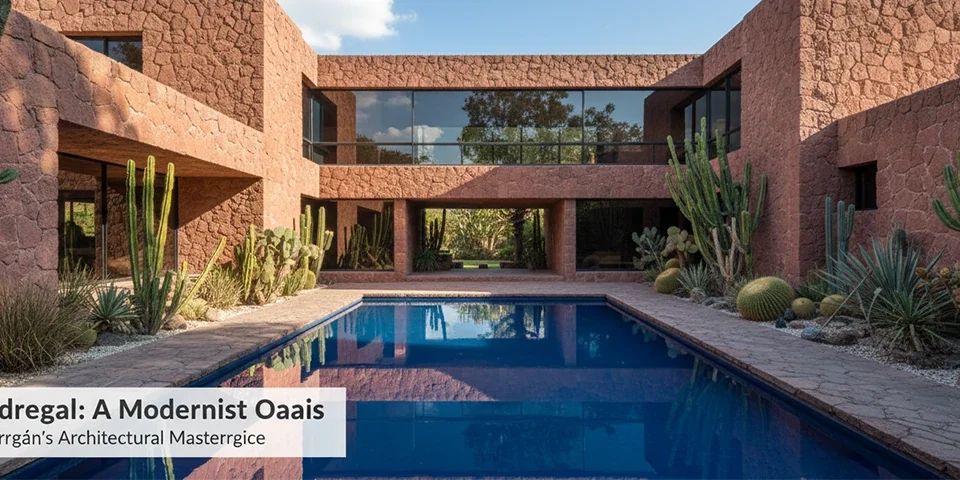
Casa Pedregal
December 26, 2025

Casa Pedregal


Read more
Biblioteca Vasconcelos
December 26, 2025

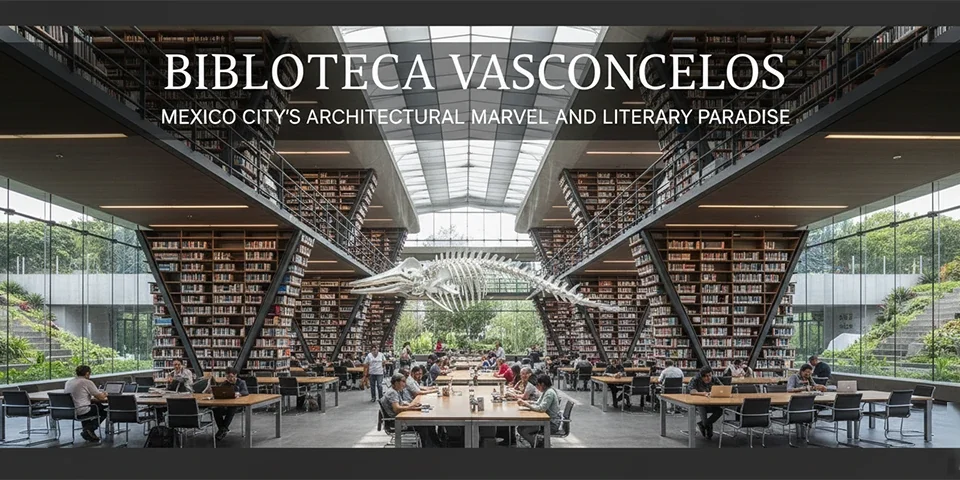
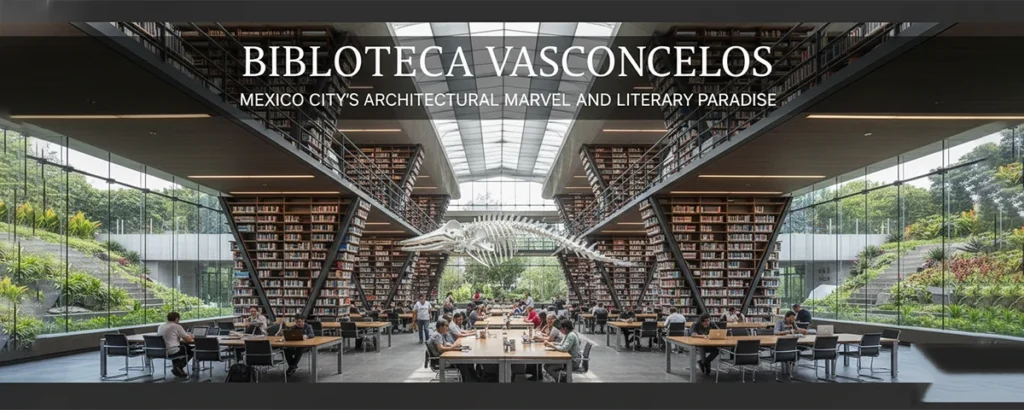
Biblioteca Vasconcelos: Mexico City’s Architectural Marvel and Literary Paradise


Read more
Casa Gilardi
December 25, 2025

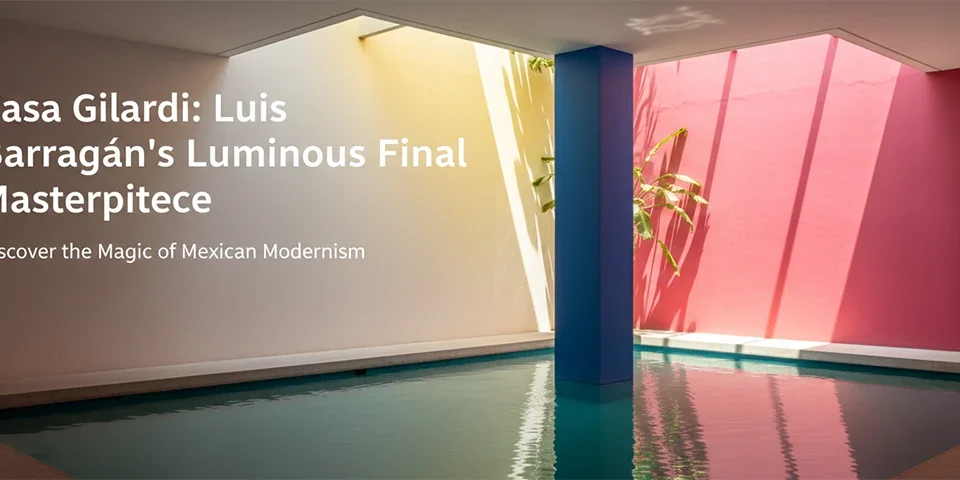
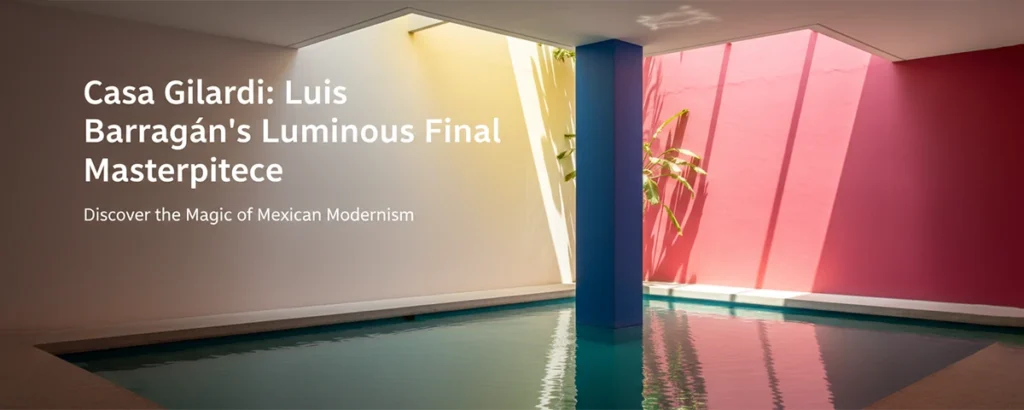
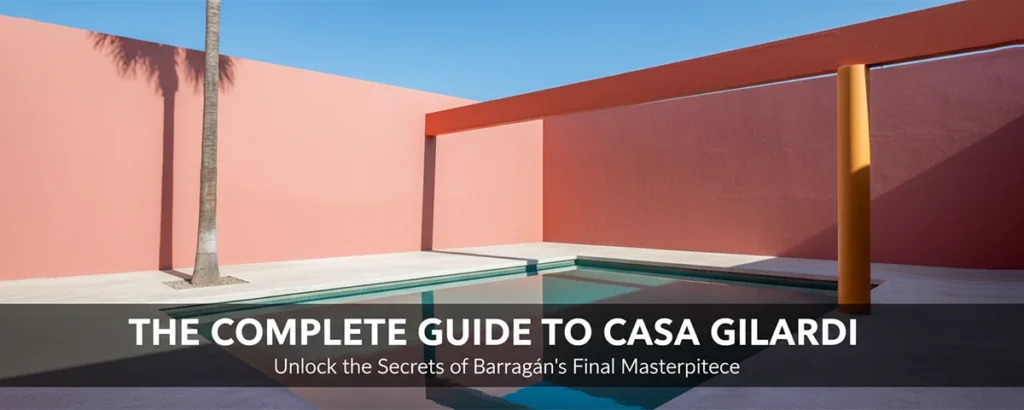
Casa Gilardi: Luis Barragán’s Luminous Final Masterpiece


Read more
Architectural Rendering Company
December 21, 2025

Architectural Rendering Company


Read more
Comprehensive Guide to 3D Architectural Rendering
November 26, 2025

Comprehensive Guide to 3D Architectural Rendering


Read more
Complete Guide to 3D Architectural Rendering
November 26, 2025

Complete Guide to 3D Architectural Rendering


Read more
Pro Pixel Agency
Transforming businesses through innovative digital solutions and creative excellence.

Services


  • Web Development
  • Video Editing
  • Image Editing
  • Audio Editing
  • 3D Rendering
  • SEO Services

Company


  • About Us
  • Contact Us
  • Careers
  • Blog
  • Privacy Policy
  • Terms & Conditions
  • FAQ

Contact


  • info@propixelagency.com
  • +1 (555) 123-4567
  • Apache Junction, AZ, USA
© 2026 Pro Pixel Agency All Rights Reserved.
Upload Files