
Architects design structures. ArchViz studios design desire. Discover the specialized teams that fuse engineering precision with Hollywood cinematography.
A blueprint tells you where the walls are. A visualization tells you how it feels to live there.
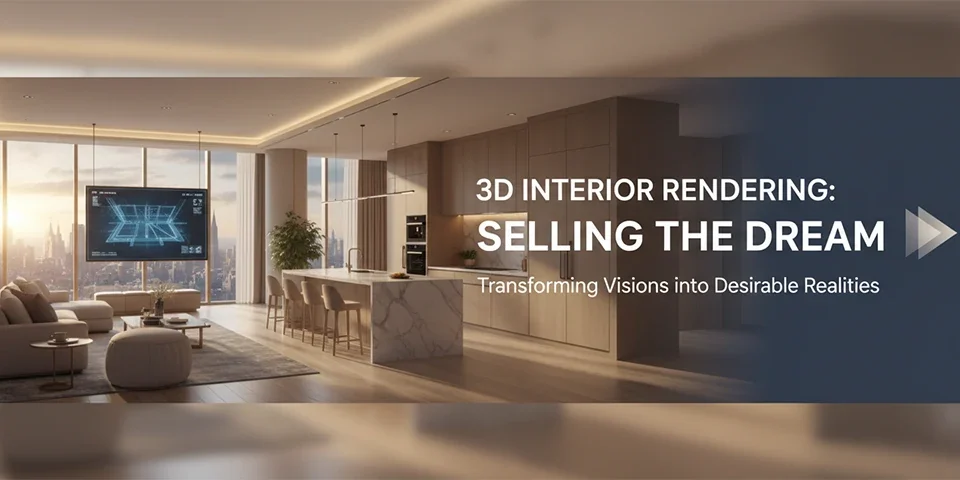
In the high-stakes world of real estate development, selling "off-plan" (before construction is finished) is the holy grail. But how do you sell a $10 million penthouse that is currently just a hole in the ground?
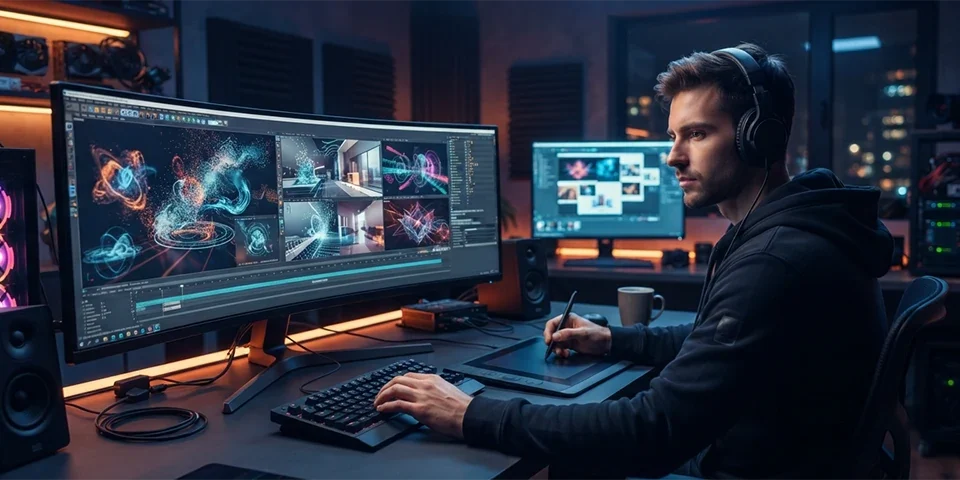
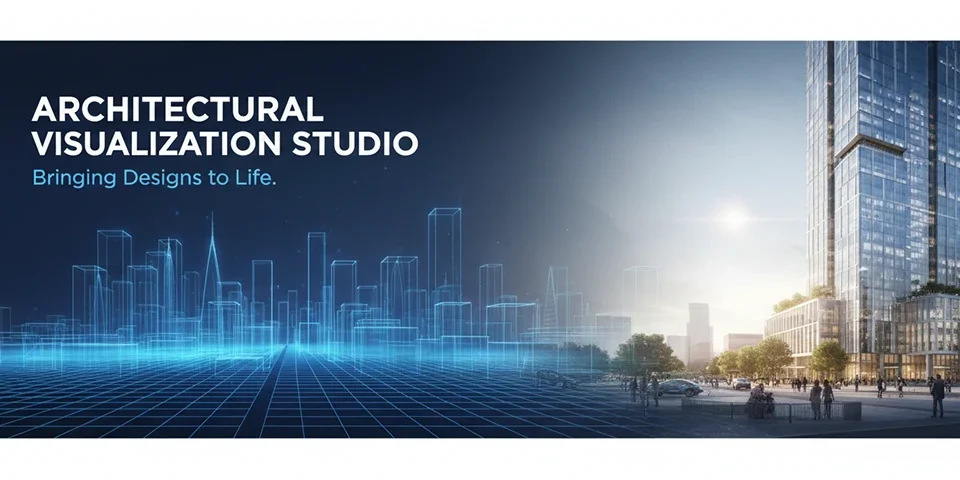
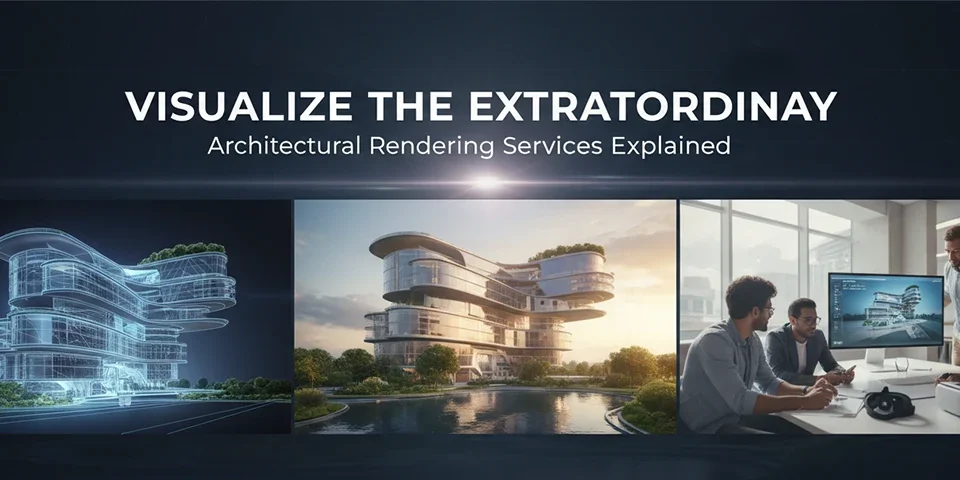
You hire a 3D Architectural Visualization Studio. These are not just individual freelancers; they are full-scale production houses employing architects, 3D artists, interior designers, and creative directors. Their job is to create a digital reality so convincing that buyers sign the check before the concrete is even poured.
Studio vs. Freelancer: The Scale Gap
Why pay a studio $5,000 per image when you can find a guy on Upwork for $300? The answer is Pipeline.
The Freelancer (The Artist)
- ❌ Single point of failure (if they get sick, you're stuck).
- ❌ Limited hardware (slow rendering times).
- ❌ Jack of all trades, master of none.
The Studio (The Army)
- ✅ Dedicated Project Manager (you assume passive role).
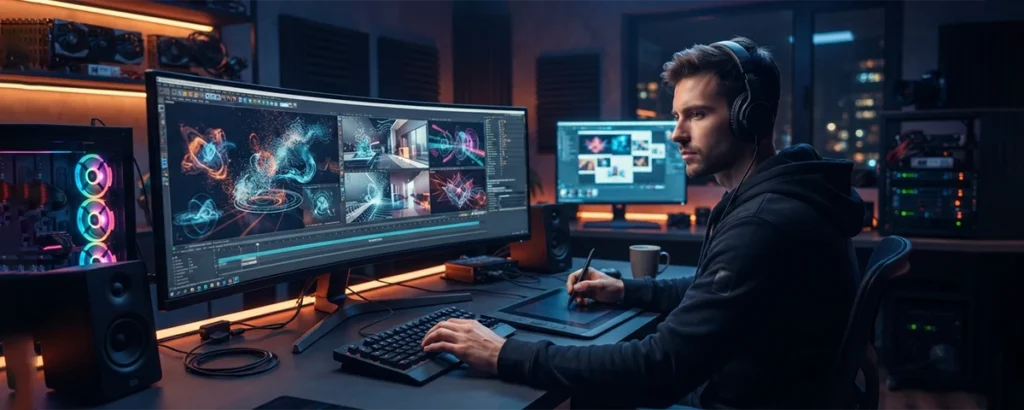
- ✅ Render Farms (supercomputers that render in minutes).
- ✅ Creative Director (ensures artistic consistency).

Deconstructing the "Billionaire Look"
Top-tier studios don't just replicate reality; they enhance it. They use a specific visual language known as "The ArchViz Look."
1. The Dusk Shot ("Blue Hour")
They rarely render high noon. They choose dusk. This allows them to show the building glowing from within (inviting) while contrasting with a deep blue sky (drama).
2. The Imperfection
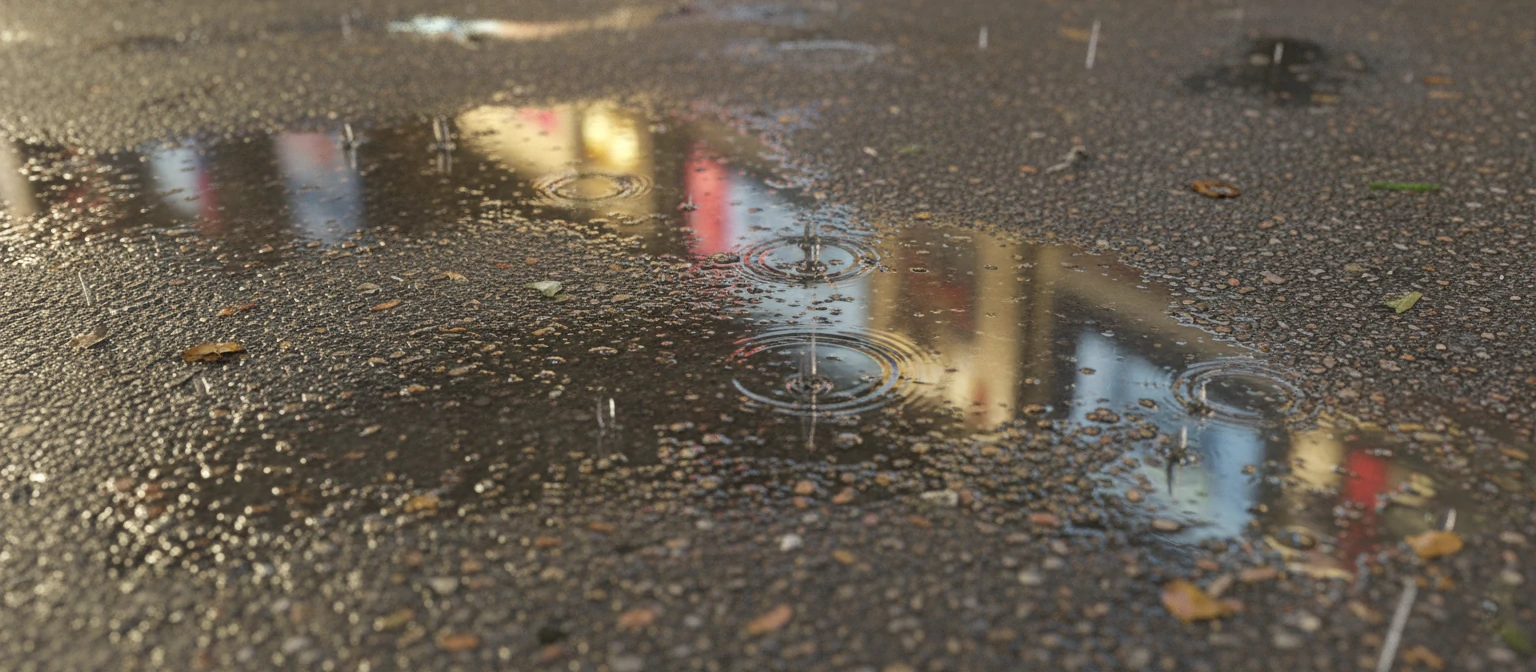
A perfect wall looks fake. Studios add subtle grime, asphalt textures, and wind-blown leaves. Subconscious flaws make the brain accept the image as real.
3. The Ghost People
People are added in post-production. They are often slightly blurred (motion blur) to keep the focus on the architecture and suggest a dynamic, busy lifestyle.
Inside the Production Line
You don't just email a PDF and get a JPEG back. It is a collaborative sprint.
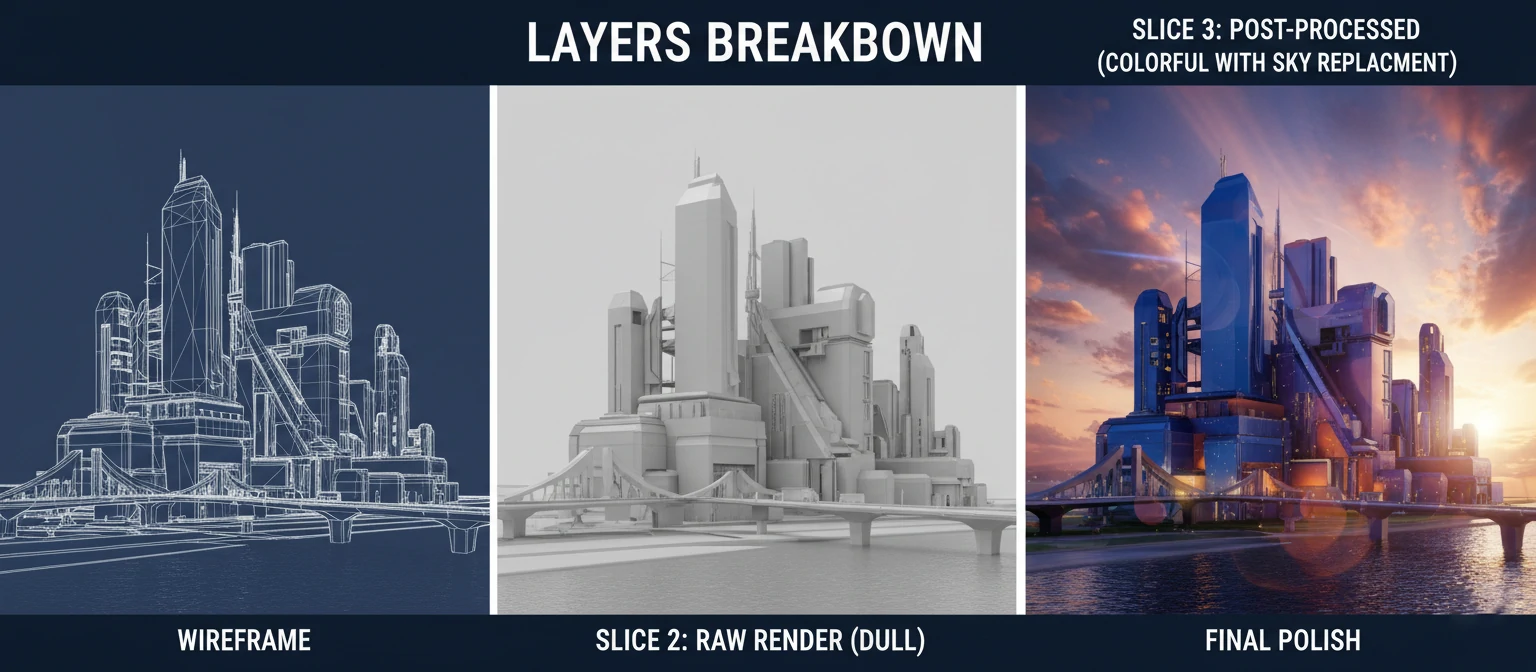
- 01 Volume Study (White Card) Checking the camera angles. Is this a bird's eye view or a worm's eye view? We confirm the geometry is correct.
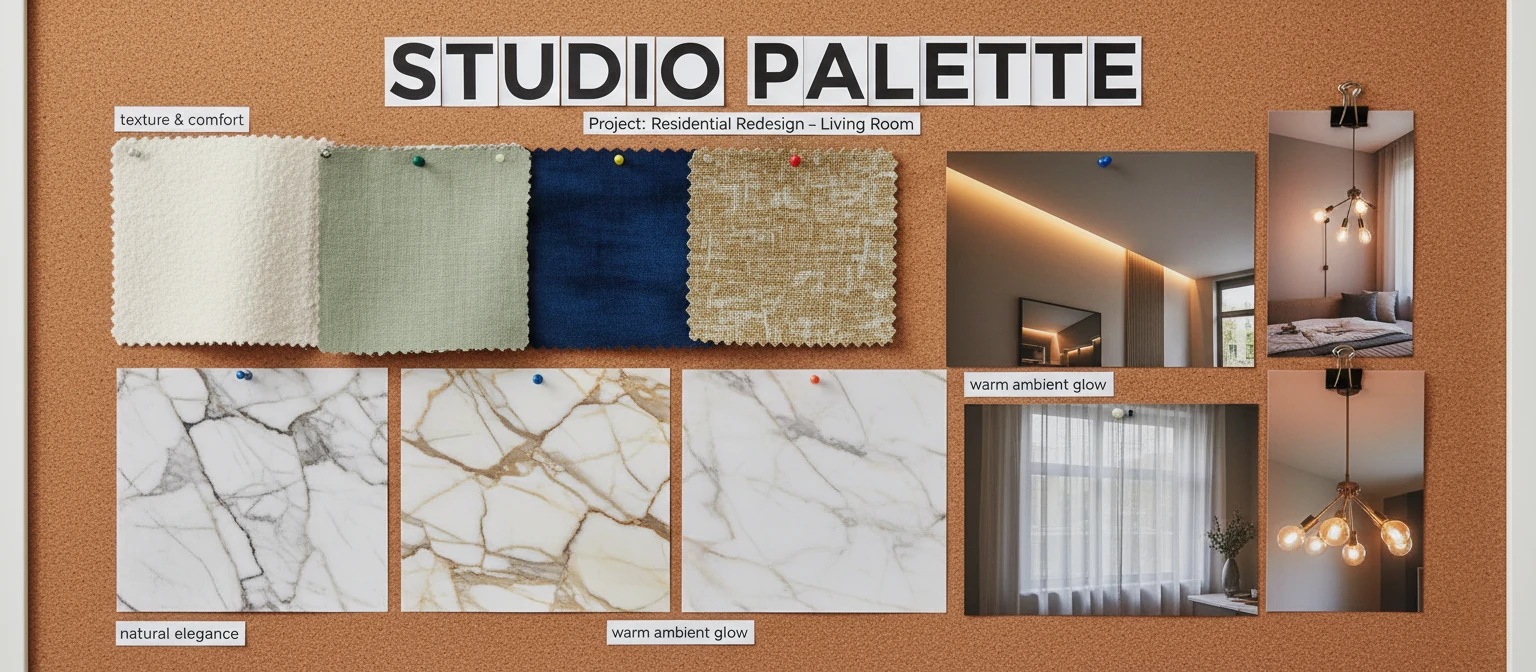
- 02 Materialization The client sends swatches ("Use Carrara Marble Type C"). The studio applies these textures.
- 03 Lighting Pass Setting the sun. Which direction provides the best shadows? This is where the emotional tone is set.
- 04 Post-Production (Photoshop) Color grading, lens flares, and atmosphere. This takes the image from "Math" to "Art."
How to Choose a Partner
Don't look at their "Best" work. Look at their "Average" work.
Every studio has one or two "Hero Images" (The Mona Lisas) on their home page that took 4 weeks to make. You want to see their deep portfolio. You want to know what they deliver on a tight Tuesday deadline with a grumpy client.
The Red Flag: If they use too much "Stock Assets." If every living room has the exact same generic Eames Chair and potted plant, they are cutting corners. A top studio models bespoke furniture to match your interior designer's vision.
The Next Frontier: Unreal Engine
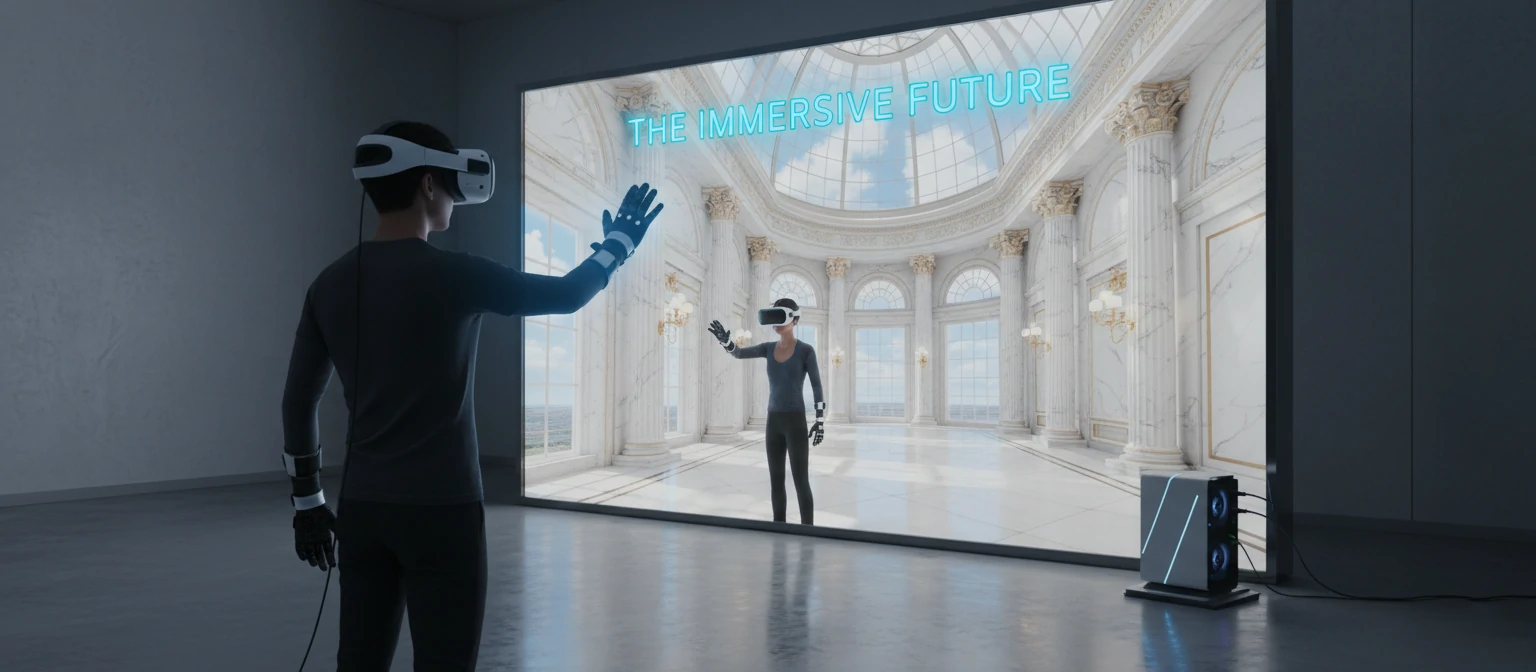
The best studios are moving away from static images towards Real-Time Rendering (using Game Engines like Unreal 5).
Instead of sending you 5 JPEGs, they send you an .EXE file. You open it, and you can walk through the building like it's a video game. You can open doors, turn on lights, and change the time of day instantly. This is the future of property sales centers.