
Your Complete Guide to Professional Video Post-Production Services and How They Transform Content
What is a Video Editing Agency?
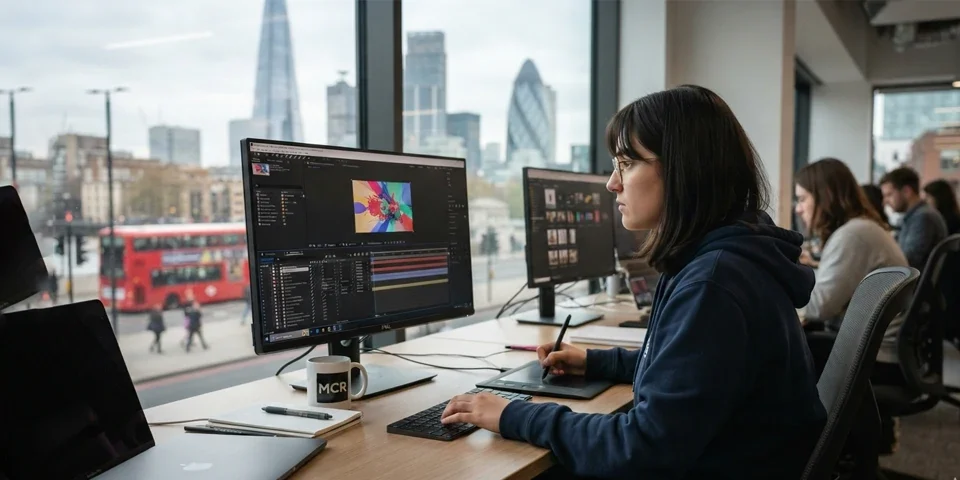
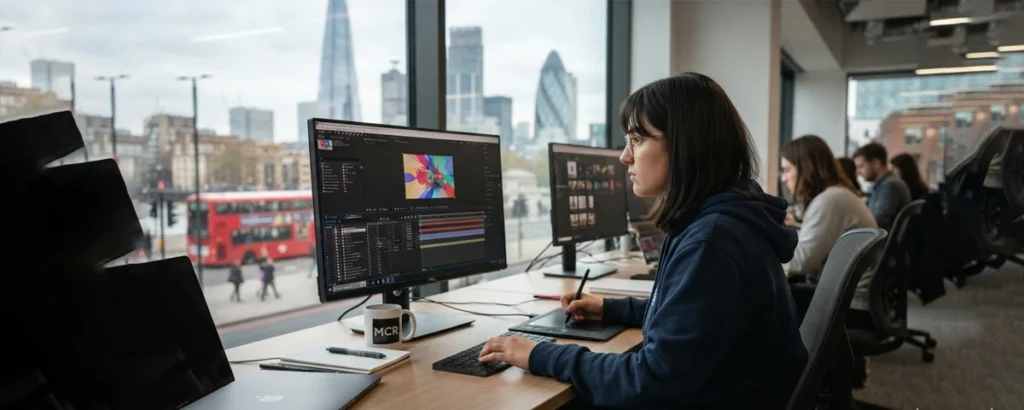
A video editing agency is a professional service company specializing in post-production work—transforming raw footage into polished, engaging video content. These agencies handle everything from basic cuts and color correction to complex motion graphics, sound design, and visual effects.
Table of contents
- What is a Video Editing Agency?
- 1. What Video Editing Agencies Do
- 2. Types of Video Editing Agencies
- 3. Core Services Offered
- 4. Benefits of Hiring an Agency
- 5. Pricing Models & Costs
- 6. The Agency Workflow Process
- 7. How to Choose the Right Agency
- 8. Questions to Ask Before Hiring
- 9. Industries That Benefit Most
- 10. Future Trends in Video Editing
- Frequently Asked Questions
Key Takeaways
- Video editing agencies handle post-production from raw footage to final delivery
- Services range from basic cuts to advanced VFX, motion graphics, and sound design
- Pricing varies from $50/hour for freelancers to $300+/hour for premium agencies
- Most agencies offer subscription models for ongoing content needs
- Turnaround times typically range from 24 hours to 2 weeks depending on complexity
In today's digital-first world, video content has become the most powerful medium for communication, marketing, and storytelling. From YouTube creators and social media influencers to Fortune 500 companies and local businesses, everyone needs video content—and more importantly, everyone needs that content to look professional.
This is where video editing agencies enter the picture. These specialized companies bridge the gap between raw footage and polished content that captivates audiences, drives engagement, and delivers results. Whether you're considering outsourcing your video editing for the first time or looking to switch agencies, this comprehensive guide will give you everything you need to make an informed decision.
1. What Video Editing Agencies Do
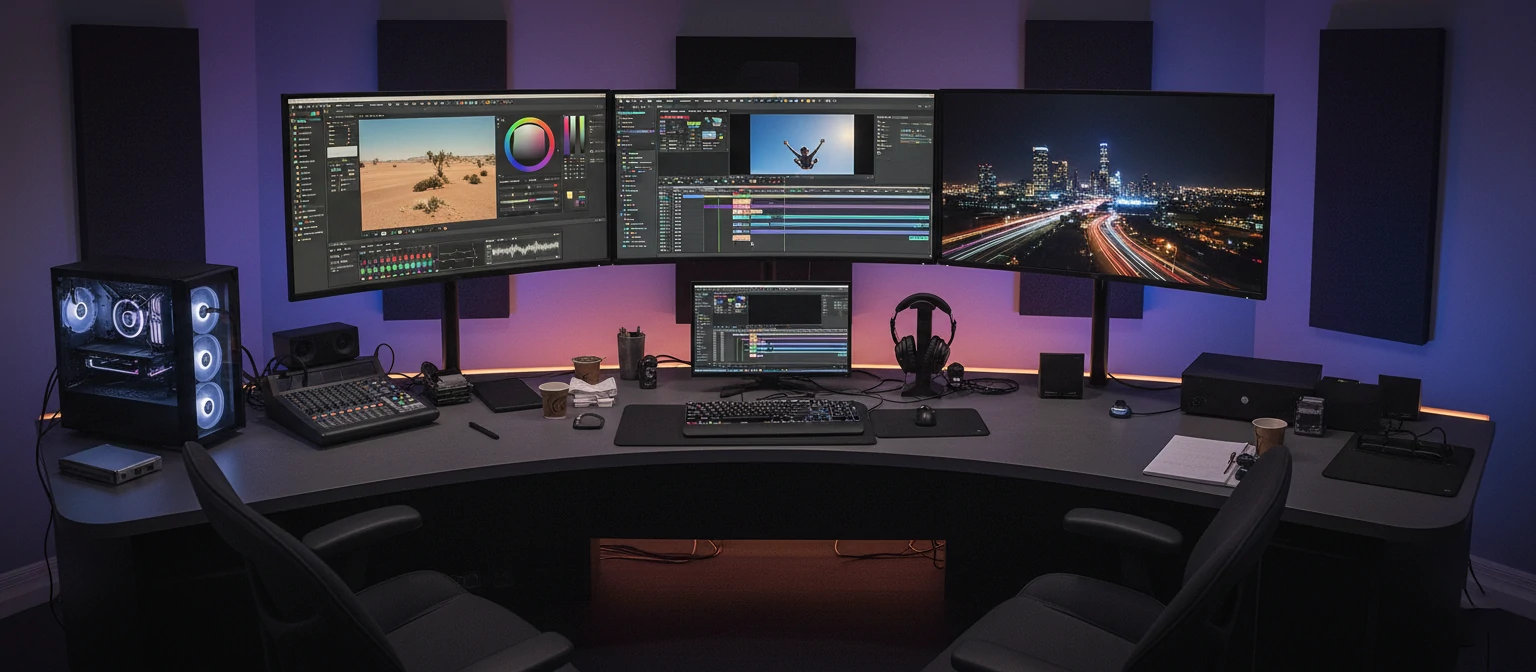
Video editing agencies specialize in the post-production phase of video creation—everything that happens after the cameras stop rolling. They take raw, unedited footage and transform it into compelling visual stories through a combination of technical skill, creative vision, and industry expertise.
Unlike full-service production companies that handle filming, agencies focus specifically on editing, allowing them to develop deep expertise in post-production techniques. This specialization means faster turnaround times, more refined skills, and often better value for clients who already have footage ready to edit.
The Post-Production Pipeline
Ingestion & Organization
Raw footage is uploaded, logged, and organized. Editors review all clips, note best takes, and create a structured project file.
Assembly & Rough Cut
A rough structure is created, establishing the video's narrative arc, pacing, and overall flow before fine-tuning begins.
Fine Cut & Refinement
Precise timing adjustments, transition selections, and pacing refinements transform the rough cut into a polished edit.
Color Grading & Audio
Visual aesthetics are enhanced through color correction, while audio is balanced, cleaned, and enhanced with music and sound effects.
Graphics & Effects
Motion graphics, titles, lower thirds, and visual effects are added to enhance storytelling and brand consistency.
Final Delivery
Videos are exported in multiple formats optimized for different platforms—YouTube, Instagram, LinkedIn, broadcast, etc.
2. Types of Video Editing Agencies
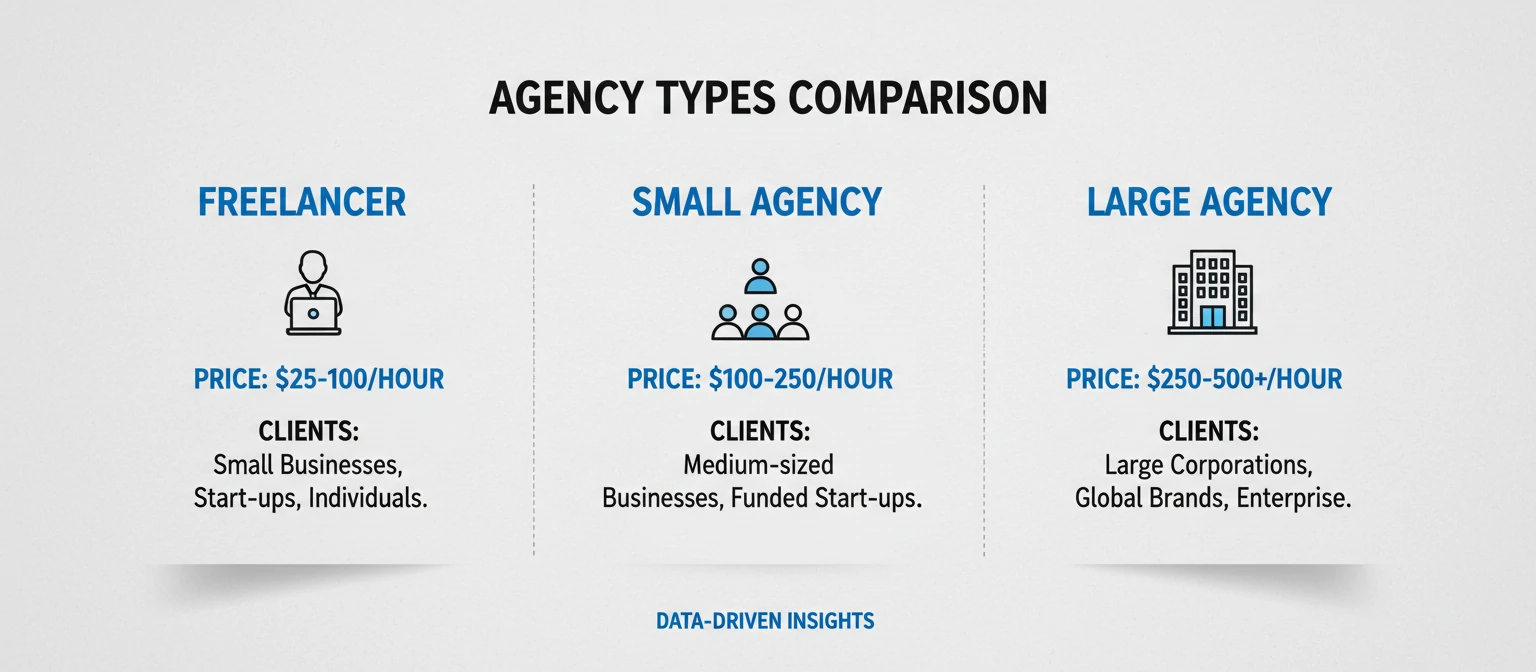
Not all video editing agencies are created equal. They vary significantly in size, specialization, pricing, and the types of clients they serve. Understanding these differences helps you find the right match for your specific needs.
Full-Service Post-Production Houses
Large agencies offering comprehensive services including editing, VFX, sound design, color grading, and finishing. Typically work with major brands, film studios, and advertising agencies.
Social Media Video Specialists
Agencies focused on short-form content for TikTok, Instagram Reels, YouTube Shorts, and social ads. They understand platform algorithms and trending formats.
Corporate Video Agencies
Specialists in business content—training videos, internal communications, product demos, webinar editing, and corporate presentations.
YouTube & Creator Agencies
Agencies built specifically for content creators. They understand YouTube's format, pacing requirements, and how to edit for audience retention.
Motion Graphics Studios
Creative agencies specializing in animated content, explainer videos, kinetic typography, and complex visual effects rather than traditional editing.
Subscription-Based Agencies
Newer model offering unlimited video editing for a flat monthly fee. Great for companies with consistent, ongoing video needs.
3. Core Services Offered
While specific offerings vary by agency, most professional video editing services encompass these core capabilities. Understanding what's typically included—and what might cost extra—helps you budget accurately and set proper expectations.
💡 Pro Tip: Clarify Revision Policies
Before signing with any agency, understand their revision policy. Most include 2-3 rounds, but the scope of what constitutes a "revision" varies dramatically. Get specifics in writing to avoid surprise charges.
4. Benefits of Hiring an Agency
While DIY editing tools have become more accessible, professional agencies offer advantages that software alone can't replicate. Here's why businesses and creators invest in agency partnerships:
Time Savings
Editing a 10-minute video can take 10-40 hours for inexperienced editors. Agencies complete the same work in a fraction of the time, freeing you to focus on content creation or business growth.
Professional Quality
Years of experience translate to superior pacing, storytelling instincts, and technical polish that distinguish professional content from amateur efforts.
Cost Efficiency
Full-time editors cost $50-100K+ annually including benefits. Agencies provide senior-level talent on-demand at a fraction of the cost for most businesses.
Team Expertise
Agencies offer access to colorists, motion designers, sound engineers, and senior editors—expertise that would require multiple hires to replicate in-house.
Scalability
Need 2 videos this month and 20 next month? Agencies scale with your needs without the complexity of hiring and training new staff.
Fresh Perspective
External editors bring objective viewpoints to your content. They're not attached to specific takes and can cut ruthlessly for the best final product.
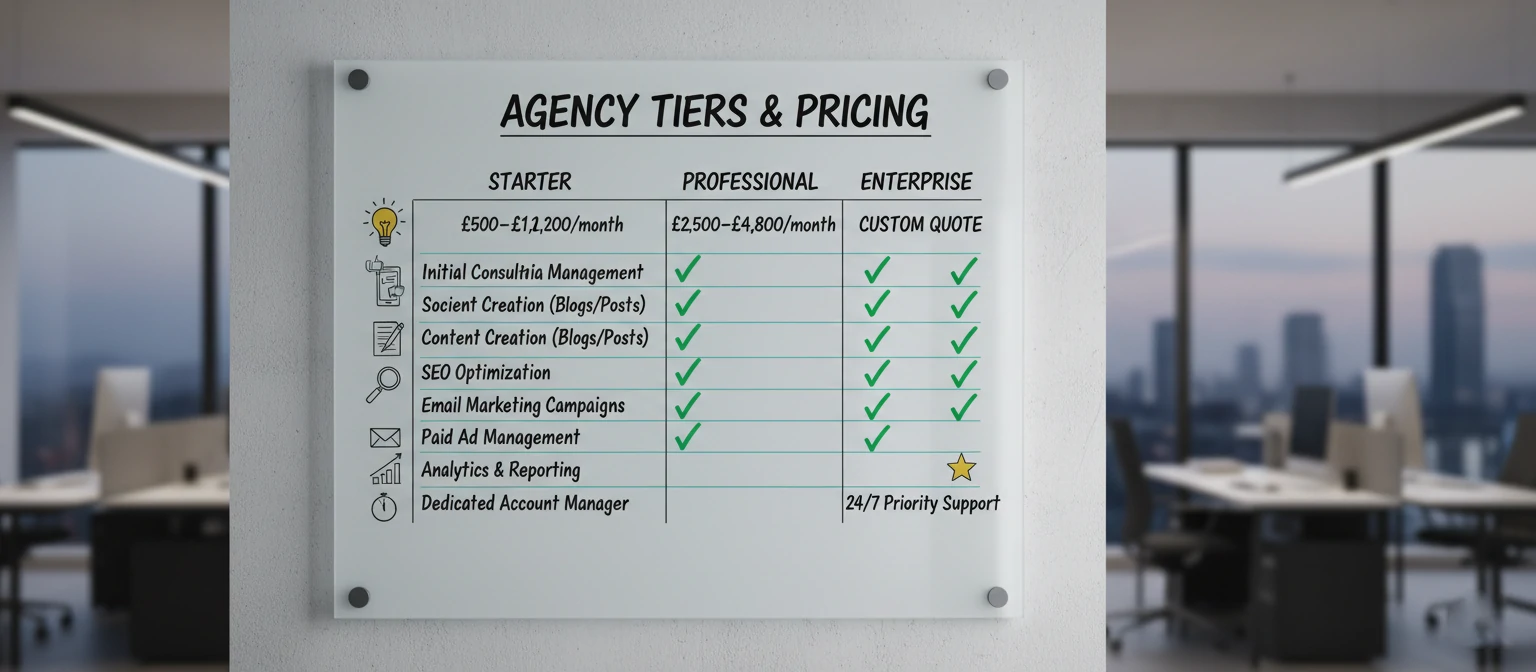
5. Pricing Models & Costs
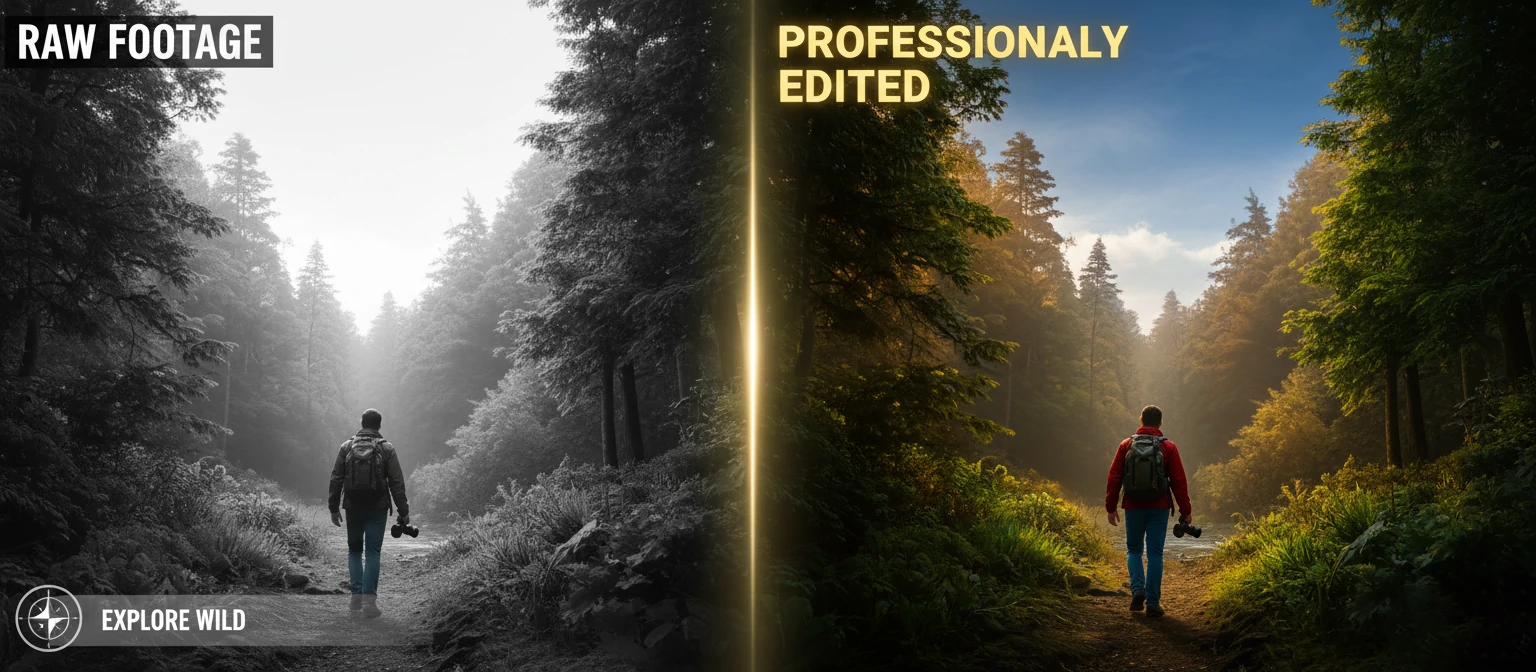
Video editing pricing varies dramatically based on agency tier, project complexity, and business model. Understanding the different pricing structures helps you budget appropriately and compare options effectively.
Common Pricing Models
Hourly Rate
Charged by the hour with estimates provided upfront. Best for unpredictable projects or one-off edits.
Per-Project Flat Fee
Fixed price for defined deliverables. Offers budget certainty but requires clear scope upfront.
Per-Minute of Finished Video
Pricing based on final video length. Common for standardized content like course videos or podcasts.
Monthly Subscription
Flat monthly fee for unlimited or defined number of videos. Best for consistent, ongoing content needs.
⚠️ Hidden Costs to Watch For
- Stock footage and music licensing fees
- Rush delivery surcharges (often 25-100% premium)
- Additional revision rounds beyond the included amount
- Project management or creative direction fees
- Re-export fees for format changes after delivery
6. The Agency Workflow Process
Working with a video editing agency follows a structured process designed to ensure clear communication, efficient production, and satisfactory results. Here's what to expect from initial contact to final delivery:
Discovery & Brief
Initial consultation to understand your goals, brand guidelines, target audience, and project requirements. You'll discuss style preferences, reference videos, and timeline expectations.
Proposal & Agreement
Agency provides a detailed proposal with scope, deliverables, timeline, and pricing. Once approved, contracts are signed and deposits collected (typically 50% upfront).
File Transfer
You upload raw footage, assets (logos, music, graphics), and any additional materials. Agencies typically use services like Dropbox, Google Drive, Frame.io, or their own secure portals.
First Cut Review
Initial rough cut is delivered for feedback. This version focuses on structure, pacing, and story—not final polish. Review links with timecode-specific commenting streamline feedback.
Revisions
Based on your feedback, editors refine the video. Most projects go through 2-3 revision rounds. Clear, consolidated feedback speeds this process.
Color & Audio Finishing
Once the edit is approved, final polish is applied—color grading, audio mixing, and quality control checks ensure broadcast-ready output.
Final Delivery
Finished videos are exported in all requested formats and delivered via secure download. Project files may be archived for future updates or re-edits.
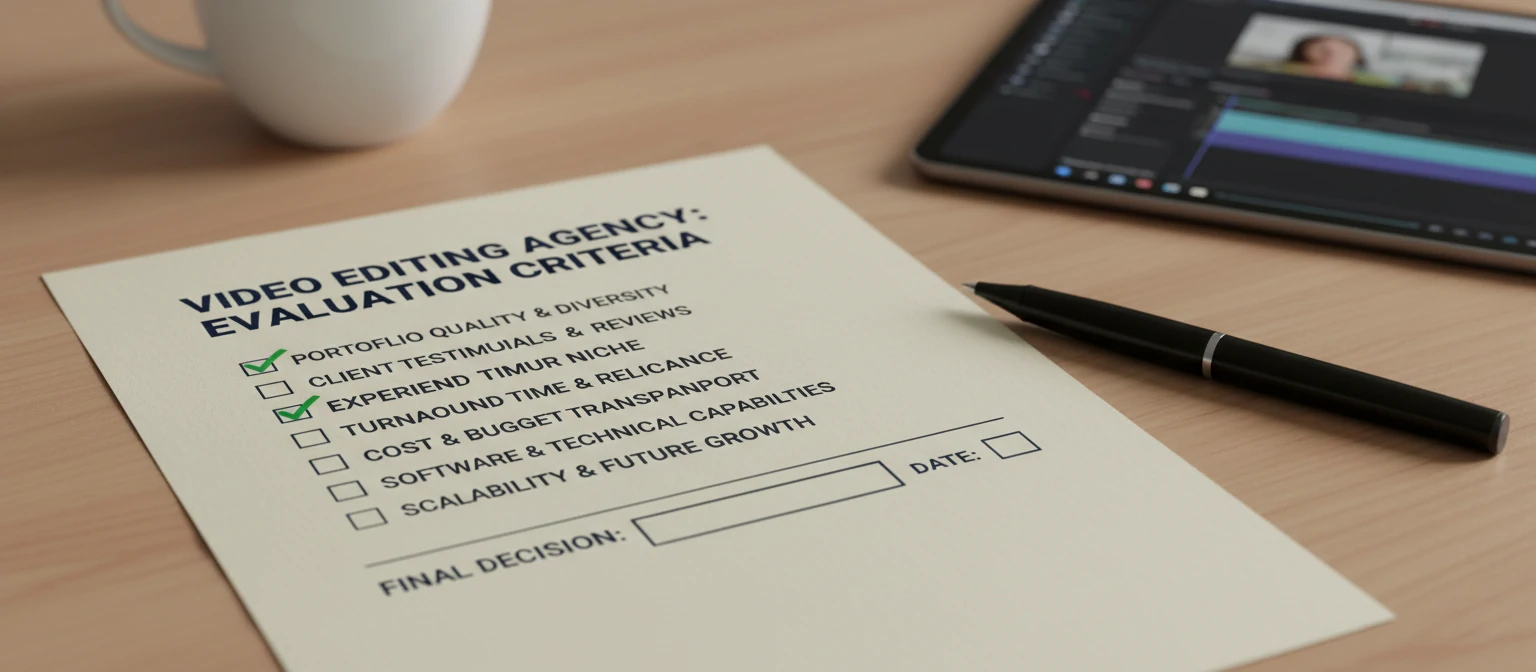
7. How to Choose the Right Agency
Selecting the right video editing partner significantly impacts your content quality and production experience. Here's a systematic approach to evaluating potential agencies:
📁 Portfolio Evaluation
Review their portfolio for projects similar to yours in style, industry, and complexity. Pay attention to pacing, transitions, color grading consistency, and audio quality. A strong portfolio in corporate videos doesn't guarantee success with dynamic YouTube content—specialization matters.
💬 Communication Style
How responsive are they during the sales process? Do they ask thoughtful questions about your needs? Initial communication often predicts ongoing partnership quality. Look for agencies that listen more than they pitch.
⏱️ Turnaround Times
Ensure their standard timeline matches your needs. Some agencies prioritize quality over speed, while others optimize for rapid delivery. Neither is wrong—but mismatched expectations cause friction.
🔧 Technical Capabilities
Confirm they have the software, hardware, and expertise for your project requirements. Need 4K HDR delivery? Complex motion graphics? Multi-camera editing? Verify they've handled similar technical demands.
📊 Scalability
If you anticipate growing video needs, choose an agency that can scale with you. Ask about their capacity, team size, and how they handle volume increases without sacrificing quality.
⭐ Client References
Request references from clients with similar project types. Ask specifically about reliability, revision handling, and whether the agency meets deadlines consistently.
8. Questions to Ask Before Hiring
Before signing with any agency, ask these essential questions to avoid misunderstandings and ensure alignment:
"Who will actually edit my videos?"
Will you work with the same editor consistently, or will projects rotate between team members? Consistency often improves quality as editors learn your preferences.
"What's included in a revision round?"
Some agencies count each comment as a revision; others allow unlimited changes per round. Get specific definitions to avoid surprise charges.
"How do you handle rush projects?"
Understand rush pricing and whether expedited delivery is even possible given their current workload.
"What file formats do you accept and deliver?"
Confirm compatibility with your camera formats and that they can export to your needed delivery specifications.
"Do you provide project files upon completion?"
Some agencies retain project files; others include them with delivery. This matters if you ever need to make changes or switch providers.
"What happens if I'm not satisfied?"
Understand their policy for major creative disagreements. Professional agencies have clear escalation and resolution processes.
"Can you show me examples of similar projects?"
Generic portfolios don't tell the whole story. Request samples specifically matching your content type and quality expectations.
9. Industries That Benefit Most
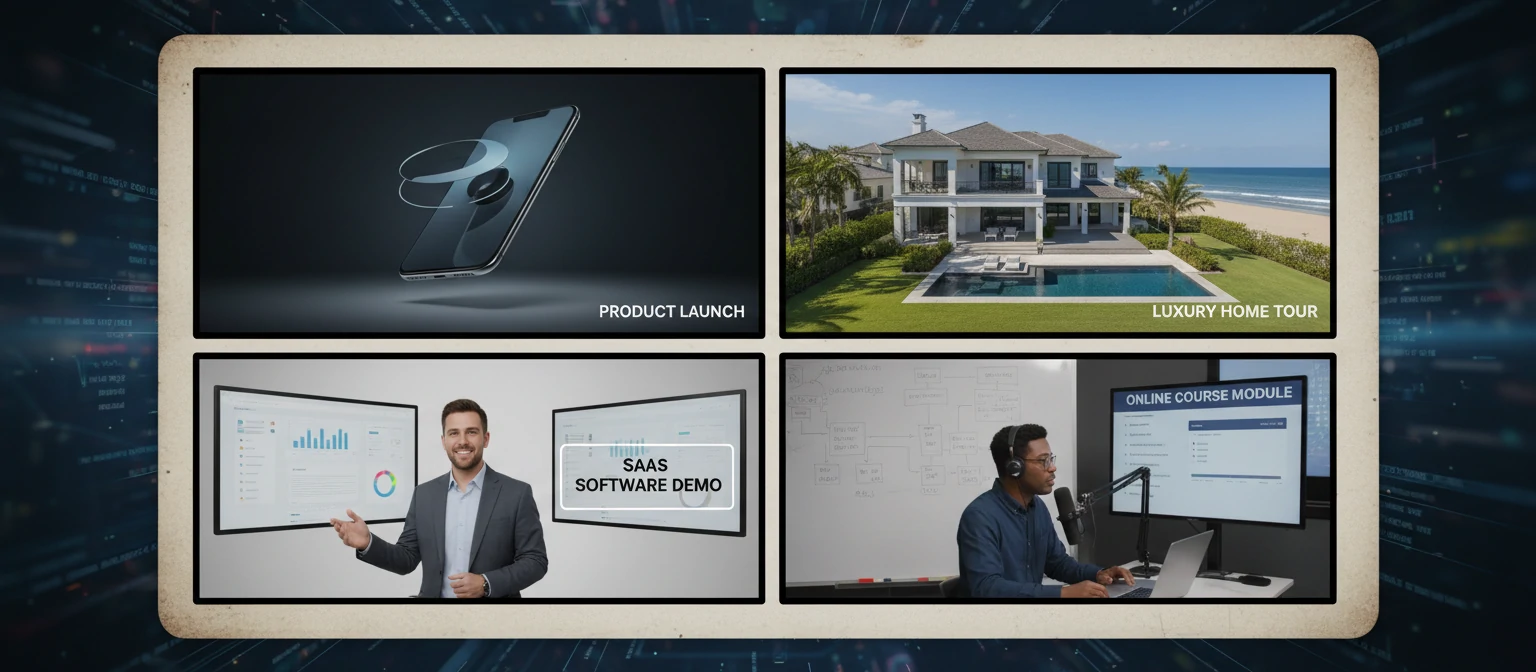
While virtually every business can benefit from professional video editing, certain industries see particularly strong returns on their video investment:
E-commerce & DTC Brands
Product demos, unboxing videos, and social ads drive conversions. Professional editing makes products look premium and builds buyer confidence.
Real Estate
Property tours, agent introductions, and neighborhood highlights. Professional editing makes listings stand out in competitive markets.
SaaS & Technology
Product demos, explainer videos, and customer testimonials. Complex features become accessible through well-edited visual explanations.
Online Education
Course creators and coaches need polished content that maintains student engagement. Professional editing improves completion rates.
Healthcare
Patient education, procedure explanations, and provider introductions. Trust-building content requires polish and professionalism.
Marketing Agencies
White-label video editing allows agencies to offer video services without building in-house teams, expanding service offerings profitably.
10. Future Trends in Video Editing
The video editing industry is evolving rapidly. Understanding emerging trends helps you choose agencies positioned for the future and make informed decisions about your video strategy:
AI-Assisted Editing
AI tools are automating tedious tasks like rough cuts, transcription, and caption generation. Progressive agencies use AI to increase efficiency while applying human creativity where it matters most.
Vertical & Short-Form Dominance
TikTok, Reels, and Shorts have made vertical video essential. Agencies are developing specialized workflows for repurposing horizontal content into multiple vertical formats efficiently.
Remote Collaboration Tools
Cloud-based editing, real-time collaboration, and advanced review platforms are making location irrelevant. Global talent pools and asynchronous workflows are becoming standard.
Data-Driven Editing
Analytics integration allows editors to make decisions based on viewer retention data. Agencies are increasingly optimizing edits for specific platform algorithms and audience behavior patterns.
Subscription Economy Growth
The "unlimited editing" subscription model is expanding rapidly, driven by consistent content demands from marketing teams and creators who need predictable budgeting.
Frequently Asked Questions
How long does video editing typically take?
Turnaround depends on video length and complexity. Simple social content may be completed in 24-48 hours. Standard YouTube videos typically take 3-5 business days. Complex corporate or commercial projects can require 1-3 weeks.
Should I hire a freelancer or an agency?
Freelancers offer lower costs and personal attention but limited capacity and potential availability issues. Agencies provide reliability, diverse expertise, and scalability—but at higher costs. For consistent, ongoing needs, agencies often prove more dependable.
What if I have my own music or assets?
Most agencies welcome client-provided assets. Just ensure you have proper licensing for any music, footage, or graphics you supply. Agencies typically aren't liable for licensing issues with client-provided materials.
Can agencies help with video strategy, not just editing?
Many full-service agencies offer creative direction, content strategy, and production consulting. Pure editing agencies typically focus on post-production only. Clarify scope during your initial discussions.
How do I send large video files?
Agencies use various transfer methods: Dropbox, Google Drive, WeTransfer, Frame.io, or proprietary upload portals. For very large projects, some accept hard drives shipped via courier. Your agency will provide specific instructions.
What's the difference between color correction and color grading?
Color correction fixes technical issues—exposure, white balance, matching shots. Color grading is creative—establishing a cinematic look, mood, or visual style. Correction is usually included; grading may be an add-on service.