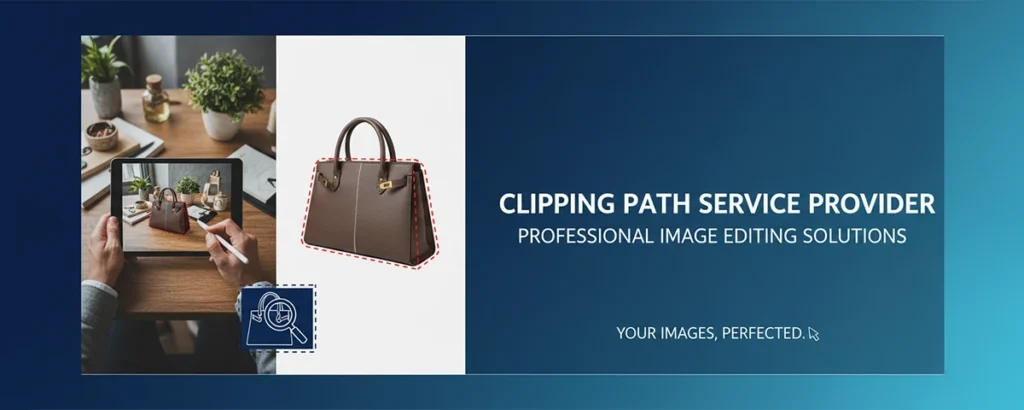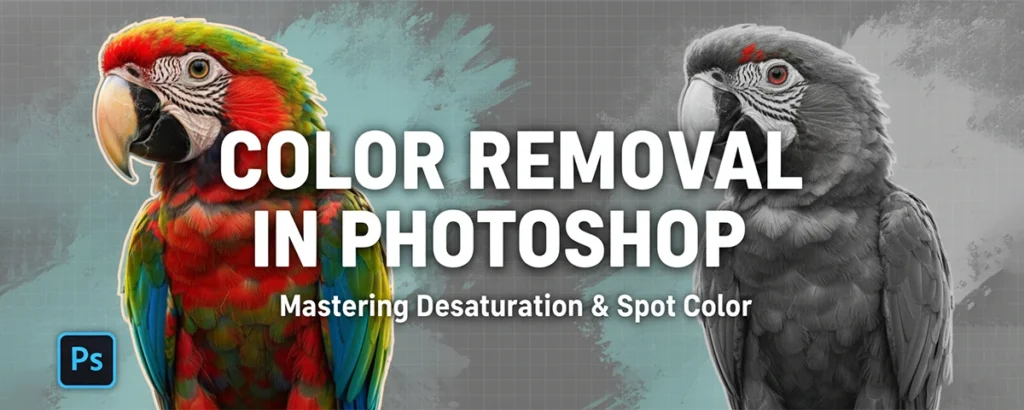

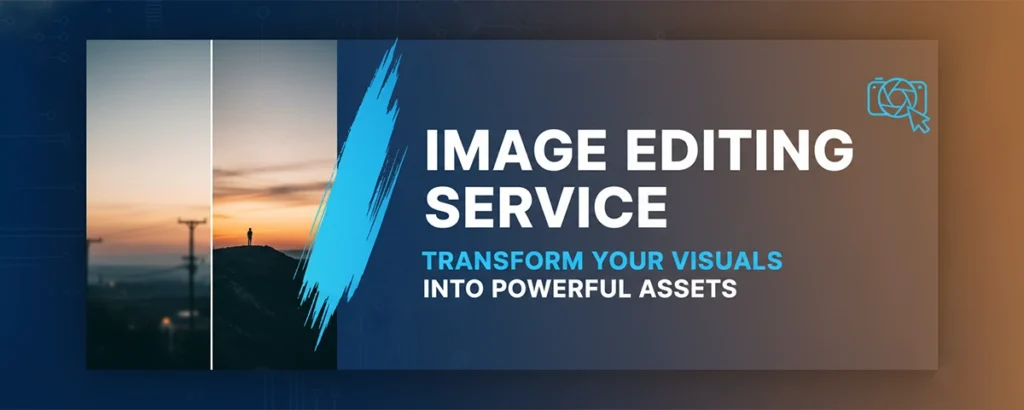
From e-commerce product photos to portrait retouching and creative composites, professional image editing services help businesses and individuals achieve visual perfection. Learn what they offer and how to choose wisely.
What Is an Image Editing Service?
An image editing service is a professional offering that enhances, corrects, manipulates, or transforms photographs and digital images to meet specific quality standards or creative visions. These services range from basic retouching and color correction to complex compositing, background removal, and photo manipulation.
Businesses rely on image editing services for product photography, marketing materials, website imagery, and social media content. Photographers use them to streamline post-processing. Individuals seek them for portrait enhancement, photo restoration, and creative projects.
The demand for professional image editing has skyrocketed with the visual-first nature of digital marketing. In an era where consumers scroll through hundreds of images daily, quality visuals aren't optional—they're competitive necessities.
Why Outsource Image Editing?
Professional editing software like Photoshop requires significant skill and time to master. Outsourcing to specialists offers access to expert-level work at a fraction of the cost of hiring in-house—with faster turnaround and consistent quality.
Types of Image Editing Services
Professional image editing encompasses many specializations. Here are the most common.
E-commerce & Product Editing
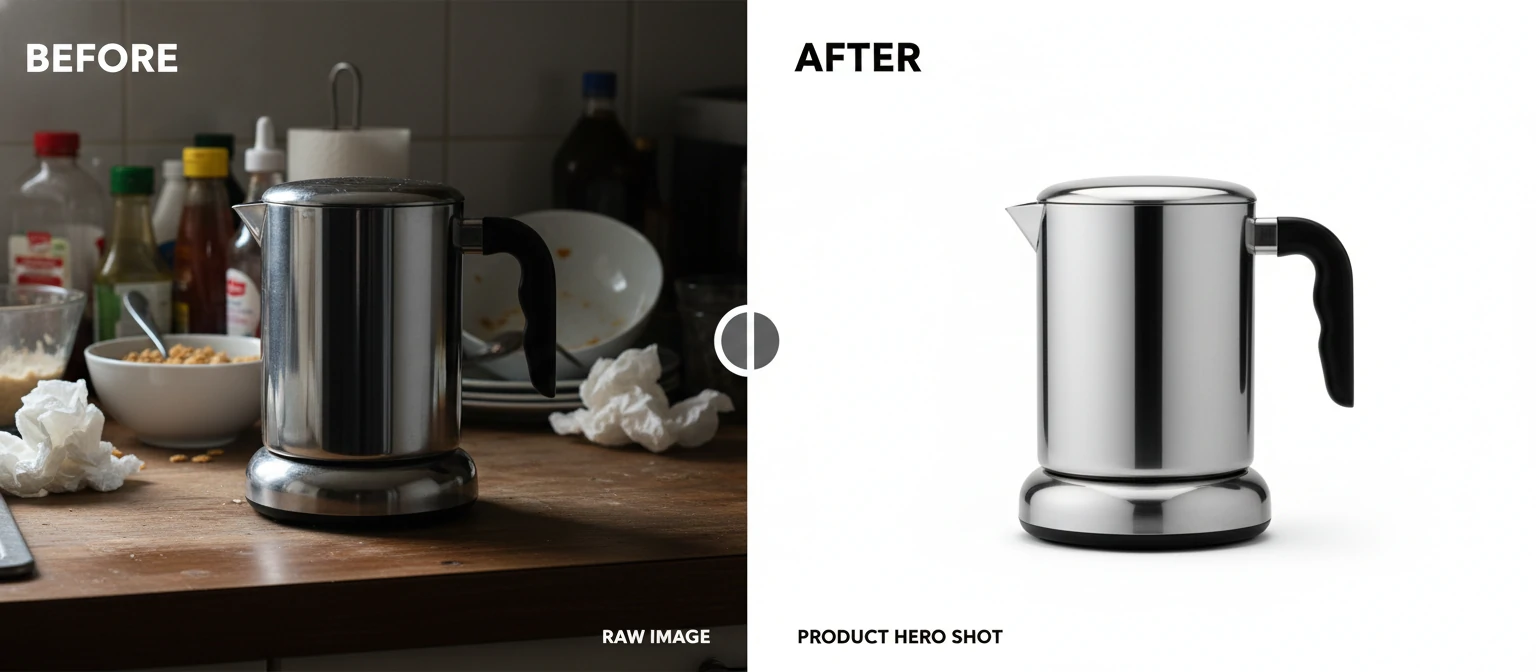
Background removal/replacement, color correction, shadow creation, ghost mannequin effects, product retouching, and multi-angle compositing. Essential for Amazon, Shopify, and online marketplaces.
- White/transparent background
- Size and alignment consistency
- Bulk processing capability
Portrait & Beauty Retouching
Skin smoothing, blemish removal, teeth whitening, eye enhancement, hair editing, body shaping, and makeup enhancement. Used by photographers, agencies, and individuals.
- Natural vs. high-end retouching styles
- Headshot and corporate portrait
- Fashion and editorial
Real Estate Photo Editing
HDR blending, sky replacement, lawn enhancement, virtual staging, perspective correction, and twilight conversion. Critical for property listings and real estate marketing.
- Interior and exterior enhancement
- Virtual furniture staging
- Aerial/drone photo editing
Creative & Composite Work
Photo manipulation, surreal compositing, artistic effects, multi-image merging, and digital art creation. For advertising campaigns, concept art, and creative projects.
- Advertising campaign imagery
- Book covers and album art
- Fantasy and conceptual work
How Image Editing Services Work
Upload Your Images
Most services accept images via secure file upload (FTP, Dropbox, Google Drive, or proprietary portals). For high-volume clients, automated folder syncing is often available. Typically all major formats are supported: RAW, JPEG, PNG, TIFF, PSD.
Specify Your Requirements
Provide clear instructions: What edits are needed? What's the final use case? Any reference images? Detailed briefs lead to better first-draft results and fewer revisions. Many services offer preset editing profiles for consistency.
Professional Editing
Skilled editors work on your images using industry-standard tools like Adobe Photoshop, Lightroom, and Capture One. Quality control processes ensure consistency across batches—especially important for product photography or brand imagery.
Review & Revisions
You receive edited images for review. Most services include 1-3 free revision rounds. Provide specific, clear feedback referencing individual images. Once approved, you receive final high-resolution exports.
Download & Use
Final images are delivered in your specified formats and sizes. Services often provide multiple outputs per image (e.g., web-optimized and print-ready). Files are available for download via the same secure channels used for upload.
Industries That Rely on Image Editing
E-commerce
Product photos need white backgrounds, consistent lighting, and size standardization for Amazon, eBay, Shopify, and other platforms.
Professional Photography
Wedding, portrait, and event photographers outsource editing to deliver more images faster without sacrificing quality.
Real Estate
Property listings with enhanced photos and virtual staging sell faster and at higher prices. A must for agents and developers.
Marketing & Advertising
Campaign visuals, social media content, and website imagery all require professional editing for brand consistency and impact.
Fashion & Apparel
Ghost mannequin effects, color matching across lines, and catalog-ready imagery. Fashion moves fast and needs rapid turnaround.
Jewelry
Highly reflective surfaces and fine details require specialized editing. Sparkle enhancement and precision retouching are common needs.
Image Editing Service Pricing
Pricing typically scales with complexity and volume. Here are common ranges.
Per image. Color correction, cropping, exposure adjustment, basic cleanup.
Per image. Background removal, retouching, shadow creation, product enhancement.
Per image. Compositing, high-end retouching, virtual staging, photo manipulation.
💡 Volume Discounts Are Standard
Most services offer significant discounts for bulk orders. A 500-image product shoot might cost 40-60% less per image than a 10-image order. Monthly retainers and annual contracts offer even better rates for consistent high-volume clients.
How to Choose an Image Editing Service
1. Evaluate Quality Samples
Request samples or a free trial. Look at edge quality on cutouts, skin retouching naturalness, color accuracy, and attention to detail. Quality inconsistency across samples is a red flag.
2. Check Turnaround Times
Can they meet your deadlines consistently? Fast turnaround (12-24 hours) is valuable for time-sensitive work, but not at the expense of quality. Understand their capacity limits.
3. Verify Security & Confidentiality
Your images may be proprietary. Ensure they have secure transfer methods, data protection policies, and signed NDAs for sensitive work (especially pre-launch product photos).
4. Assess Communication Quality
Responsive, clear communication prevents costly mistakes. Do they respond quickly? Do they ask clarifying questions? A dedicated account manager is a plus for ongoing relationships.
5. Understand Revision Policies
How many revisions are included? How quickly are they processed? What counts as a "revision" vs. a new request? Clear policies prevent disputes and unexpected costs.
Frequently Asked Questions
What file formats should I send?
For best results, send RAW or TIFF files when available. These contain maximum data for editing. JPEG is acceptable but offers less flexibility for major adjustments. Communicate your preferred output format as well.
Can I get consistent editing across thousands of images?
Yes. Professional services use editing presets, style guides, and QC processes to ensure consistency. Provide reference images and clear specifications, especially for e-commerce catalogs.
How do you handle confidential images?
Reputable services offer secure file transfer (encrypted connections), NDA agreements, restricted access to files, and prompt deletion after project completion. Always ask about their data security practices.
What's the typical turnaround time?
Basic edits: 12-24 hours. Standard editing: 24-48 hours. Complex work: 3-5 business days. Rush services are usually available for an additional fee. Volume orders naturally take longer.