
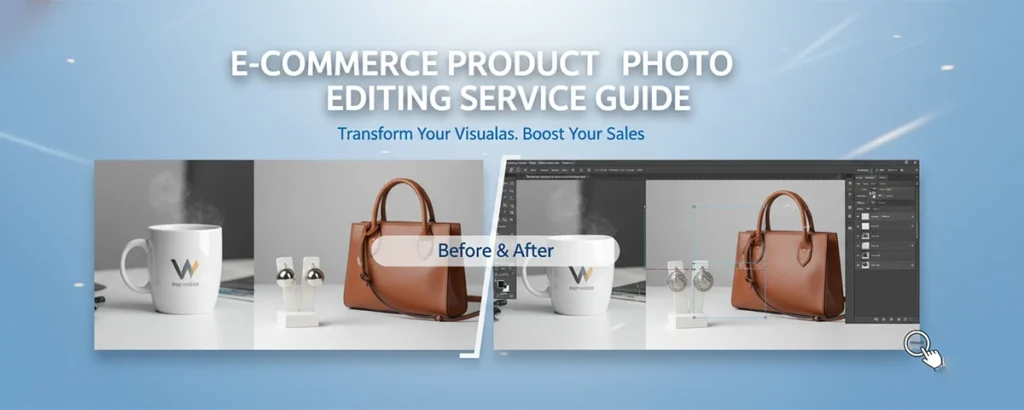
Everything You Need to Know to Transform Your Product Images and Boost Sales
🖼️ What Are Product Photo Editing Services?
Product photo editing services transform raw product images into professional, sales-ready visuals through background removal, color correction, retouching, and optimization for e-commerce platforms. These services help businesses present products in their best light, increasing conversions by up to 40%.
Table of contents
- 🖼️ What Are Product Photo Editing Services?
- 1. Why Product Photo Editing Matters
- 2. Types of Editing Services
- 3. Pricing Models & Costs
- 4. How to Choose a Provider
- 5. Platform-Specific Requirements
- 6. The Editing Workflow Process
- 7. DIY vs Outsourcing
- 8. Industry-Specific Solutions
- 9. Quality Control Best Practices
- 10. Future Trends in Product Editing
- Frequently Asked Questions
Key Takeaways
- Professional product images can increase conversion rates by 30-40%
- Basic editing starts at $0.25/image; complex retouching can reach $10+/image
- Amazon, eBay, and Shopify each have specific image requirements
- Turnaround times typically range from 12 hours to 5 business days
- Quality services offer revision rounds and satisfaction guarantees
In e-commerce, your product images are your storefront. Unlike physical retail where customers can touch, feel, and examine products, online shoppers rely entirely on visuals to make purchasing decisions. Studies consistently show that product image quality directly impacts conversion rates, return rates, and brand perception.
Yet many e-commerce businesses—from solo entrepreneurs to established brands—struggle with product photography. The gap between smartphone snapshots and professional catalog-worthy images seems vast. This is exactly where product photo editing services come in, bridging that gap affordably and efficiently. This comprehensive guide covers everything you need to know to leverage these services for your business success.
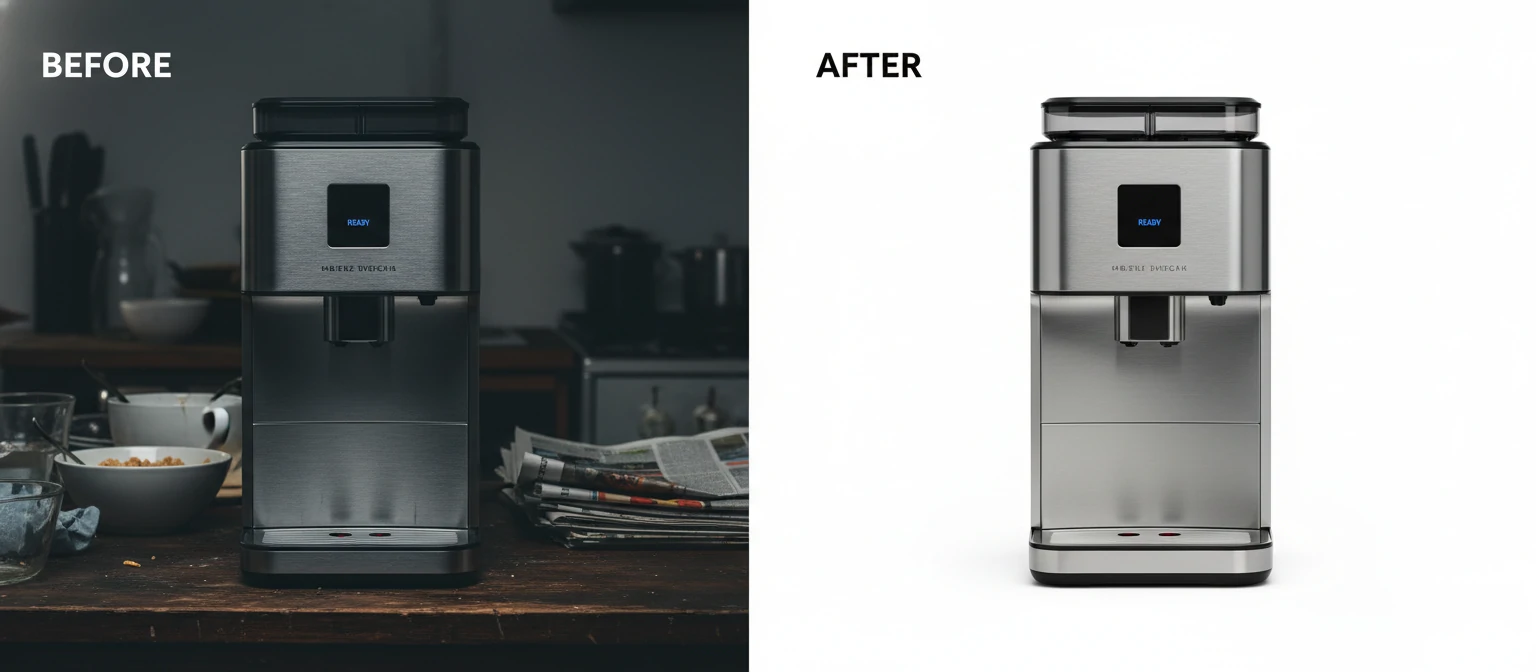
1. Why Product Photo Editing Matters
The impact of product image quality on e-commerce performance isn't just anecdotal—it's backed by extensive research and real-world data from major platforms. Understanding this impact helps justify the investment in professional editing services.
The Statistics That Matter
The Business Impact
Increased Revenue
Quality images directly correlate with higher conversion rates. Businesses investing in professional product photography report revenue increases of 25-40% compared to using amateur images.
Reduced Returns
Accurate, detailed product images set proper expectations. When customers receive exactly what they saw online, return rates drop significantly—saving money on shipping, restocking, and customer service.
Brand Perception
Consistent, professional imagery builds trust and positions your brand as credible and established. Customers subconsciously associate image quality with product quality.
💡 Real-World Example
A medium-sized apparel brand switching from in-house photography to professional editing services reported: 35% increase in add-to-cart rate, 28% reduction in product-related returns, and improved Amazon search ranking due to image quality compliance.
2. Types of Editing Services
Product photo editing encompasses a range of services, from simple background removal to complex composite creation. Understanding what's available helps you request exactly what your products need.
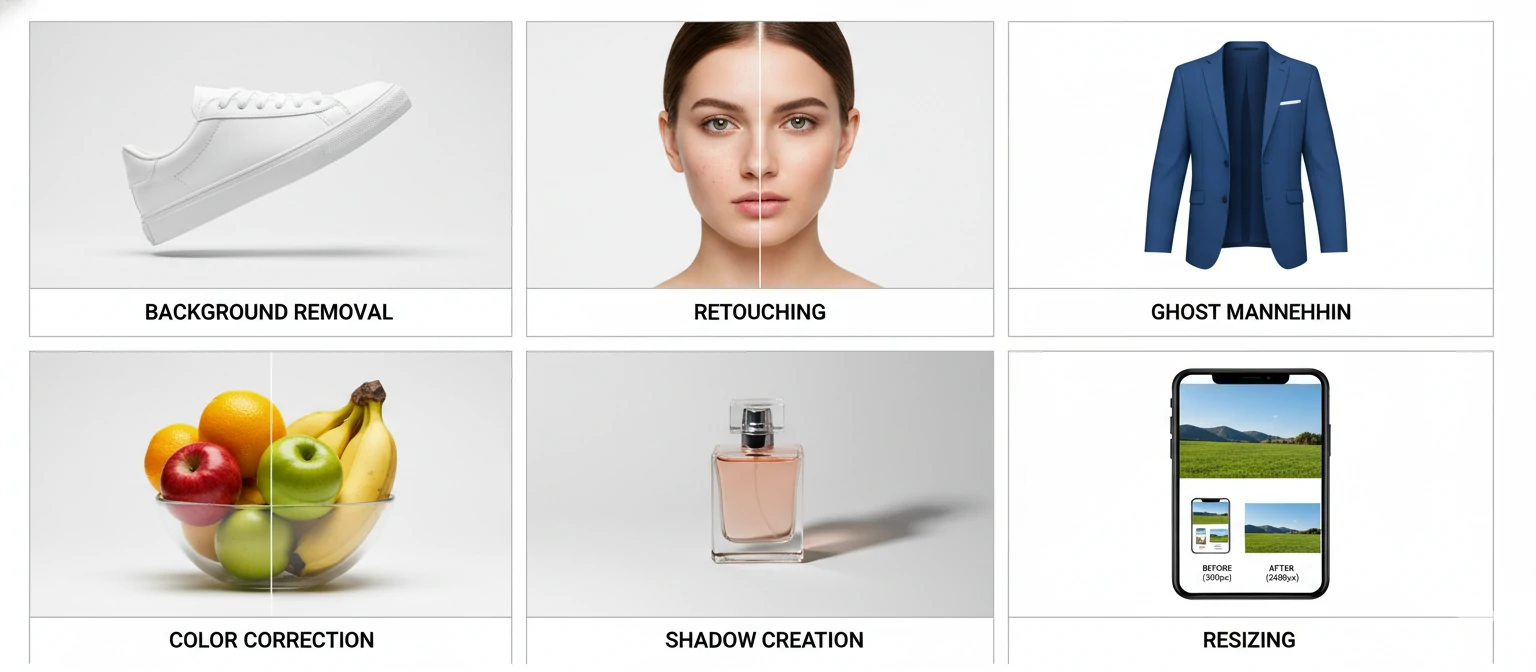
✂️ Background Removal & Replacement
The most requested service. Removes existing backgrounds and replaces with pure white, transparent, or custom backgrounds. Essential for marketplace compliance and consistent catalog appearance.
🎨 Color Correction & Matching
Ensures product colors appear accurate and consistent across all images. Corrects white balance issues, matches colors to physical products, and maintains consistency across product variants.
✨ Retouching & Enhancement
Removes imperfections like dust, scratches, wrinkles, and blemishes. Enhances product appearance while maintaining realistic representation. Critical for jewelry, apparel, and luxury goods.
🔲 Shadow Creation
Adds natural-looking shadows to products on white backgrounds, creating depth and preventing the "floating" appearance. Options include drop shadows, reflection shadows, and natural shadows.
👕 Ghost Mannequin / Invisible Mannequin
Removes mannequins from apparel photos while maintaining the 3D shape of clothing. Creates the illusion of an invisible wearer, showing the garment's fit and interior details.
📐 Image Resizing & Optimization
Prepares images for specific platforms with correct dimensions, file sizes, and formats. Includes cropping, padding, and compression for fast loading without quality loss.
3. Pricing Models & Costs
Understanding pricing helps you budget appropriately and compare providers. Product photo editing services use several pricing models depending on volume, complexity, and service type.
| Service Type | Budget | Mid-Range | Premium |
|---|---|---|---|
| Basic Background Removal | $0.25-0.50 | $0.50-1.50 | $1.50-3.00 |
| Complex Background (hair/fur) | $1.00-2.00 | $2.00-4.00 | $4.00-8.00 |
| Color Correction | $0.30-0.75 | $0.75-2.00 | $2.00-4.00 |
| Product Retouching | $1.00-2.50 | $2.50-5.00 | $5.00-15.00 |
| Ghost Mannequin | $1.50-3.00 | $3.00-6.00 | $6.00-12.00 |
| Shadow Creation | $0.25-0.50 | $0.50-1.50 | $1.50-3.00 |
Alternative Pricing Models
📦 Package Deals
Pre-purchased bundles of images at discounted rates. Example: 100 images at $0.80/each vs $1.20 individual. Best for predictable, recurring volumes.
🔄 Monthly Subscriptions
Fixed monthly fee for a set number of images. Ranges from $99/month for 50 images to $999+/month for unlimited. Ideal for consistent, ongoing needs.
⏱️ Hourly Rates
Charged by time for complex or unpredictable work. Ranges from $15-75/hour depending on editor expertise. Common for custom composite work.
🏢 Enterprise Contracts
Custom pricing for large-volume clients. Includes dedicated editors, priority turnaround, and account management. Negotiated based on volume and requirements.
⚠️ Hidden Costs to Watch
- Rush delivery fees (often 50-100% premium)
- Revision charges beyond included rounds
- Additional file format fees
- Minimum order requirements
- File storage or download limits
4. How to Choose a Provider
With hundreds of product photo editing services available, choosing the right one requires careful evaluation. Here's a systematic approach to finding your ideal partner.
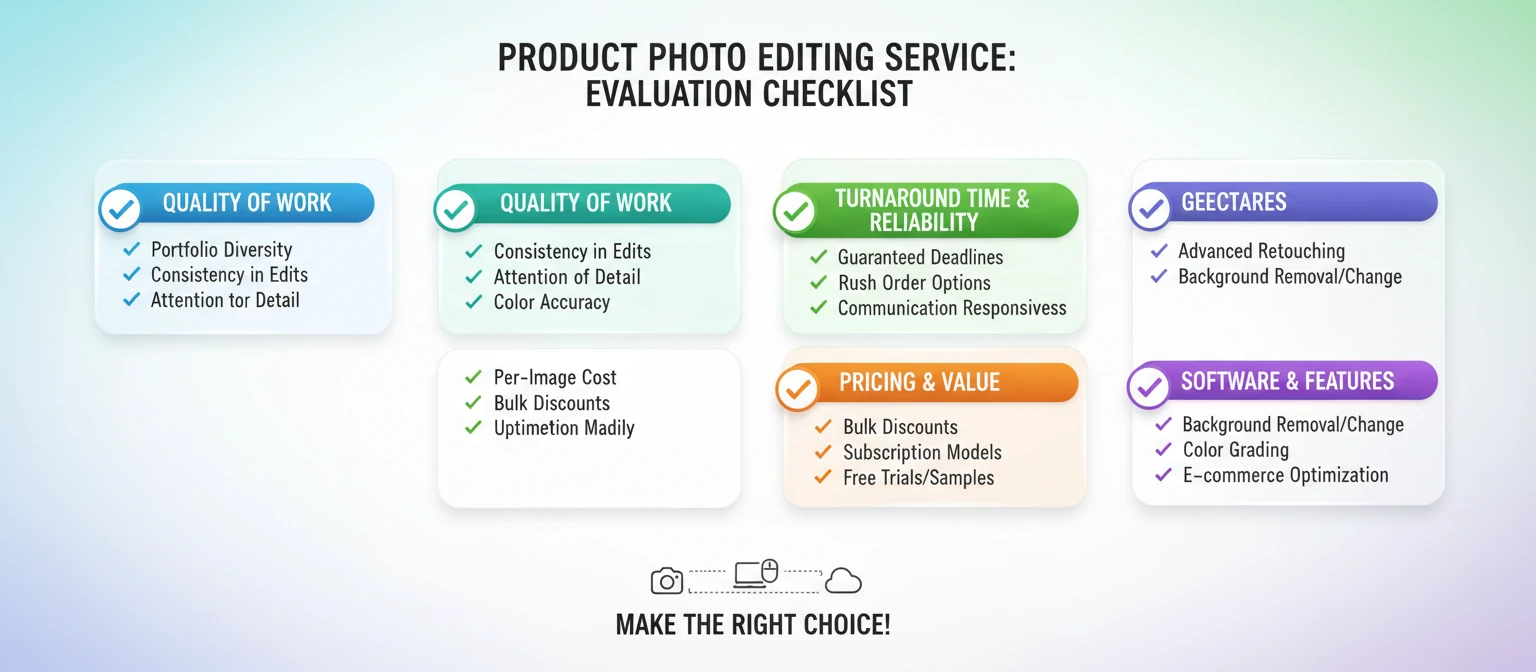
📁 Review Their Portfolio
Look for examples similar to your product type. A service excellent at jewelry may struggle with apparel. Request samples of work matching your industry and complexity level.
🧪 Request a Free Trial
Most reputable services offer free test edits. Submit 3-5 images representing your typical work. Evaluate quality, turnaround, and communication before committing.
⏰ Check Turnaround Times
Ensure their standard delivery matches your needs. Ask about rush options and associated costs. Consider time zone differences for international providers.
🔄 Understand Revision Policy
Quality providers include revision rounds. Clarify how many are included, what constitutes a revision, and costs for additional changes.
📞 Test Their Communication
Responsive communication is crucial. Test response times before signing up. Look for multiple contact methods: email, chat, phone.
📊 Evaluate Scalability
Can they handle volume increases during peak seasons? Ask about capacity and whether quality remains consistent at higher volumes.
5. Platform-Specific Requirements
Different e-commerce platforms have specific image requirements. Non-compliant images can result in listing suppression or reduced visibility. Quality editing services understand these specifications.
Amazon Requirements
- Main image: pure white background (RGB 255,255,255)
- Minimum 1000px on longest side (1600px+ recommended for zoom)
- Product must fill 85% of image frame
- No text, logos, watermarks, or borders on main image
- JPEG, PNG, GIF, or TIFF format
eBay Requirements
- Minimum 500px on longest side (1600px recommended)
- White or light gray background preferred
- No borders, text overlays, or marketing graphics
- Maximum 12 images per listing
- JPEG format preferred, under 12MB
Shopify Recommendations
- 2048 x 2048px square images optimal
- Consistent aspect ratio across all products
- File size under 20MB, but optimize for speed
- Alt text recommended for SEO
- JPEG for photos, PNG for transparency
Etsy Guidelines
- Minimum 2000px on shortest side
- First image should be the product alone
- Lifestyle images encouraged for secondary slots
- Up to 10 images per listing
- JPEG, PNG, or GIF format
6. The Editing Workflow Process
Understanding the typical workflow helps you prepare your images and set proper expectations for turnaround and results.
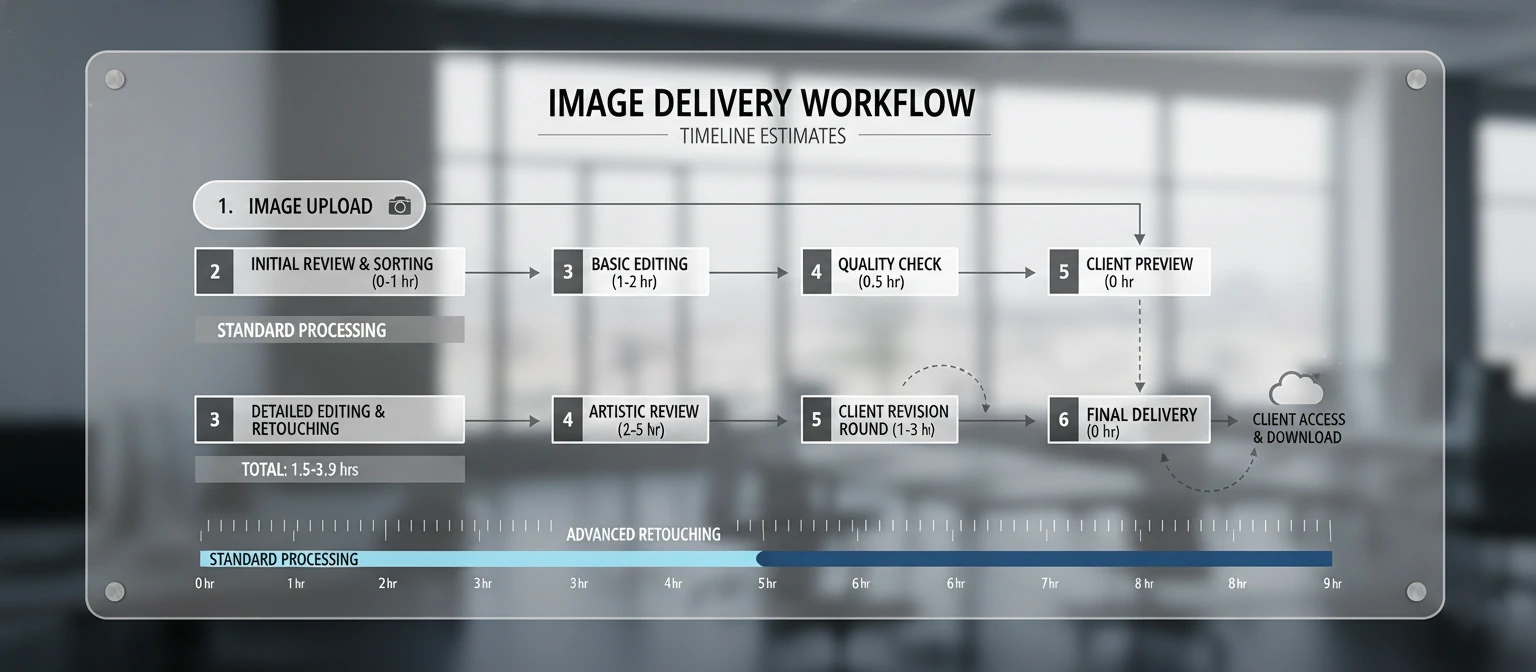
Image Upload
You upload raw images via the service's portal, FTP, or cloud integration. Include a style guide or reference images for desired outcome.
Order Specification
Specify required services, output dimensions, file formats, and any special instructions. Clear briefs reduce revision needs.
Quality Control Check
Service reviews images for quality issues that might affect editing (extreme blur, missing areas, etc.) and may request reshoots if necessary.
Editing Production
Professional editors process your images according to specifications. Complex work may be handled by specialized team members.
Internal QC Review
Quality assurance team reviews all edited images before delivery, checking for consistency, accuracy, and technical specifications.
Delivery
Edited images are delivered via download link, cloud sync, or direct platform integration. Files are typically available for 30-90 days.
Revisions (if needed)
You review and request changes. Most services include 1-3 revision rounds at no extra cost. Additional rounds may incur fees.
7. DIY vs Outsourcing
Deciding whether to edit in-house or outsource depends on your volume, complexity, budget, and internal capabilities. Here's a detailed comparison:
🏠 DIY / In-House
✅ Pros
- Complete creative control
- Instant turnaround for urgent needs
- No per-image costs (after software)
- Build internal expertise
❌ Cons
- Learning curve for quality results
- Time-consuming, especially at scale
- Software costs ($20-60/month)
- Inconsistency risk
🏢 Outsourcing
✅ Pros
- Professional-quality results
- Scalable for any volume
- Frees time for core business
- Consistent output quality
❌ Cons
- Per-image costs add up
- Turnaround time (12-48 hours)
- Communication overhead
- Finding the right provider
📊 When to Outsource
Outsourcing typically makes sense when: you process 50+ images monthly, your time is worth more than editing costs, you need consistent professional quality, or you're scaling rapidly. Most businesses break even on outsourcing at around 30-50 images per month.
8. Industry-Specific Solutions
Different product categories have unique editing needs. Quality services offer specialized expertise for various industries:
Fashion & Apparel
Ghost mannequin, wrinkle removal, fabric texture preservation, color matching across sizes, model retouching.
Jewelry & Watches
High-end retouching, reflection control, metal and gemstone enhancement, dust removal, scale accuracy.
Electronics
Screen content insertion, reflection management, cable/port detail, multiple angle consistency, size comparisons.
Furniture & Home
Room scene compositing, shadow work, dimension visualization, material texture enhancement, lifestyle staging.
Food & Beverage
Appetizing color enhancement, condensation effects, steam addition, ingredient highlighting, packaging clarity.
Beauty & Cosmetics
Color accuracy critical, packaging reflection control, texture enhancement, model skin retouching, shade consistency.
9. Quality Control Best Practices
Ensuring consistent quality requires systematic processes, whether you're editing in-house or working with a service provider.
Quality Checklist
Technical Quality
- Clean edges on cutouts
- No halos or fringing
- Proper resolution
- Correct color space
- Optimal file size
Visual Consistency
- Uniform lighting appearance
- Consistent shadow direction
- Matching color temperature
- Similar positioning/framing
- Brand style adherence
Platform Compliance
- Required dimensions met
- Background color correct
- Fill requirements satisfied
- Format specifications
- Naming conventions
✅ Pro Tip: Create a Style Guide
Document your image standards in a style guide: background color codes, shadow specifications, margin requirements, and example images. Share this with editing services for consistent results from day one.
10. Future Trends in Product Editing
The product photo editing industry is evolving rapidly with new technologies and changing consumer expectations. Here's what's shaping the future:
AI-Powered Automation
Machine learning is automating background removal, color correction, and even complex retouching. Services using AI deliver faster turnaround at lower costs while reserving human editors for quality control and complex work.
3D & AR Integration
Product images are increasingly being converted to 3D models for augmented reality experiences. Editing services are expanding to include 3D modeling and AR-ready asset creation.
Video Product Content
Static images are being supplemented with video clips. Editing services now offer 360° spins, feature highlight videos, and short-form content editing for social commerce.
Direct Platform Integration
Services are integrating directly with Shopify, Amazon, and other platforms for seamless upload. Automated workflows reduce manual steps and ensure specification compliance.
Frequently Asked Questions
How long does product photo editing typically take?
Standard turnaround is 24-48 hours for most services. Rush delivery (same-day or 12 hours) is available at premium pricing. Complex retouching or high volumes may require 3-5 business days.
What image quality do I need to provide?
Higher resolution is always better. Minimum 1500px on the longest side for basic editing; 3000px+ for detailed retouching. Well-lit, in-focus images yield the best results—editing can't fix extreme blur or underexposure.
Can editing fix a poorly photographed product?
Editing can correct many issues: exposure, color, minor blur, and background problems. However, severely out-of-focus images, extreme shadows, or missing product details typically require reshooting for best results.
Do I own the edited images?
Yes. Reputable services transfer full rights to edited images upon payment. You provided the source material; they provided the service. Always confirm ownership terms before engaging any provider.
How do I ensure color accuracy?
Include a color reference (like a ColorChecker) in test shots. Provide physical samples or Pantone codes for critical colors. Request calibrated monitor work and review on a calibrated display yourself.
What if I'm not satisfied with the results?
Quality services include revision rounds (typically 1-3). Communicate specific changes needed. If fundamental quality issues persist after revisions, reputable providers offer refunds or credits.