
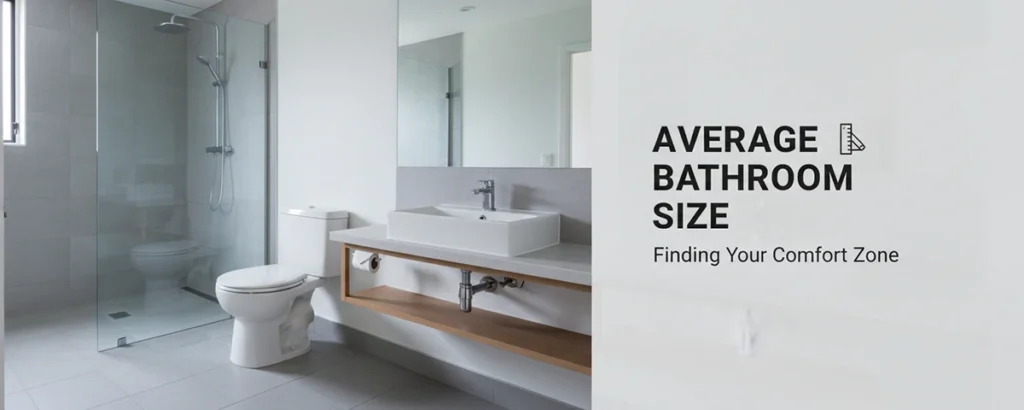
Your Complete Guide to Planning, Designing, and Optimizing Bathroom Spaces
Introduction
Welcome to the most comprehensive guide on average bathroom size available today. Whether you're a homeowner planning a renovation, a designer working on a new project, or simply curious about bathroom dimensions, understanding average bathroom size is crucial for creating functional, comfortable, and aesthetically pleasing spaces.
The average bathroom size varies significantly depending on the type of home, geographic location, and intended use. From compact powder rooms measuring just 15 square feet to luxurious master bathrooms spanning over 100 square feet, bathroom dimensions play a critical role in determining functionality, comfort, and overall home value.
🎯 What You'll Learn in This Guide
This comprehensive article covers everything you need to know about average bathroom sizes, including standard measurements, design considerations, space optimization techniques, and practical solutions for common challenges. By the end of this guide, you'll have the knowledge and tools to make informed decisions about your bathroom space, whether you're planning a new construction or renovating an existing bathroom.
Understanding average bathroom size benefits various audiences in different ways. Homeowners can make better renovation decisions and maximize their investment. Interior designers can create more functional layouts that meet client expectations. Real estate professionals can better assess property values and market appeal. Contractors can provide more accurate estimates and recommendations to their clients.
Understanding Average Bathroom Size
What Does Average Bathroom Size Mean?
Average bathroom size refers to the typical dimensions and square footage of bathrooms in residential and commercial properties. These measurements serve as industry benchmarks and help establish expectations for space planning, fixture placement, and overall functionality.
Standard Bathroom Measurements and Variations
The average bathroom size in American homes has evolved significantly over the past decades. Today's bathrooms are generally larger than those built in previous generations, reflecting changing lifestyle preferences and increased emphasis on comfort and luxury.
| Bathroom Type | Average Size (sq ft) | Typical Dimensions | Common Features |
|---|---|---|---|
| Powder Room | 15-25 sq ft | 3' × 5' to 4' × 6' | Toilet, sink |
| Half Bath | 18-32 sq ft | 3' × 6' to 4' × 8' | Toilet, sink, storage |
| Three-Quarter Bath | 30-48 sq ft | 5' × 6' to 6' × 8' | Toilet, sink, shower |
| Full Bath | 36-48 sq ft | 5' × 7' to 6' × 8' | Toilet, sink, tub/shower combo |
| Master Bath | 100-200 sq ft | 10' × 10' to 12' × 16' | Double vanity, separate tub/shower, toilet area |
Benefits of Knowing Average Bathroom Sizes
Understanding average bathroom size provides numerous advantages for space planning and renovation considerations. When you know industry standards, you can make informed decisions about fixture placement, storage solutions, and overall layout efficiency.
💡 Key Benefits Include:
- Better Budget Planning: Accurate size estimates help determine material quantities and labor costs
- Improved Functionality: Proper space allocation ensures comfortable movement and fixture accessibility
- Enhanced Resale Value: Bathrooms that meet or exceed average size expectations appeal to more buyers
- Code Compliance: Understanding minimum size requirements helps ensure building code compliance
- Design Optimization: Knowing space constraints helps prioritize features and fixtures
Residential vs. Commercial Bathroom Considerations
The average bathroom size differs significantly between residential and commercial applications. Commercial bathrooms must accommodate higher traffic volumes and comply with accessibility requirements, typically resulting in larger dimensions and different layout considerations.
Residential bathrooms prioritize comfort, privacy, and personal preferences, while commercial bathrooms focus on efficiency, durability, and accessibility. Understanding these differences is crucial when planning bathroom spaces for different applications.
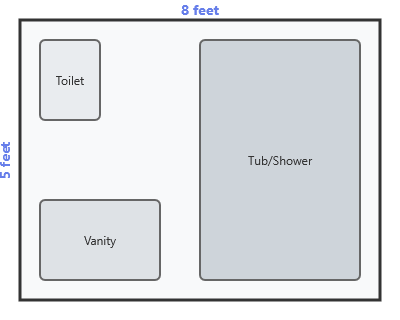
Standard Full Bathroom Layout (5' × 8' = 40 sq ft)
Getting Started with Bathroom Planning
Essential Steps for Assessing Bathroom Space
Before diving into bathroom design or renovation, it's crucial to properly assess your available space and understand how it compares to average bathroom size standards. This assessment forms the foundation for all subsequent planning decisions.
🔧 Bathroom Size Calculator
Calculate your bathroom's square footage and see how it compares to average sizes:
Step-by-Step Measurement Guide
Accurate measurements are essential for comparing your space to average bathroom size standards and planning effective layouts. Follow these detailed steps to measure your bathroom correctly:
📏 Measurement Process:
- Step 1: Clear the bathroom of all moveable items and accessories
- Step 2: Measure the length of the longest wall from corner to corner
- Step 3: Measure the width of the room perpendicular to the length
- Step 4: Note any alcoves, closets, or irregular shapes that affect usable space
- Step 5: Measure ceiling height to determine vertical space availability
- Step 6: Document door and window locations and dimensions
- Step 7: Record the location of existing plumbing and electrical connections
Planning Considerations Based on Average Sizes
Once you understand your bathroom's dimensions relative to average bathroom size standards, you can begin planning improvements and optimizations. Different size categories require different approaches to maximize functionality and comfort.
For bathrooms smaller than average, focus on space-saving fixtures and clever storage solutions. For average-sized bathrooms, you have more flexibility in fixture selection and layout options. Larger bathrooms offer opportunities for luxury features and enhanced comfort amenities.
🎯 Planning Priorities by Size Category
Small Bathrooms (Under 30 sq ft): Prioritize essential fixtures, maximize vertical storage, choose compact fixtures, and use light colors to create the illusion of space.
Average Bathrooms (30-50 sq ft): Balance functionality with comfort, consider standard fixture sizes, plan for adequate storage, and ensure proper ventilation.
Large Bathrooms (Over 50 sq ft): Explore luxury features, consider separate zones for different functions, plan for enhanced storage and comfort amenities.
Visual Planning Tools and Techniques
Understanding average bathroom size becomes more practical when you can visualize different layouts and configurations. Modern planning tools and techniques help you experiment with different arrangements before committing to a final design.
Graph paper sketches, online planning tools, and professional design software all offer ways to explore how your space compares to average bathroom size standards and what improvements are possible within your specific dimensions.
Optimizing Average Bathroom Size for Best Results
Maximizing Space in Average-Sized Bathrooms
Even when working with average bathroom size dimensions, there are numerous strategies to maximize functionality, comfort, and visual appeal. The key is understanding how to make every square foot work efficiently while maintaining a sense of openness and style.
Smart Storage Solutions for Average Bathroom Size
Storage is often the biggest challenge in average bathroom size spaces. However, with creative planning and the right solutions, you can significantly increase storage capacity without sacrificing floor space or visual appeal.
🗄️ Effective Storage Strategies:
- Vertical Wall Storage: Install tall cabinets and shelving units that reach toward the ceiling
- Recessed Medicine Cabinets: Utilize wall cavity space for hidden storage
- Over-Toilet Storage: Add shelving or cabinets above the toilet area
- Vanity Optimization: Choose vanities with maximum drawer and cabinet space
- Corner Solutions: Install corner shelves and rotating storage units
- Door-Mounted Storage: Use the back of doors for towel bars and small shelving
- Niche Storage: Create built-in niches in shower areas and walls
Fixture Selection for Optimal Space Usage
Choosing the right fixtures is crucial for making the most of average bathroom size spaces. Modern fixtures are designed with space efficiency in mind, offering full functionality in compact footprints.
Wall-mounted toilets and sinks create the illusion of more floor space while providing easier cleaning access. Corner sinks and compact vanities can fit into tight spaces without sacrificing functionality. Shower-tub combinations maximize bathing options within average bathroom size constraints.
Layout Optimization Techniques
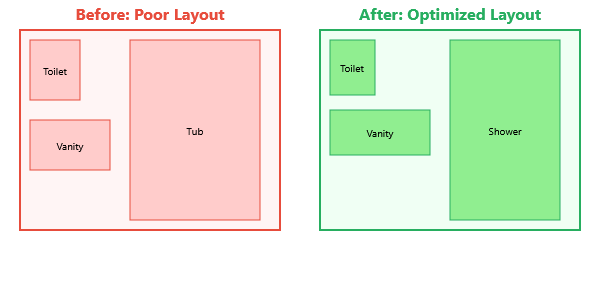
The layout of fixtures within your average bathroom size space dramatically affects both functionality and perceived spaciousness. Strategic placement can create better traffic flow, improve accessibility, and enhance the overall user experience.
Optimized Layout Comparison
Color and Lighting Strategies
Color choices and lighting design significantly impact how spacious an average bathroom size feels. Light colors reflect more light and create an airy atmosphere, while strategic lighting eliminates shadows and highlights the room's best features.
Natural light should be maximized whenever possible, supplemented by layered artificial lighting that includes ambient, task, and accent lighting. Mirrors strategically placed can double the apparent size of average bathroom size spaces by reflecting light and creating visual depth.
🎨 Color and Light Guidelines
Best Colors for Average Bathroom Size: White, light gray, soft blue, pale green, and warm beige create openness. Use darker colors as accents rather than dominant themes.
Lighting Layers: Combine overhead lighting, vanity lighting, and accent lighting. Consider LED strips under floating vanities and behind mirrors for a modern, spacious feel.
Common Challenges and Solutions
Space Constraint Issues
The most frequent challenge when working with average bathroom size spaces is feeling constrained by limited square footage. Many homeowners struggle to fit all desired features and fixtures while maintaining comfortable movement space.
🔧 Space Constraint Solutions:
- Pocket Doors: Replace swing doors with pocket doors to reclaim floor space
- Floating Fixtures: Wall-mounted toilets and vanities create floor space underneath
- Compact Fixtures: Choose space-efficient models without sacrificing functionality
- Multi-Functional Elements: Select fixtures that serve multiple purposes
- Vertical Emphasis: Draw the eye upward with tall storage and vertical tile patterns
Layout and Traffic Flow Problems
Poor traffic flow is a common issue in average bathroom size spaces, often resulting from inadequate planning or trying to fit too many features into the available space. Effective solutions focus on creating clear pathways and logical fixture placement.
The key to solving traffic flow issues is understanding the natural movement patterns within the space and ensuring adequate clearance around each fixture. Building codes specify minimum clearances, but comfortable use often requires additional space.
Storage and Organization Challenges
Insufficient storage is perhaps the most universal complaint about average bathroom size spaces. The challenge lies in finding storage solutions that don't overwhelm the space visually while providing adequate capacity for daily necessities.
📦 Storage Needs Calculator
Estimate your bathroom storage requirements:
Ventilation and Moisture Control
Average bathroom size spaces can be particularly susceptible to moisture problems due to limited air circulation. Proper ventilation is essential for preventing mold, mildew, and structural damage while maintaining air quality.
Modern ventilation solutions include quiet, efficient exhaust fans, humidity-sensing switches, and heat recovery ventilators. The key is selecting appropriately sized equipment for your specific average bathroom size and usage patterns.
Budget Constraints and Cost-Effective Solutions
Renovating average bathroom size spaces often involves working within tight budgets while trying to achieve maximum impact. The challenge is prioritizing improvements that provide the best return on investment in terms of functionality, comfort, and home value.
💰 Budget-Friendly Improvement Priorities
High Impact, Low Cost: Paint, lighting upgrades, new fixtures, and hardware replacement can dramatically improve appearance without major construction.
Medium Investment: Vanity replacement, tile work, and plumbing fixture upgrades provide significant improvements with moderate costs.
Major Investment: Layout changes, electrical work, and structural modifications should be carefully planned for maximum benefit.
Accessibility and Universal Design
Creating accessible bathrooms within average bathroom size constraints requires careful planning and creative solutions. Universal design principles can be incorporated without sacrificing style or functionality.
Key accessibility features include grab bars, comfort-height toilets, barrier-free showers, and adequate maneuvering space. These elements can be integrated seamlessly into average bathroom size designs with proper planning.
Conclusion and Next Steps
Key Takeaways About Average Bathroom Size
Understanding average bathroom size is fundamental to creating functional, comfortable, and valuable bathroom spaces. Throughout this comprehensive guide, we've explored the various aspects of bathroom sizing, from basic measurements to advanced optimization techniques.
The most important insight is that average bathroom size serves as a starting point, not a limitation. Whether your bathroom is smaller or larger than average, the principles of good design, efficient layout, and smart storage solutions can help you create a space that meets your specific needs and preferences.
Action Steps for Your Bathroom Project
Now that you understand the principles of average bathroom size and optimization, it's time to apply this knowledge to your specific situation. Start by accurately measuring your space and comparing it to the average bathroom size standards we've discussed.
🎯 Your Next Steps:
- Measure Your Space: Use our calculator and measurement guide to assess your current bathroom
- Identify Priorities: Determine which aspects of your bathroom need the most improvement
- Set a Budget: Establish realistic financial parameters for your project
- Research Solutions: Explore specific products and techniques that address your challenges
- Plan the Project: Create a timeline and sequence for implementing improvements
- Consider Professional Help: Determine which aspects require professional expertise
Additional Resources and Tools
Your journey to optimize your bathroom space doesn't end here. There are numerous additional resources, tools, and professional services available to help you implement the concepts we've discussed in this average bathroom size guide.
Online design tools, manufacturer websites, and professional consultations can provide specific guidance for your unique situation. Building codes, accessibility guidelines, and local regulations should also be consulted before beginning any major renovation project.
Ready to Transform Your Bathroom?
Take the first step toward creating your ideal bathroom space. Whether you're working with a compact powder room or a spacious master bath, the principles in this guide will help you achieve better functionality, comfort, and style.
Final Thoughts on Average Bathroom Size
Remember that average bathroom size is just one factor in creating a successful bathroom design. Personal preferences, lifestyle needs, and budget considerations are equally important in determining the best approach for your space.
The goal is not necessarily to achieve average bathroom size, but to create a space that works optimally for your specific needs. Whether that means maximizing storage in a small space, improving traffic flow in an average-sized bathroom, or adding luxury features to a larger space, the principles and techniques in this guide provide a solid foundation for success.
By understanding average bathroom size standards and applying the optimization strategies we've discussed, you can create a bathroom that not only meets your daily needs but also adds value to your home and enhances your quality of life.