
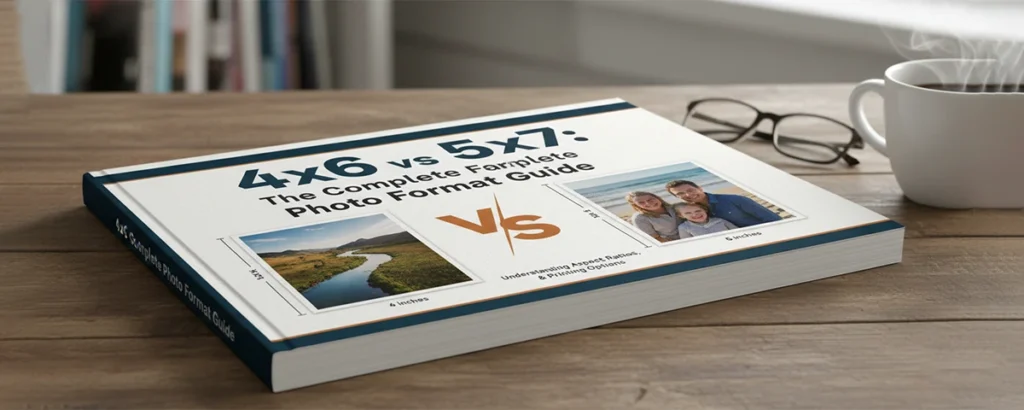
Master the art of choosing the perfect photo print size with our comprehensive comparison guide, interactive tools, and expert insights.
Why 4x6 vs 5x7 Matters More Than You Think
Choosing between 4x6 vs 5x7 photo formats isn't just about size—it's about creating the perfect visual impact for your memories, marketing materials, and artistic expressions. Whether you're a photography enthusiast, small business owner, or someone who simply loves preserving precious moments, understanding these two popular print formats can transform how your images are perceived and displayed.
The difference between 4x6 and 5x7 formats extends far beyond their dimensions. Each format offers unique advantages in terms of visual composition, framing options, cost considerations, and practical applications. This comprehensive guide will equip you with the knowledge to make informed decisions that enhance your photography projects and ensure your images achieve their maximum potential.
What You'll Learn:
- • Detailed comparison of 4x6 vs 5x7 dimensions and characteristics
- • Practical applications and use cases for each format
- • Cost analysis and budget considerations
- • Expert tips for optimizing your photo selection
- • Solutions to common formatting challenges
Understanding 4x6 vs 5x7: Dimensions and Characteristics
Interactive Size Comparison
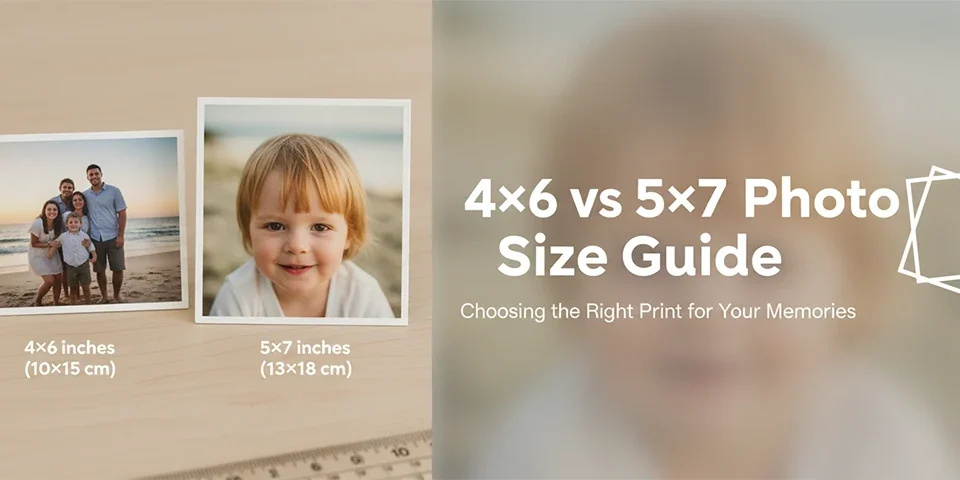
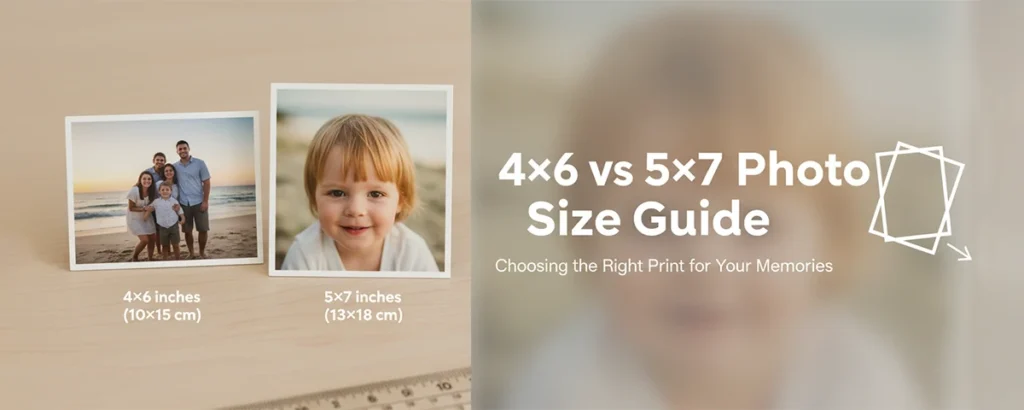
4x6 Format
4" × 6" (10.2 × 15.2 cm)
5x7 Format
5" × 7" (12.7 × 17.8 cm)
4x6 Format Deep Dive
Exact Dimensions:
4 inches × 6 inches (10.16 × 15.24 cm)
Aspect Ratio:
2:3 (matches most digital camera sensors)
Surface Area:
24 square inches
Common Uses:
- Standard photo albums
- Wallet-sized prints
- Quick photo sharing
- Budget-friendly printing
5x7 Format Deep Dive
Exact Dimensions:
5 inches × 7 inches (12.7 × 17.78 cm)
Aspect Ratio:
5:7 (1.4:1 ratio)
Surface Area:
35 square inches (46% larger than 4x6)
Common Uses:
- Professional portraits
- Desktop displays
- Gift presentations
- Art photography
Key Benefits Comparison
4x6 Advantages
- ✓ Cost-Effective: Lower printing costs and materials
- ✓ Standard Compatibility: Fits most photo albums and frames
- ✓ Digital Camera Match: Perfect aspect ratio for most cameras
- ✓ Portable Size: Easy to share and store
5x7 Advantages
- ✓ Enhanced Detail: 46% more surface area for image clarity
- ✓ Professional Appeal: Premium look for important photos
- ✓ Better for Portraits: Ideal proportions for people photography
- ✓ Gift Quality: More impressive for special occasions
Getting Started with 4x6 vs 5x7: Step-by-Step Selection Guide
Interactive Format Selector
What's your primary use for these photos?
Step 1: Assess Your Image Content
The content of your image plays a crucial role in format selection. Consider these factors:
Choose 4x6 for:
- • Landscape photography
- • Group photos with multiple people
- • Action shots and candid moments
- • Photos with horizontal composition
Choose 5x7 for:
- • Portrait photography
- • Close-up shots with fine details
- • Artistic compositions
- • Photos meant for prominent display
Step 2: Consider Your Budget and Quantity
Budget considerations can significantly impact your format choice:
Cost Analysis Calculator
Step 3: Evaluate Display and Storage Options
Consider where and how you'll display or store your photos:
Digital Sharing
4x6 works well for social media and digital albums
Framing & Display
5x7 offers more impact for wall displays and desks
Album Storage
4x6 fits standard photo albums and scrapbooks
Optimizing 4x6 vs 5x7 for Best Results
4x6 Optimization Strategies
Resolution Requirements
For crisp 4x6 prints, ensure your image has:
- • Minimum: 1200 x 1800 pixels
- • Recommended: 1800 x 2700 pixels
- • Professional: 2400 x 3600 pixels (300 DPI)
Composition Tips
- • Keep important elements away from edges
- • Use the rule of thirds for balanced composition
- • Ensure text is readable at smaller size
- • Avoid overly complex backgrounds
Cost Optimization
- • Order in bulk for better pricing
- • Choose matte finish for everyday photos
- • Consider online printing for volume orders
- • Use standard paper for casual prints
5x7 Optimization Strategies
Resolution Requirements
For professional 5x7 prints, ensure your image has:
- • Minimum: 1500 x 2100 pixels
- • Recommended: 2250 x 3150 pixels
- • Professional: 3000 x 4200 pixels (300 DPI)
Quality Enhancement
- • Invest in premium paper for better color
- • Use professional color calibration
- • Consider lustre finish for portraits
- • Ensure proper lighting in original photo
Display Optimization
- • Choose quality frames that complement the photo
- • Consider matting for professional presentation
- • Position away from direct sunlight
- • Use UV-protective glass for valuable prints
Photo Quality Checker
Common Challenges and Solutions
Challenge: Cropping Issues When Switching Formats
The Problem:
Different aspect ratios mean parts of your image may be cut off when switching between 4x6 and 5x7 formats.
4x6 ratio: 2:3 vs 5x7 ratio: 5:7 (1.4:1)
The Solution:
- • Plan ahead: Compose with both ratios in mind
- • Leave breathing room: Keep important elements centered
- • Use editing software: Preview crops before printing
- • Consider custom cropping: Many print services offer this option
Challenge: Budget Constraints vs Quality Desires
The Problem:
Wanting larger, higher-quality 5x7 prints but being limited by budget constraints, especially for large quantities.
Smart Solutions:
- • Selective upgrading: Use 5x7 for special photos only
- • Mixed orders: Combine both formats strategically
- • Timing purchases: Wait for sales and promotions
- • Group orders: Coordinate with family/friends for bulk discounts
Challenge: Frame and Album Compatibility
The Problem:
Existing frames and albums may only accommodate one format, limiting your printing choices.
Practical Solutions:
- • Inventory check: Catalog your existing frames and albums
- • Universal frames: Invest in adjustable or multi-size frames
- • Matting options: Use mats to fit smaller prints in larger frames
- • Digital alternatives: Consider digital frames for flexibility
Challenge: Resolution and Quality Concerns
The Problem:
Older or lower-resolution images may not print well in larger 5x7 format, appearing pixelated or blurry.
Quality Solutions:
- • AI upscaling: Use modern software to enhance resolution
- • Format matching: Stick to 4x6 for lower-res images
- • Creative cropping: Focus on the sharpest parts of the image
- • Artistic effects: Use filters to mask quality issues
Quick Troubleshooting Guide
Quality Issues?
Check resolution requirements and consider format downgrade
Budget Concerns?
Mix formats strategically and look for bulk discounts
Cropping Problems?
Plan composition with both ratios in mind
Conclusion and Next Steps
Choosing between 4x6 vs 5x7 formats doesn't have to be complicated. The key is understanding your specific needs, budget, and intended use for each photo. Remember that 4x6 excels in cost-effectiveness and compatibility, while 5x7 offers superior visual impact and professional presentation.
The most successful approach often involves using both formats strategically—4x6 for everyday memories and bulk printing, and 5x7 for special occasions and prominent displays. This hybrid approach maximizes both your budget and the visual impact of your most important photographs.
📚 Continue Learning
Explore advanced photography composition techniques and color theory for better prints.
🎯 Take Action
Start with a small test order using both formats to see which works best for your needs.
🔄 Stay Updated
Keep up with new printing technologies and paper options for even better results.