
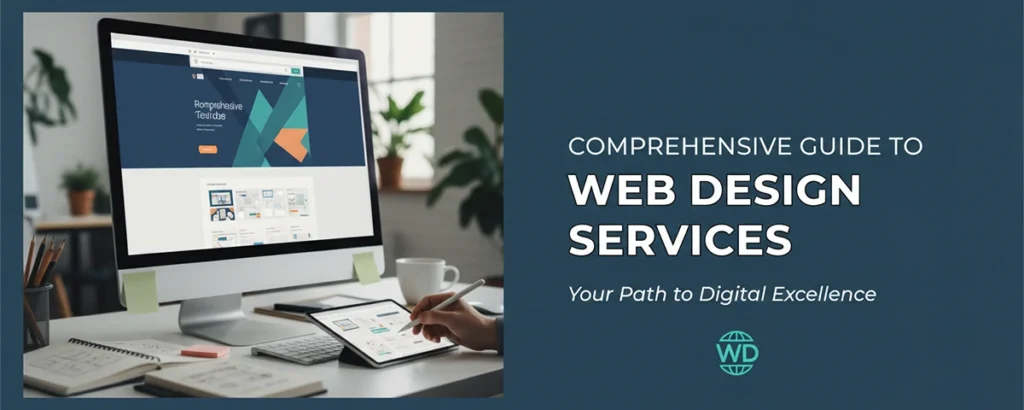
Creating User-Centric and SEO-Friendly Websites That Drive Results
Introduction
Web design services encompass the comprehensive process of creating, planning, and maintaining websites that not only look visually appealing but also function seamlessly across all devices and platforms. In today's digital landscape, where over 4.9 billion people actively use the internet, having a professionally designed website has become essential for businesses of all sizes.
The demand for professional web design services has skyrocketed across various industries, from e-commerce and healthcare to education and entertainment. This surge is driven by the understanding that a website often serves as the first point of contact between a business and its potential customers. Studies show that users form an opinion about a website within 0.05 seconds of viewing it, making first impressions crucial for business success.
The goal of this comprehensive guide is to provide valuable insights into web design services that prioritize both user experience and search engine optimization. We'll explore how effective web design goes beyond aesthetics to create meaningful interactions, drive conversions, and improve search engine rankings. Whether you're a business owner looking to understand web design services or a professional seeking to enhance your knowledge, this guide will equip you with the essential information needed to make informed decisions about web design investments.
Understanding Web Design
Fundamentals of Web Design
Layout
The structural foundation that organizes content in a logical, scannable manner. Effective layouts guide users through information hierarchically.
Color Theory
Strategic use of colors to evoke emotions, establish brand identity, and improve readability while maintaining accessibility standards.
Typography
Selection and arrangement of fonts that enhance readability, convey brand personality, and create visual hierarchy.
Visual Hierarchy
Arrangement of elements to guide user attention and create a clear path through content using size, color, and positioning.
Web Design vs Web Development
Web Design
Focuses on visual aesthetics, user experience, layout planning, color schemes, typography, and overall look and feel of the website.
Web Development
Involves coding, programming, database management, server configuration, and technical implementation of design concepts.
Effective web design elements that cater to user needs include intuitive navigation systems that allow users to find information quickly, responsive layouts that adapt seamlessly to different screen sizes, and clear call-to-action buttons that guide users toward desired actions. Loading speed optimization ensures users don't abandon the site due to slow performance, while accessibility features make the website usable for people with disabilities.
Modern web design also emphasizes the importance of white space, which improves readability and reduces cognitive load. Interactive elements like hover effects, smooth transitions, and micro-animations enhance user engagement without overwhelming the experience. Content organization through cards, grids, and clear sections helps users process information more effectively.
The integration of these fundamental elements creates websites that not only look professional but also function as powerful business tools. When executed properly, good web design reduces bounce rates, increases time on site, and ultimately drives conversions while building trust and credibility with visitors.
Types of Web Design Services
Custom Website Design
Tailored solutions built from scratch to match specific brand requirements and business objectives.
- Unique brand identity
- Scalable architecture
- Full creative control
Responsive Web Design
Websites that adapt seamlessly to all screen sizes and devices for optimal user experience.
- Mobile-first approach
- Improved SEO rankings
- Better user engagement
E-commerce Web Design
Specialized designs for online stores with focus on conversion optimization and user journey.
- Conversion optimization
- Secure payment integration
- Inventory management
UX/UI Design
User experience and interface design focused on usability, accessibility, and user satisfaction.
- User research & testing
- Wireframing & prototyping
- Usability optimization
Landing Page Design
High-converting single pages designed for specific campaigns and marketing objectives.
- Conversion-focused design
- A/B testing ready
- Campaign integration
Each type of web design service serves specific business needs and target audiences. Custom website design is ideal for established businesses seeking to differentiate themselves in competitive markets, offering complete creative freedom and the ability to implement unique features that align with specific business processes.
Responsive web design has become essential rather than optional, with mobile traffic accounting for over 54% of global website traffic. This approach ensures consistent user experience across all devices, improves search engine rankings, and reduces maintenance costs by eliminating the need for separate mobile sites.
E-commerce web design requires specialized knowledge of consumer psychology, conversion optimization techniques, and secure payment processing. These designs focus on reducing cart abandonment rates, streamlining the checkout process, and building trust through professional presentation and security features.
UX/UI design services dive deep into user behavior analysis, creating interfaces that feel intuitive and enjoyable to use. Landing page design, meanwhile, concentrates on single-objective pages that drive specific actions, making them perfect for marketing campaigns, product launches, or lead generation efforts.
The Web Design Process
1Initial Consultation & Requirement Gathering
The foundation of any successful web design project begins with comprehensive discovery sessions. During this phase, designers work closely with clients to understand business objectives, target audience demographics, competitive landscape, and specific functional requirements.
Key Activities:
- Stakeholder interviews and business analysis
- Target audience research and persona development
- Competitive analysis and market positioning
- Technical requirements and platform selection
2Research & Planning
Strategic planning transforms gathered requirements into actionable design strategies. This phase involves creating detailed project roadmaps, defining user journeys, and establishing the information architecture that will guide the entire design process.
Deliverables:
- Site maps and information architecture
- User journey mapping and flow diagrams
- Content strategy and SEO keyword research
- Technical specifications and timeline
3Wireframing & Prototyping
Before investing in visual design, wireframes and prototypes allow teams to test functionality, user flows, and layout concepts. This iterative process helps identify potential issues early and ensures optimal user experience before development begins.
Process Benefits:
- Early identification of usability issues
- Cost-effective iteration and refinement
- Stakeholder alignment on functionality
- Foundation for visual design phase
4Design & Development
The creative phase brings wireframes to life through visual design, incorporating brand elements, color schemes, typography, and imagery. Simultaneously, development teams begin coding the functional components, ensuring seamless integration of design and functionality.
Parallel Workflows:
- Visual design creation and brand integration
- Frontend development and responsive coding
- Backend functionality and database setup
- Content management system integration
5Testing & Launch
Comprehensive testing ensures the website functions flawlessly across all devices, browsers, and user scenarios. This phase includes performance optimization, security testing, and user acceptance testing before the official launch.
Testing Checklist:
- Cross-browser and device compatibility
- Performance and loading speed optimization
- Security vulnerabilities and SSL implementation
- SEO optimization and analytics setup
6Post-Launch Support & Maintenance
Successful websites require ongoing maintenance, updates, and optimization. Post-launch support includes monitoring performance, implementing security updates, content management, and continuous improvement based on user feedback and analytics data.
Ongoing Services:
- Regular security updates and backups
- Performance monitoring and optimization
- Content updates and feature enhancements
- Analytics reporting and conversion optimization
Each stage of the web design process builds upon the previous one, creating a comprehensive approach that minimizes risks and maximizes results. The importance of following this structured methodology cannot be overstated, as it ensures all stakeholders remain aligned, budgets are controlled, and the final product meets both business objectives and user expectations. This systematic approach also allows for better project management, clearer communication, and more predictable outcomes, ultimately leading to websites that not only look great but also perform exceptionally in achieving their intended goals.
SEO in Web Design
The Role of SEO in Web Design
Search Engine Optimization (SEO) and web design are intrinsically linked, with design decisions directly impacting a website's visibility in search engine results. Modern web design must consider SEO from the initial planning stages, as retrofitting SEO elements into an existing design is often more complex and less effective than building them in from the ground up.
SEO Impact on Visibility
- 75% of users never scroll past the first page of search results
- SEO-optimized sites receive 53% more organic traffic
- Mobile-friendly design is now a ranking factor
Key SEO Principles in Design
📱 Mobile Optimization
Responsive design ensures optimal user experience across all devices, directly impacting mobile search rankings and user engagement metrics.
⚡ Fast Loading Speeds
Page speed is a confirmed ranking factor, with faster sites providing better user experience and higher conversion rates.
🧭 User-Friendly Navigation
Clear, logical navigation structure helps search engines understand site hierarchy and improves user experience metrics.
🖼️ Optimized Images
Proper alt tags, file compression, and descriptive filenames improve accessibility and search engine understanding.
Tips for SEO-Friendly Website Design
1. Semantic HTML Structure
Use proper heading tags (H1, H2, H3) to create clear content hierarchy that search engines can easily understand and index.
2. Clean URL Structure
Design URLs that are descriptive, readable, and include relevant keywords while maintaining a logical site structure.
3. Schema Markup Integration
Implement structured data to help search engines understand content context and display rich snippets in results.
4. Internal Linking Strategy
Design navigation and content layouts that naturally encourage internal linking, distributing page authority throughout the site.
5. Content-First Design
Prioritize content visibility and readability, ensuring important information is easily accessible to both users and search engines.
6. Technical SEO Foundation
Implement proper meta tags, XML sitemaps, robots.txt files, and ensure HTTPS security from the design phase.
The integration of SEO principles into web design creates a synergistic effect where aesthetic appeal and search engine visibility work together to drive business results. Websites that prioritize both design and SEO typically see improved user engagement metrics, including longer session durations, lower bounce rates, and higher conversion rates.
Modern search engines like Google use over 200 ranking factors, many of which are directly influenced by design decisions. Core Web Vitals, which measure loading performance, interactivity, and visual stability, have become crucial ranking factors that require careful attention during the design and development process. By considering these elements from the initial design phase, websites can achieve better search rankings while providing superior user experiences that drive business growth.
User-Centric Design Principles
What is User-Centric Design?
User-centric design is a design philosophy that prioritizes the needs, preferences, and behaviors of end users throughout the entire design process. This approach involves extensive user research, iterative testing, and continuous refinement to create websites that not only look appealing but also provide intuitive, efficient, and satisfying user experiences. The significance of user-centric design lies in its ability to bridge the gap between business objectives and user satisfaction, ultimately leading to higher engagement, better conversion rates, and stronger brand loyalty.
Accessibility
Designing for all users, including those with disabilities, ensures equal access to information and functionality.
- WCAG compliance standards
- Keyboard navigation support
- Screen reader compatibility
- Color contrast optimization
Usability
Creating interfaces that are easy to learn, efficient to use, and provide clear feedback to users.
- Intuitive navigation patterns
- Clear visual hierarchy
- Consistent interaction patterns
- Error prevention and recovery
A/B Testing
Data-driven approach to optimize design elements based on actual user behavior and preferences.
- Conversion rate optimization
- Statistical significance testing
- User behavior analysis
- Iterative improvement process
Examples of Excellent User-Centric Design
🍎 Apple's Website
Demonstrates exceptional user-centric design through minimalist aesthetics, intuitive navigation, and seamless product discovery.
- Clean, uncluttered interface design
- Consistent visual language across all pages
- Smooth transitions and micro-interactions
- Accessible color schemes and typography
🛒 Amazon's E-commerce Platform
Excels in user-centric design by prioritizing functionality, search efficiency, and personalized user experiences.
- Advanced search and filtering capabilities
- Personalized product recommendations
- Streamlined checkout process
- Comprehensive user review system
🎵 Spotify's Web Player
Showcases user-centric design through intuitive music discovery, personalized playlists, and seamless cross-device experience.
- Intuitive music discovery interface
- Personalized content curation
- Seamless device synchronization
- Social sharing integration
💳 Stripe's Payment Interface
Demonstrates user-centric design in complex financial interfaces through clarity, security, and ease of use.
- Clear, step-by-step payment process
- Real-time form validation
- Security indicators and trust signals
- Mobile-optimized input fields
User-centric design principles create websites that feel natural and effortless to use, reducing cognitive load and increasing user satisfaction. This approach involves understanding user mental models, designing for different skill levels, and providing clear feedback for all user actions. The result is improved user engagement, higher conversion rates, and reduced support costs.
The implementation of user-centric design requires ongoing commitment to user research, usability testing, and iterative improvement. Organizations that embrace this philosophy often see significant improvements in key performance indicators, including reduced bounce rates, increased time on site, and higher customer satisfaction scores. By putting users at the center of the design process, businesses can create digital experiences that not only meet immediate needs but also build long-term relationships with their audience.
Current Trends in Web Design
Minimalism
Clean, uncluttered designs that focus on essential elements, improving user focus and site performance.
- Reduced cognitive load for users
- Faster loading times
- Better mobile experience
- Timeless aesthetic appeal
Dark Mode
Alternative color schemes that reduce eye strain and provide modern, sophisticated user experiences.
- Reduced eye strain in low light
- Battery savings on OLED screens
- Modern, premium appearance
- Enhanced content focus
Voice User Interface (VUI)
Integration of voice commands and audio interactions to create more accessible and convenient user experiences.
- Hands-free interaction capability
- Improved accessibility features
- Natural language processing
- Multi-modal user experiences
Micro-Interactions
Subtle animations and feedback that enhance user engagement and provide intuitive interface responses.
- Enhanced user feedback
- Improved user engagement
- Guided user behavior
- Brand personality expression
Leveraging Trends for Business Growth
Strategic Implementation
- 1. Audience Analysis: Research your target demographic to determine which trends align with their preferences and behaviors.
- 2. Brand Alignment: Ensure trend adoption supports your brand identity and doesn't compromise core messaging.
- 3. Performance Impact: Evaluate how trend implementation affects site speed, accessibility, and user experience.
Business Benefits
- ✓ Competitive Advantage: Modern design trends help businesses appear current and innovative in their market.
- ✓ User Engagement: Trendy design elements can increase time on site and improve conversion rates.
- ✓ Brand Perception: Contemporary design enhances brand credibility and trustworthiness.
The key to successfully leveraging web design trends lies in thoughtful implementation that serves both aesthetic and functional purposes. Businesses should approach trends as tools to enhance user experience rather than simply following fashion. The most successful implementations combine multiple trends in ways that create cohesive, purposeful designs that support business objectives.
While staying current with design trends is important for maintaining relevance, it's equally crucial to balance trendiness with timeless design principles. The best web designs incorporate contemporary elements while maintaining strong foundations in usability, accessibility, and performance. This approach ensures that websites remain effective and engaging even as specific trends evolve, providing lasting value for both businesses and their users.
Conclusion
Professional web design services have evolved far beyond creating visually appealing websites. Today's web design encompasses a comprehensive approach that integrates user experience optimization, search engine visibility, accessibility standards, and conversion-focused functionality. The importance of investing in quality web design cannot be overstated, as it directly impacts brand perception, user engagement, and business growth in an increasingly digital marketplace.
Throughout this guide, we've explored how effective web design serves as the foundation for successful digital presence. From understanding the fundamental principles of layout and visual hierarchy to implementing cutting-edge trends like voice interfaces and micro-interactions, professional web design services provide the expertise needed to create websites that not only meet current standards but also anticipate future needs.
The integration of SEO principles into the design process ensures that beautiful websites also perform well in search engine rankings, driving organic traffic and improving online visibility. User-centric design principles guarantee that websites serve their intended audience effectively, creating positive experiences that build trust and encourage repeat visits. The systematic design process, from initial consultation through post-launch maintenance, provides a framework for delivering consistent, high-quality results that align with business objectives.
Key Takeaways
Strategic Investment
Professional web design is a strategic business investment that drives measurable results.
User-Centric Approach
Successful websites prioritize user needs while achieving business objectives.
SEO Integration
Design and SEO must work together from the initial planning stages.
Ongoing Process
Web design requires continuous optimization and maintenance for long-term success.
Trend Balance
Effective design balances current trends with timeless usability principles.
Measurable Impact
Quality web design delivers quantifiable improvements in key business metrics.