

A comprehensive guide to different types of photography, their techniques, and applications
Introduction
Photography is more than just capturing images—it's a powerful medium that freezes moments in time, tells compelling stories, and serves as a universal language that transcends cultural boundaries. Since its invention in the early 19th century, photography has evolved from a scientific curiosity to an essential part of modern life, influencing how we document history, express creativity, and connect with one another.
In today's digital age, photography has become more accessible than ever before. With smartphones in nearly every pocket and professional-grade cameras becoming increasingly affordable, millions of people worldwide are discovering the joy and artistry of capturing the world around them. Whether you're documenting a family gathering, exploring the natural world, or pursuing photography as a professional career, understanding the different types of photography can help you find your niche and develop your unique artistic voice.
Each type of photography presents its own unique challenges, techniques, and rewards. From the intimate connection required in portrait photography to the patience demanded by wildlife photography, from the technical precision of architectural photography to the spontaneous nature of street photography, every genre offers opportunities for creative expression and personal growth.
This comprehensive guide will explore twelve major types of photography, examining their definitions, historical contexts, essential techniques, recommended equipment, notable practitioners, and practical applications. Whether you're a complete beginner looking to understand the photography landscape or an experienced photographer seeking to expand into new genres, this guide will provide valuable insights to enhance your photographic journey.
👤 Portrait Photography

Definition & Overview
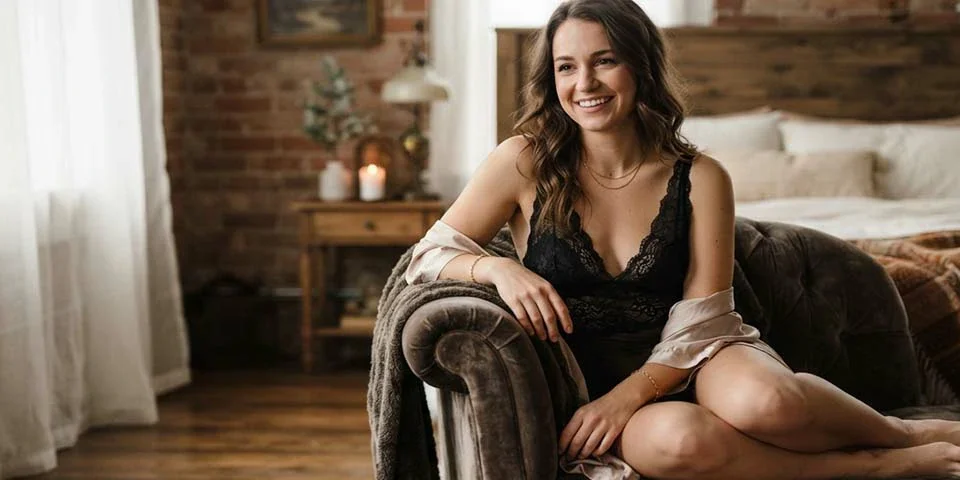
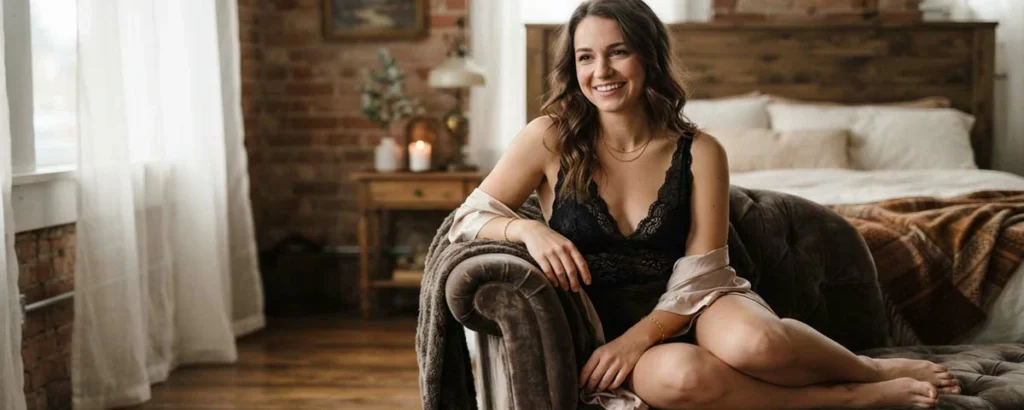
Portrait photography focuses on capturing the personality, mood, and essence of individuals or groups. It's about creating images that reveal something meaningful about the subject, whether through their expression, pose, or the environment they're photographed in.
Historical Context
Portrait photography emerged in the 1840s as a more affordable alternative to painted portraits. Early pioneers like Julia Margaret Cameron and Nadar established many of the artistic principles still used today, emphasizing the importance of lighting and composition in revealing character.
Essential Techniques
- Lighting: Master natural light, studio lighting, and mixed lighting scenarios
- Composition: Use rule of thirds, leading lines, and negative space effectively
- Depth of Field: Control background blur to isolate subjects
- Connection: Build rapport with subjects to capture genuine expressions
- Posing: Guide subjects into flattering and natural positions
Recommended Equipment
- 85mm or 135mm prime lenses for flattering compression
- 50mm lens for environmental portraits
- External flash or continuous lighting setup
- Reflectors and diffusers for light modification
- Tripod for consistent framing
Notable Photographers
Annie Leibovitz, Richard Avedon, Yousuf Karsh, and Platon have all made significant contributions to portrait photography, each developing distinctive styles that have influenced generations of photographers.
Applications
Portrait photography is essential in wedding photography, corporate headshots, family photography, fashion, and editorial work. It's also popular in fine art photography and social media content creation.
🏔️ Landscape Photography
Definition & Overview
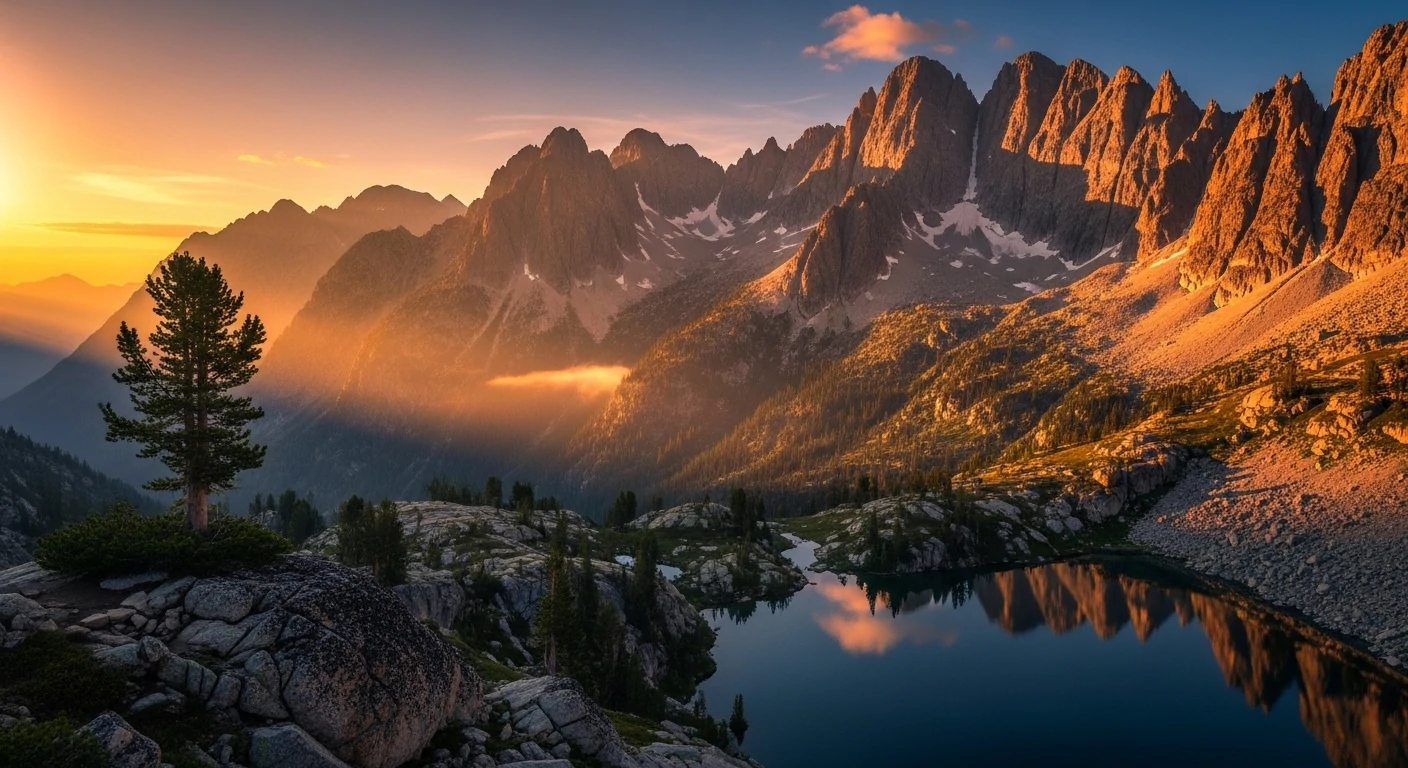
Landscape photography captures the beauty of natural environments, from sweeping vistas to intimate nature scenes. It's about showcasing the majesty of the natural world while often conveying a sense of scale, mood, and atmosphere.
Historical Context
Landscape photography gained prominence in the mid-19th century with photographers like Carleton Watkins and William Henry Jackson documenting the American West. Ansel Adams later elevated it to fine art status with his technical mastery and artistic vision.
Essential Techniques
- Golden Hour: Shoot during sunrise and sunset for warm, dramatic light
- Hyperfocal Distance: Maximize depth of field for sharp foreground and background
- Composition: Use foreground elements to create depth and interest
- Long Exposure: Smooth water and clouds for ethereal effects
- HDR Techniques: Capture full dynamic range in high-contrast scenes
Recommended Equipment
- Wide-angle lenses (14-35mm) for expansive views
- Sturdy tripod for stability in various conditions
- Neutral density and polarizing filters
- Weather-sealed camera body
- Remote shutter release or intervalometer
Notable Photographers
Ansel Adams, Marc Adamus, Michael Kenna, and Galen Rowell have all contributed significantly to landscape photography, each bringing unique perspectives to capturing natural beauty.
Applications
Landscape photography is popular in fine art, tourism marketing, environmental conservation campaigns, and outdoor recreation publications. It's also increasingly popular on social media platforms.
🦅 Wildlife Photography
Definition & Overview
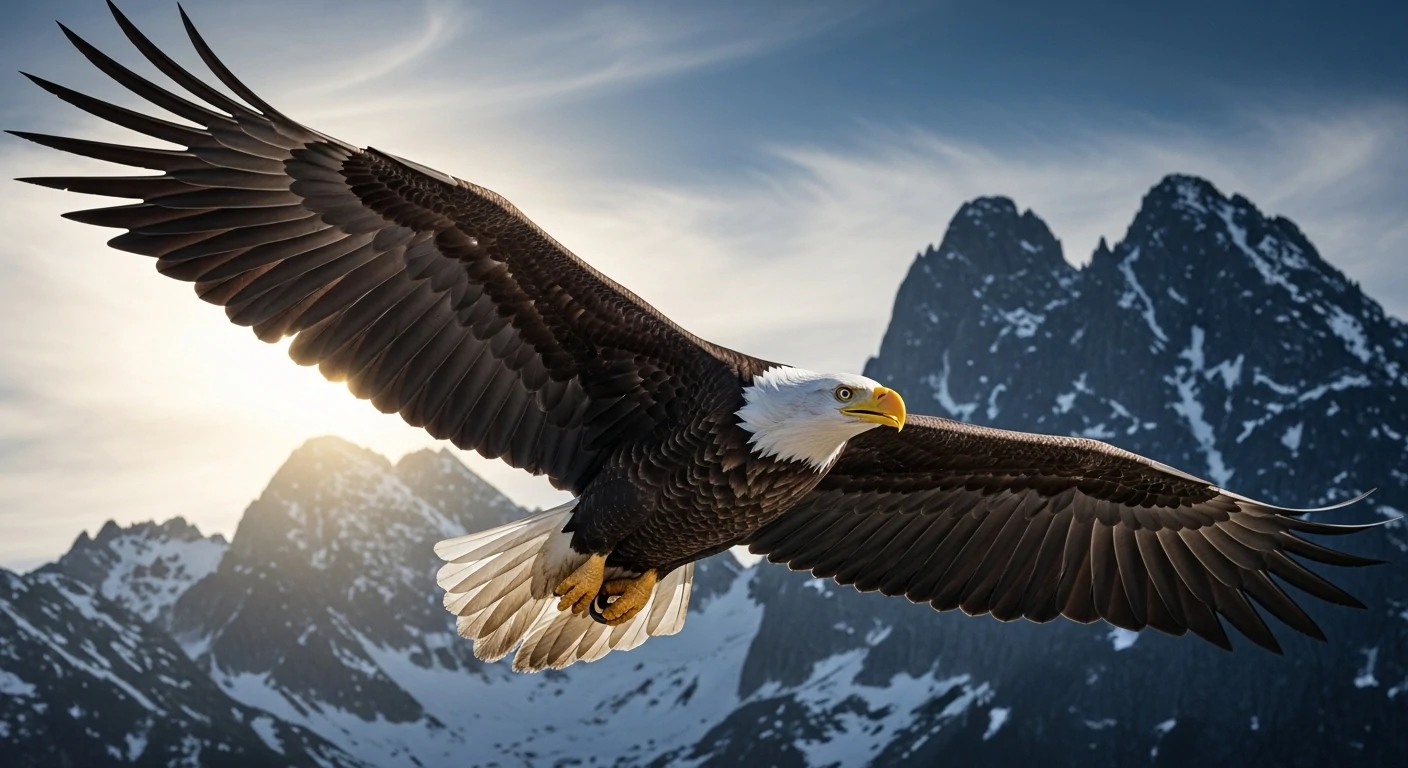
Wildlife photography involves capturing animals in their natural habitats, documenting behavior, and showcasing the beauty and diversity of the animal kingdom. It requires patience, technical skill, and deep understanding of animal behavior.
Historical Context
Wildlife photography began in the late 19th century with pioneers like George Shiras III, who used flash photography to capture nocturnal animals. The genre evolved significantly with the development of telephoto lenses and faster film speeds.
Essential Techniques
- Patience: Wait for the right moment and behavior
- Fast Autofocus: Track moving subjects accurately
- High Shutter Speeds: Freeze action and movement
- Camouflage: Blend into the environment to avoid disturbing wildlife
- Ethical Practices: Prioritize animal welfare over getting the shot
Recommended Equipment
- Super-telephoto lenses (300-600mm) for distant subjects
- Fast camera bodies with excellent autofocus systems
- Camouflage clothing and portable blinds
- Sturdy tripod or monopod for lens support
- High-capacity memory cards and extra batteries
Notable Photographers
Joel Sartore, Frans Lanting, Art Wolfe, and Steve Winter have all made significant contributions to wildlife photography, combining artistic vision with conservation messaging.
Applications
Wildlife photography is crucial for nature documentaries, conservation efforts, scientific research, and educational materials. It's also popular in fine art and nature magazines.
⚽ Sports Photography
Definition & Overview
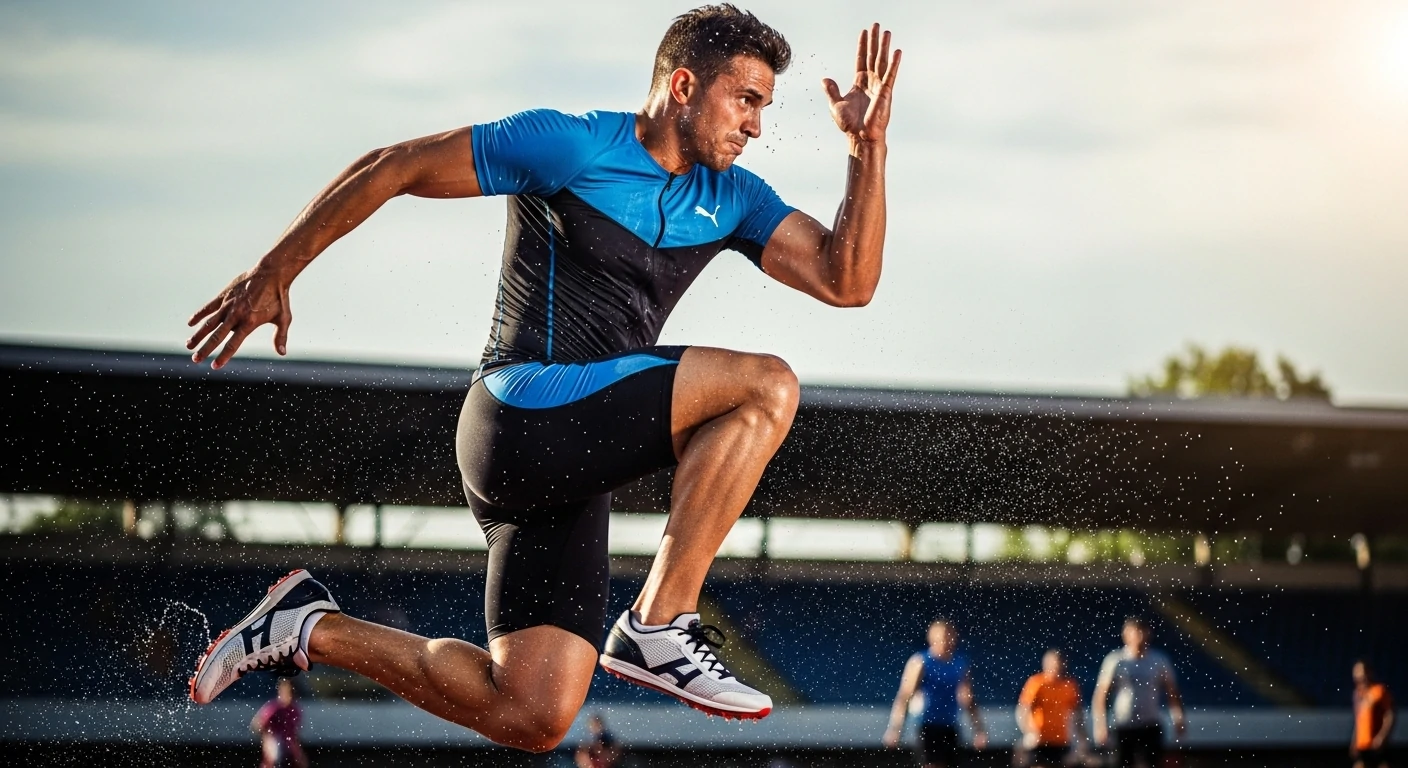
Sports photography captures the excitement, emotion, and peak moments of athletic competition. It requires quick reflexes, technical expertise, and deep knowledge of the sports being photographed to anticipate decisive moments.
Historical Context
Sports photography emerged in the early 20th century with the development of faster cameras and lenses. Pioneers like Neil Leifer and Walter Iooss Jr. established the artistic and technical standards that define modern sports photography.
Essential Techniques
- Anticipation: Predict action and position accordingly
- Continuous Autofocus: Track moving subjects effectively
- High ISO Performance: Shoot in challenging lighting conditions
- Burst Mode: Capture sequences of action
- Panning: Follow subjects to show motion while maintaining sharpness
Recommended Equipment
- Fast telephoto lenses (70-200mm, 300mm, 400mm)
- Camera bodies with high frame rates and excellent autofocus
- Monopods for lens support and mobility
- High-speed memory cards for burst shooting
- Weather protection for outdoor events
Notable Photographers
Neil Leifer, Walter Iooss Jr., Al Bello, and Simon Bruty have all made significant contributions to sports photography, capturing iconic moments that define athletic history.
Applications
Sports photography is essential for newspapers, magazines, websites, team documentation, and marketing materials. It's also popular in fine art and historical documentation.
👗 Fashion Photography
Definition & Overview
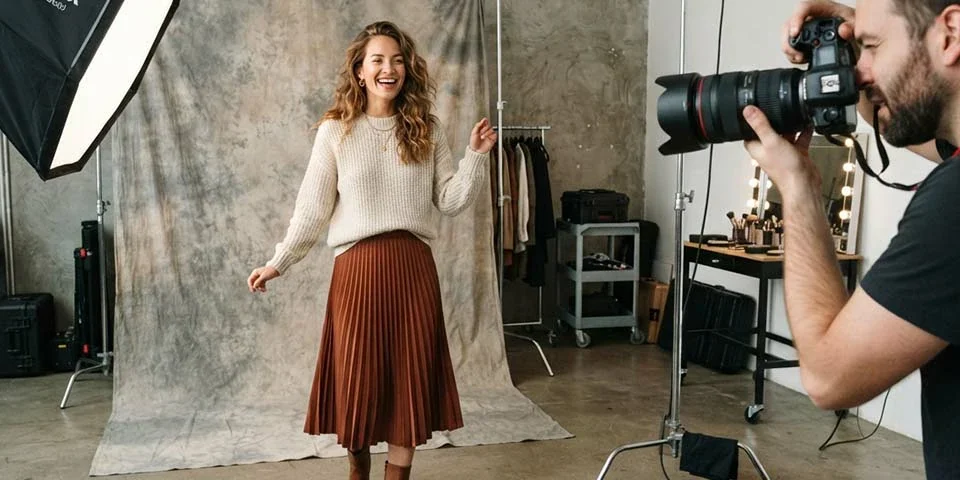
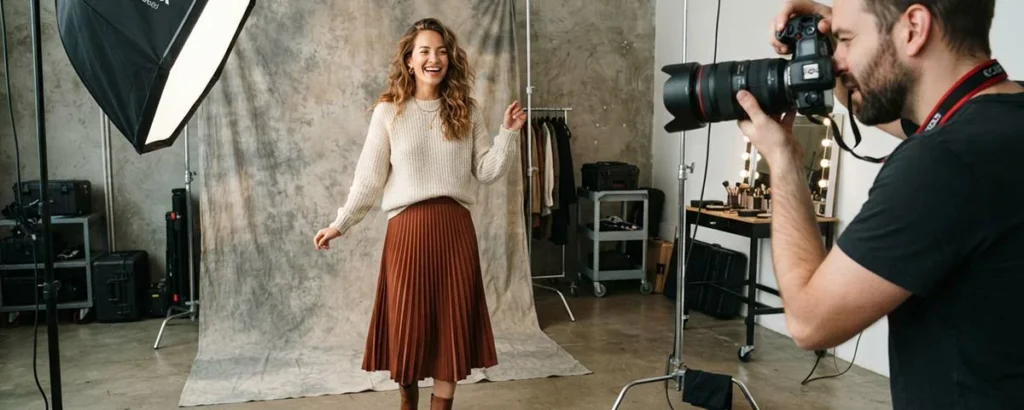
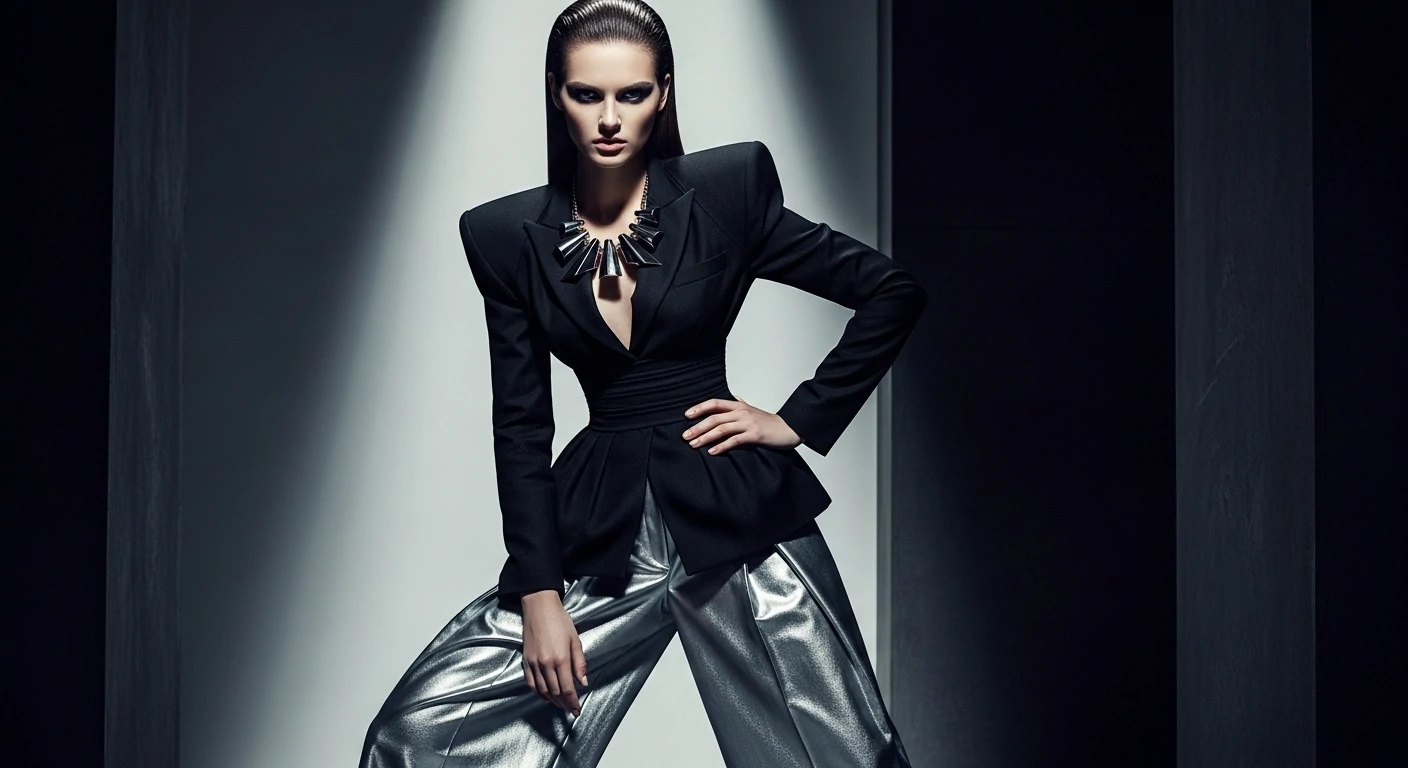
Fashion photography showcases clothing, accessories, and beauty products in visually compelling ways. It combines commercial objectives with artistic expression, often setting trends and influencing popular culture.
Historical Context
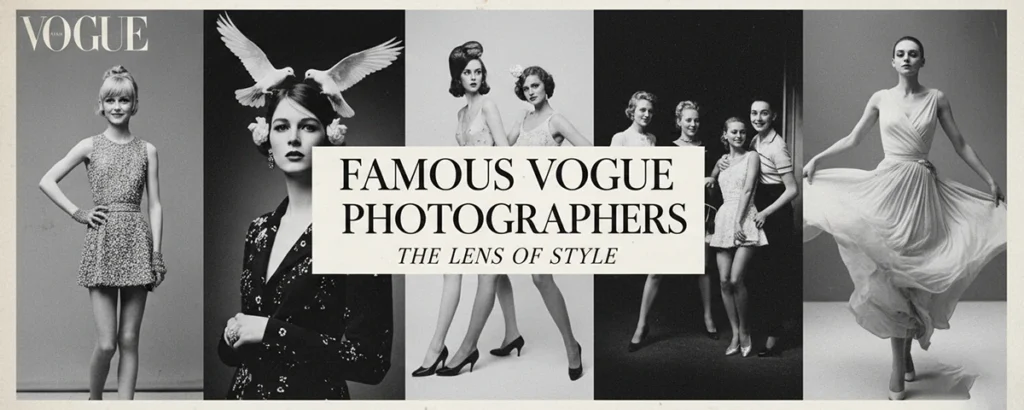
Fashion photography emerged in the early 20th century with magazines like Vogue and Harper's Bazaar. Pioneers like Edward Steichen and Cecil Beaton established the genre's artistic foundations, later revolutionized by photographers like Richard Avedon and Helmut Newton.
Essential Techniques
- Lighting Design: Create mood and highlight garments effectively
- Styling Coordination: Work with stylists to achieve desired looks
- Model Direction: Guide poses and expressions
- Post-Processing: Enhance images while maintaining natural beauty
- Concept Development: Create compelling visual narratives
Recommended Equipment
- Medium format cameras for superior image quality
- 85mm and 135mm lenses for flattering portraits
- Professional studio lighting systems
- Various modifiers (softboxes, beauty dishes, reflectors)
- Tethering equipment for immediate review
Notable Photographers
Richard Avedon, Helmut Newton, Annie Leibovitz, and Mario Testino have all shaped fashion photography, each bringing distinctive styles that have influenced the industry.
Applications
Fashion photography is essential for magazines, advertising campaigns, e-commerce, lookbooks, and social media marketing. It's also prominent in fine art galleries and exhibitions.
🏛️ Architectural Photography
Definition & Overview
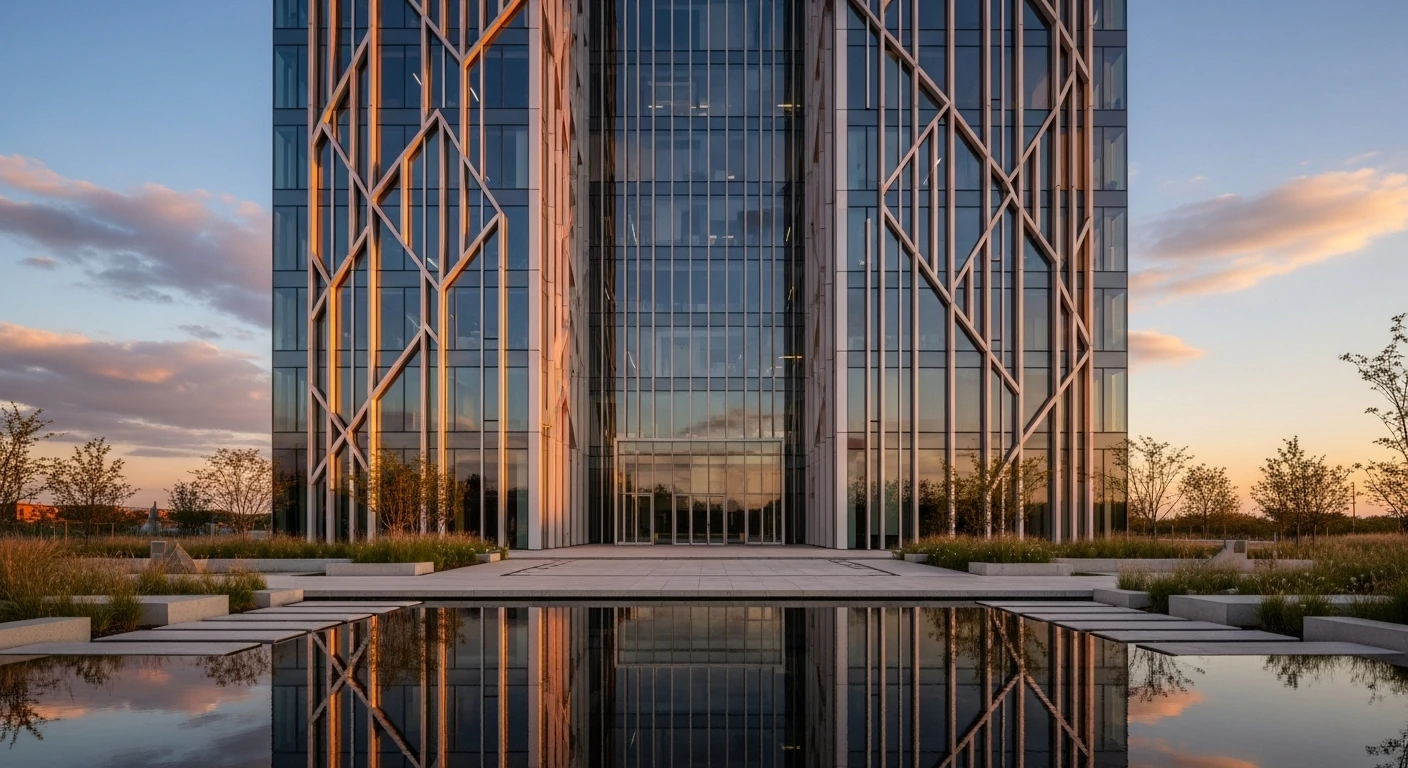
Architectural photography focuses on capturing buildings and structures in ways that are both aesthetically pleasing and technically accurate. It emphasizes design elements, spatial relationships, and the interplay between built environments and natural light.
Historical Context
Architectural photography began in the mid-19th century as a documentation tool. Photographers like Walker Evans and Julius Shulman elevated it to an art form, influencing how we perceive and appreciate architectural design.
Essential Techniques
- Perspective Control: Use tilt-shift lenses to correct converging lines
- Lighting Analysis: Work with natural and artificial light sources
- Composition: Emphasize geometric patterns and structural elements
- HDR Processing: Balance interior and exterior exposures
- Detail Shots: Capture architectural features and materials
Recommended Equipment
- Tilt-shift lenses for perspective correction
- Wide-angle lenses for interior and exterior shots
- Sturdy tripod for precise composition
- Polarizing filters to reduce reflections
- Drone for aerial perspectives (where permitted)
Notable Photographers
Julius Shulman, Ezra Stoller, Iwan Baan, and Fernando Guerra have all made significant contributions to architectural photography, documenting iconic buildings and influencing architectural appreciation.
Applications
Architectural photography is essential for real estate marketing, architectural portfolios, construction documentation, and urban planning. It's also popular in fine art and historical preservation.
🚶 Street Photography
Definition & Overview
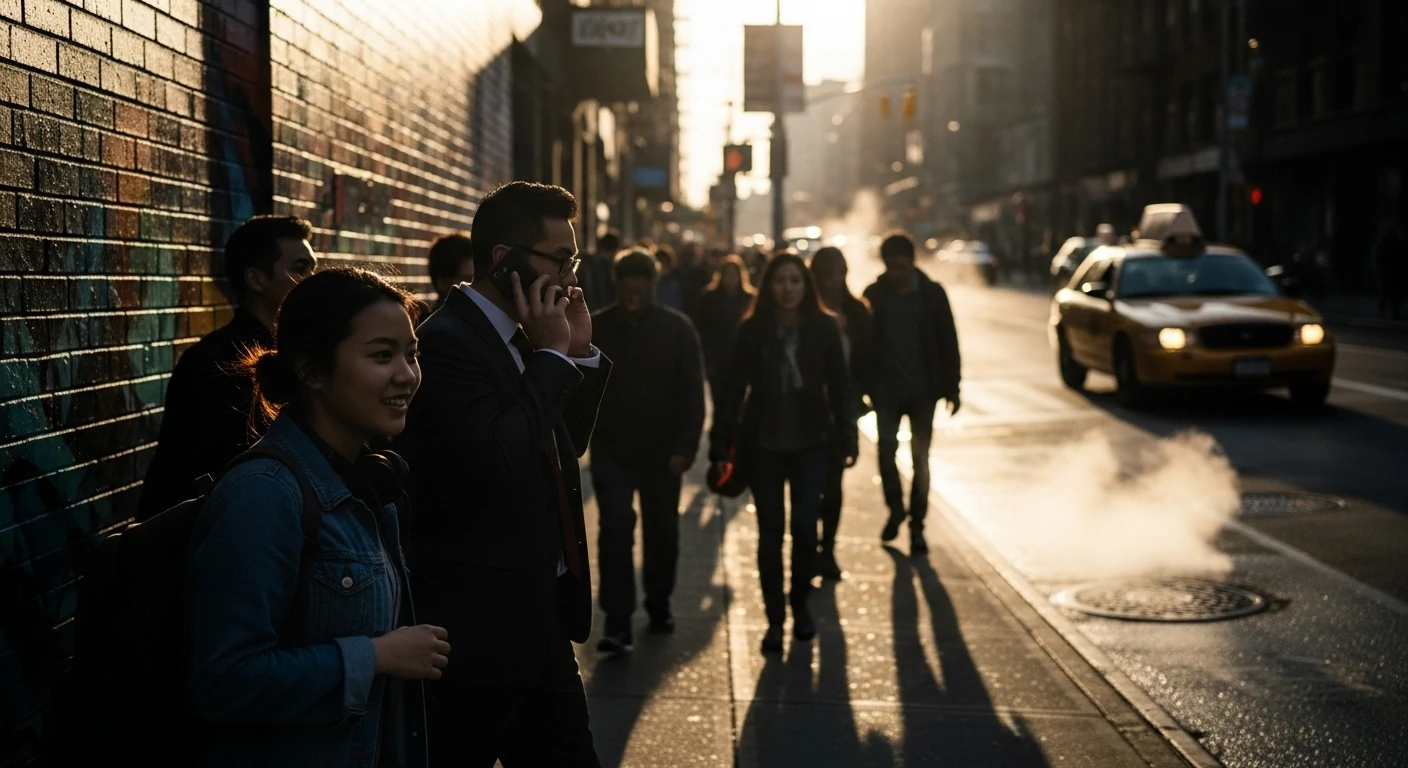
Street photography captures candid moments of everyday life in public spaces. It's about documenting human behavior, social interactions, and the character of urban environments in an unposed, authentic manner.
Historical Context
Street photography emerged in the early 20th century with photographers like Henri Cartier-Bresson, who coined the term "decisive moment." The genre flourished with the development of smaller, more portable cameras.
Essential Techniques
- Observation: Develop awareness of interesting moments and compositions
- Discretion: Capture candid moments without intruding
- Quick Reflexes: React rapidly to fleeting opportunities
- Zone Focusing: Pre-set focus for quick shooting
- Light Reading: Work with available light effectively
Recommended Equipment
- Compact cameras or mirrorless systems for discretion
- 35mm or 50mm prime lenses for natural perspective
- Fast lenses for low-light situations
- Comfortable camera strap for extended shooting
- Minimal gear to maintain mobility
Notable Photographers
Henri Cartier-Bresson, Vivian Maier, Bruce Gilden, and Alex Webb have all made significant contributions to street photography, each developing distinctive approaches to capturing urban life.
Applications
Street photography is popular in photojournalism, documentary projects, fine art, and social media. It's also used for urban planning studies and cultural documentation.
🔍 Macro Photography
Definition & Overview
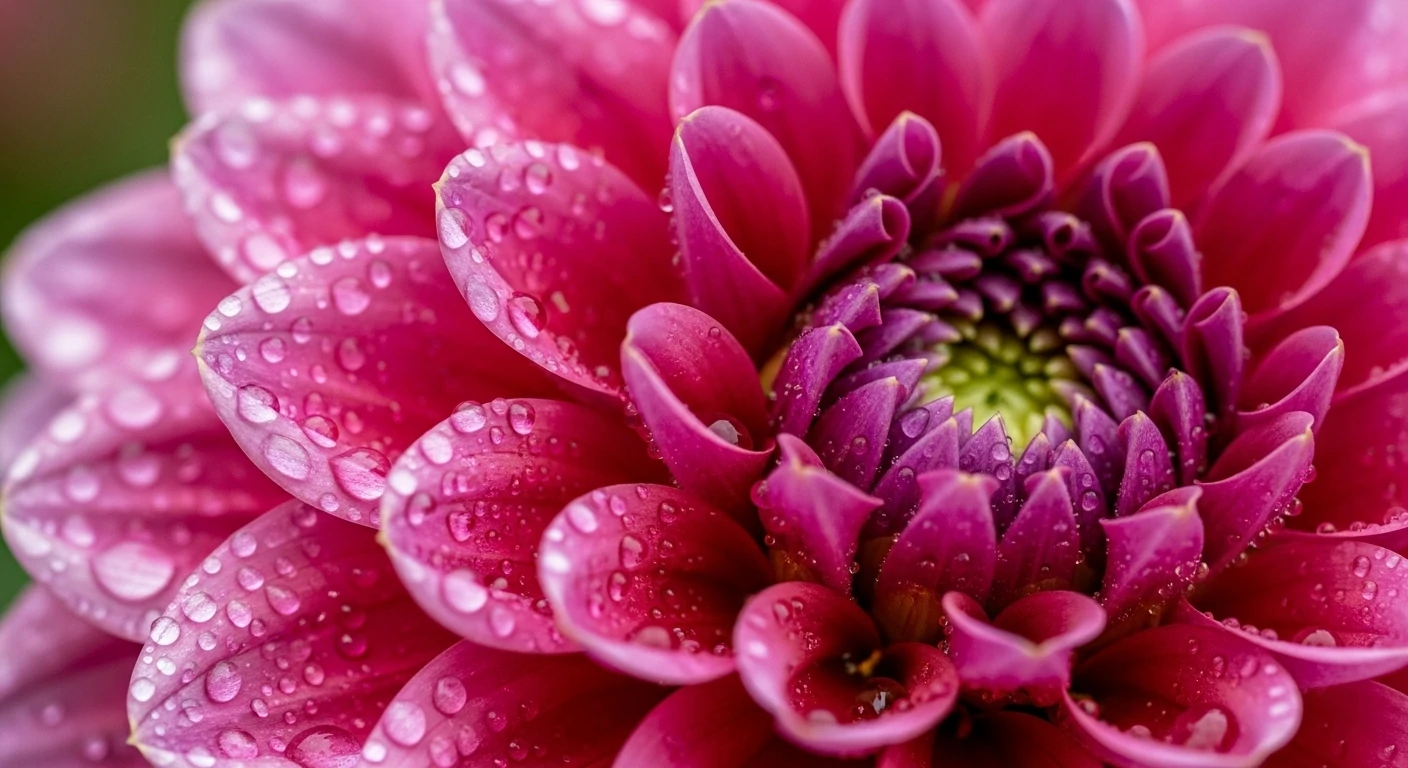
Macro photography involves capturing subjects at extremely close distances, typically at 1:1 magnification or greater. It reveals intricate details invisible to the naked eye, opening up a miniature world of textures, patterns, and structures.
Historical Context
Macro photography developed alongside advances in lens technology and close-focusing capabilities. Early pioneers used bellows systems and extension tubes to achieve close focusing, techniques still used today alongside specialized macro lenses.
Essential Techniques
- Focus Stacking: Combine multiple images for extended depth of field
- Lighting Control: Use diffused light to avoid harsh shadows
- Stability: Minimize camera shake with tripods and remote releases
- Magnification: Understand reproduction ratios and working distances
- Subject Preparation: Clean and position subjects carefully
Recommended Equipment
- Dedicated macro lenses (60mm, 100mm, 180mm)
- Extension tubes or bellows for increased magnification
- Ring flash or macro lighting systems
- Sturdy tripod with adjustable center column
- Focus rail for precise positioning
Notable Photographers
Thomas Shahan, Levon Biss, Igor Siwanowicz, and John Hallmén have all pushed the boundaries of macro photography, revealing the incredible beauty and complexity of small subjects.
Applications
Macro photography is essential for scientific documentation, product photography, nature studies, and fine art. It's also popular for educational materials and social media content.
🌌 Astrophotography
Definition & Overview
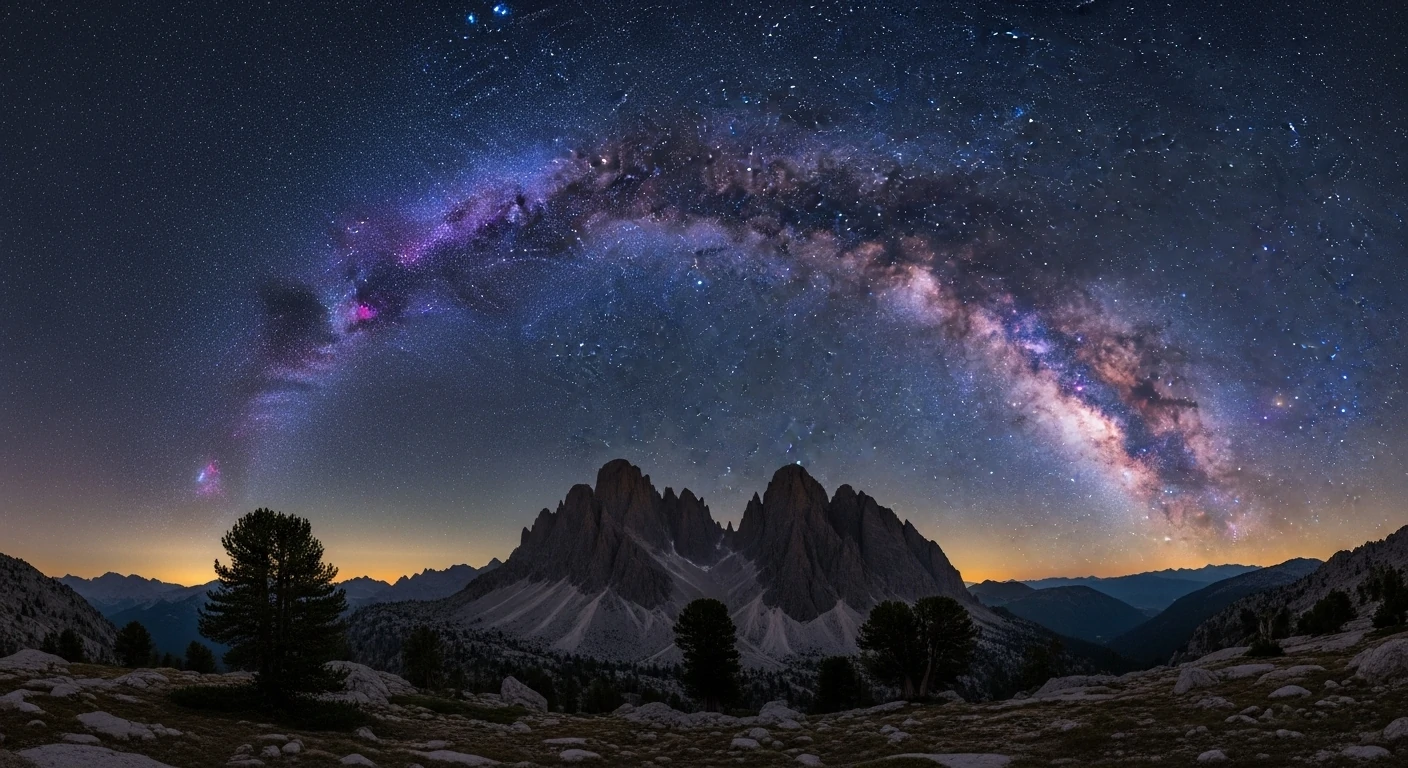
Astrophotography captures celestial objects and phenomena, from the Milky Way and star trails to planets and deep-space objects. It combines technical precision with artistic vision to reveal the beauty of the night sky.
Historical Context
Astrophotography began in the mid-19th century with the first successful photograph of the moon. The field has evolved dramatically with digital sensors, computerized mounts, and sophisticated processing techniques.
Essential Techniques
- Long Exposures: Capture faint celestial objects over extended periods
- Tracking Mounts: Follow celestial motion to prevent star trails
- Image Stacking: Combine multiple exposures to reduce noise
- Dark Site Selection: Find locations with minimal light pollution
- Planning: Use apps to predict celestial events and positions
Recommended Equipment
- Full-frame cameras with excellent high-ISO performance
- Fast wide-angle lenses (14-24mm f/2.8 or faster)
- Equatorial tracking mounts for long exposures
- Intervalometer for automated sequences
- Red flashlight to preserve night vision
Notable Photographers
Michael Shainblum, Babak Tafreshi, Royce Bair, and Marc Adamus have all made significant contributions to astrophotography, combining technical expertise with artistic vision.
Applications
Astrophotography is popular in scientific research, educational materials, fine art, and tourism promotion. It's also increasingly popular on social media and in landscape photography.
📰 Documentary Photography
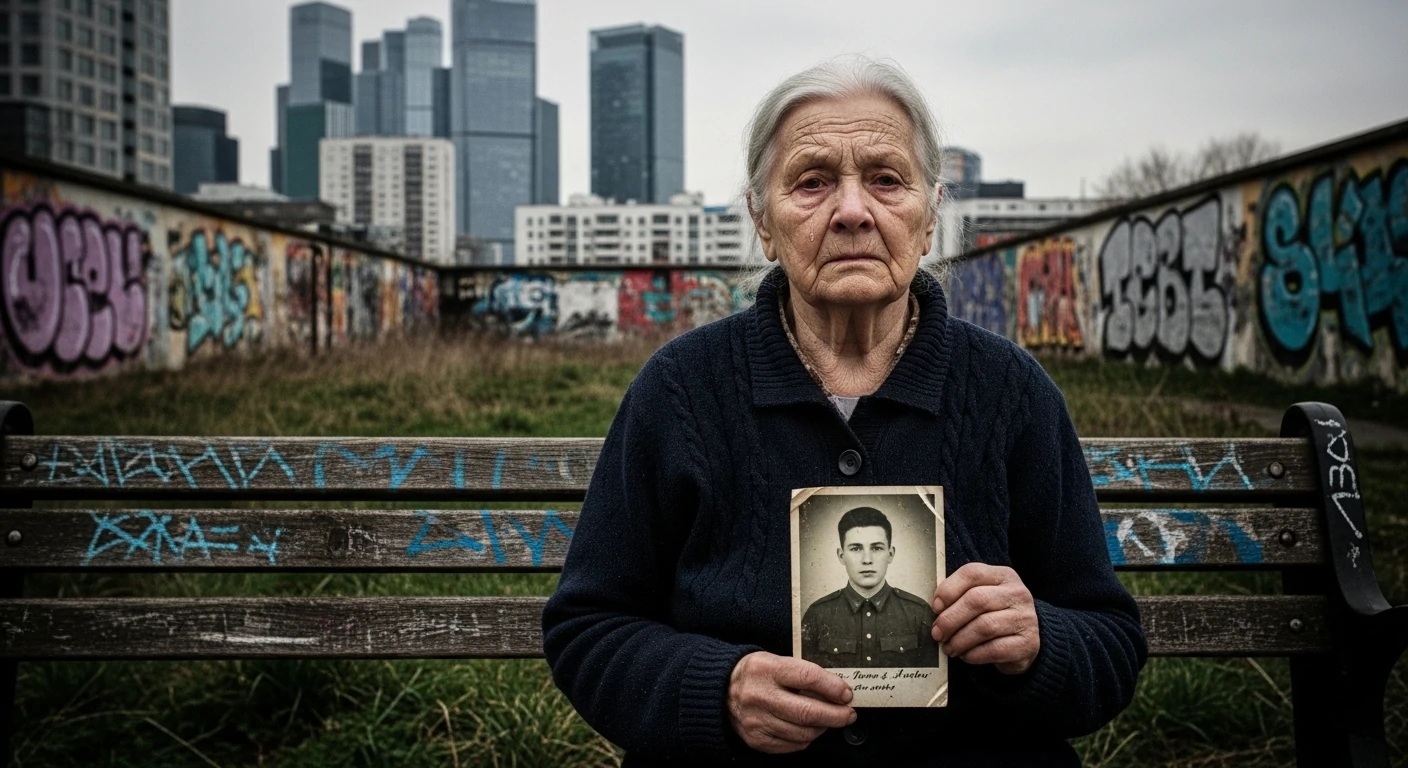
Definition & Overview
Documentary photography tells stories about real people, places, and events. It aims to inform, educate, and create awareness about social issues, cultural practices, or historical moments through compelling visual narratives.
Historical Context
Documentary photography emerged in the early 20th century with photographers like Lewis Hine and Dorothea Lange, who used their cameras to expose social injustices and advocate for change. The tradition continues with contemporary photographers addressing current global issues.
Essential Techniques
- Research: Thoroughly understand subjects and contexts
- Trust Building: Develop relationships with subjects
- Ethical Considerations: Respect dignity and privacy of subjects
- Storytelling: Create cohesive narratives through image sequences
- Authenticity: Maintain truthfulness and avoid manipulation
Recommended Equipment
- Versatile zoom lenses (24-70mm, 70-200mm)
- Cameras with good low-light performance
- Backup equipment for critical assignments
- Portable lighting for indoor situations
- Comfortable carrying system for extended shoots
Notable Photographers
Dorothea Lange, W. Eugene Smith, Sebastião Salgado, and James Nachtwey have all made significant contributions to documentary photography, using their work to create social awareness and drive change.
Applications
Documentary photography is essential for journalism, NGO campaigns, historical documentation, and educational materials. It's also prominent in museums, galleries, and social media advocacy.
🍽️ Food Photography
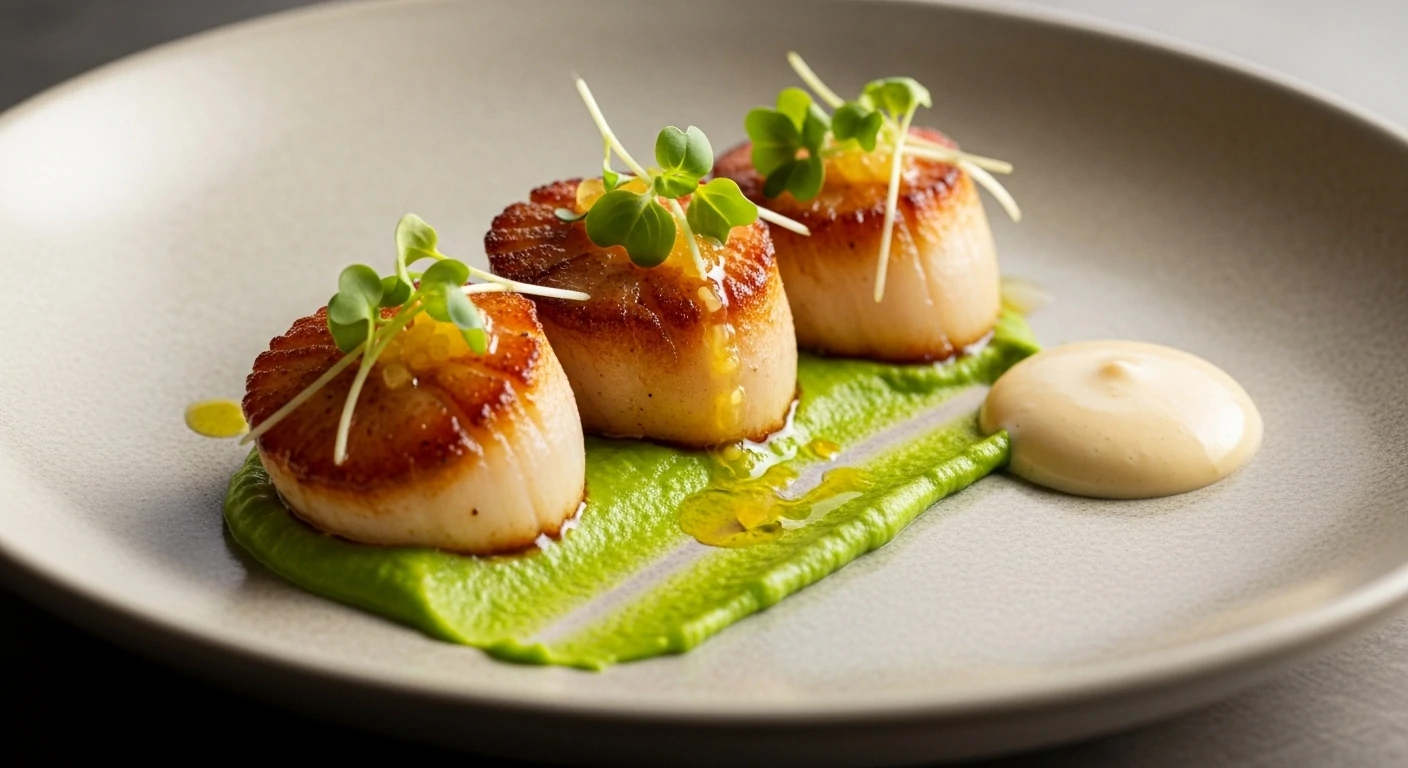
Definition & Overview
Food photography showcases culinary creations in appetizing and visually appealing ways. It combines technical photography skills with food styling expertise to create images that make viewers want to taste what they see.
Historical Context
Food photography evolved from simple documentation to sophisticated marketing tool with the rise of food magazines and advertising. Digital photography and social media have democratized the field, making it accessible to restaurants and home cooks alike.
Essential Techniques
- Styling: Arrange food elements for maximum visual appeal
- Lighting: Use soft, directional light to enhance textures
- Composition: Create balanced, appetizing arrangements
- Color Theory: Use complementary colors to enhance appeal
- Speed: Work quickly before food loses its fresh appearance
Recommended Equipment
- Macro lenses for detailed close-ups
- 50mm or 85mm lenses for natural perspective
- Continuous lighting or large softboxes
- Reflectors and diffusers for light control
- Tripod for consistent framing and composition
Notable Photographers
Penny De Los Santos, David Loftus, Helene Dujardin, and Two Red Bowls have all made significant contributions to food photography, each developing distinctive styles that influence the industry.
Applications
Food photography is essential for restaurants, cookbooks, food magazines, advertising campaigns, and social media marketing. It's also popular among food bloggers and culinary enthusiasts.
🎉 Event Photography
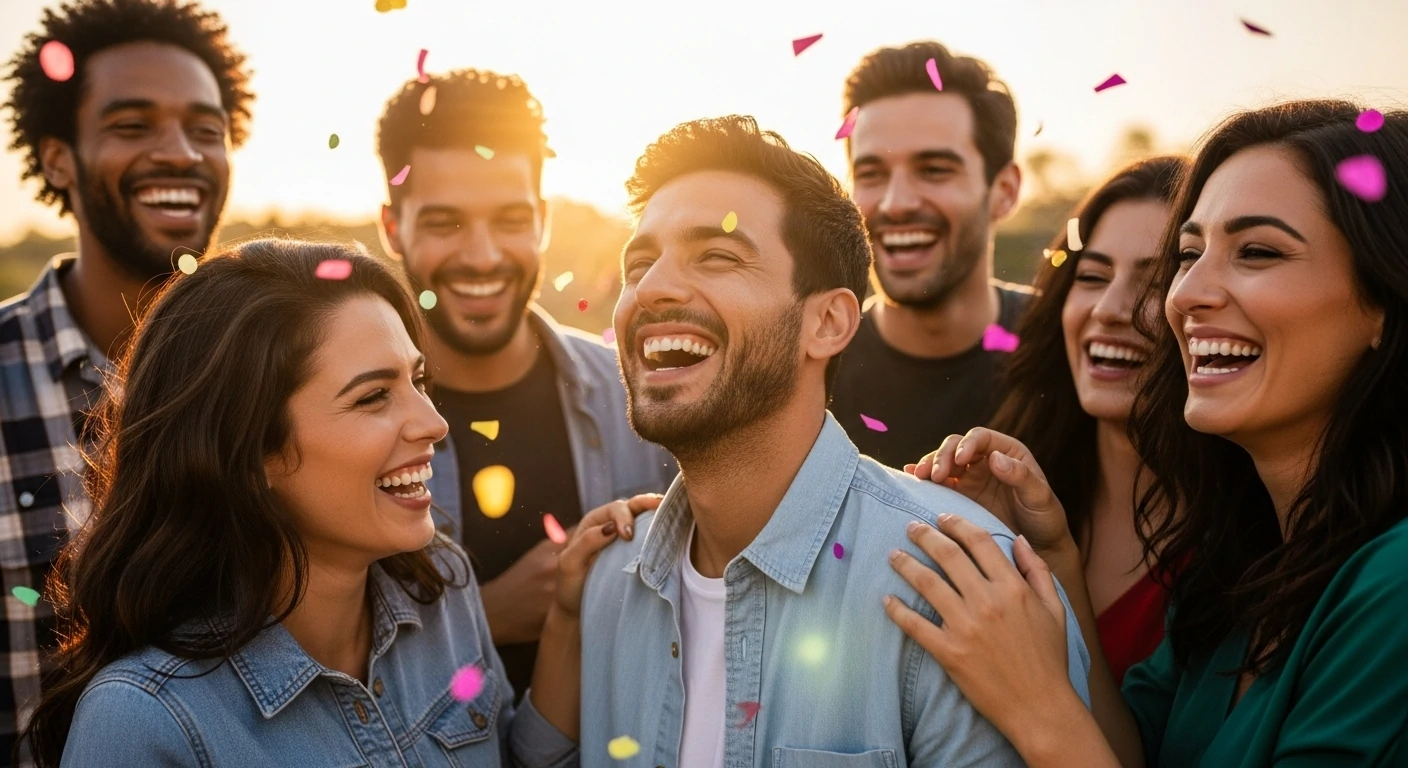
Definition & Overview
Event photography captures special occasions and gatherings, from weddings and corporate events to concerts and festivals. It requires the ability to work in various lighting conditions while documenting important moments as they unfold.
Historical Context
Event photography has evolved from formal posed portraits to dynamic storytelling that captures the energy and emotion of occasions. The development of faster lenses and better low-light performance has greatly expanded creative possibilities.
Essential Techniques
- Anticipation: Predict and capture key moments
- Adaptability: Work effectively in changing conditions
- Discretion: Document events without being intrusive
- Low-Light Skills: Shoot in challenging lighting situations
- People Skills: Interact comfortably with guests and subjects
Recommended Equipment
- Fast zoom lenses (24-70mm f/2.8, 70-200mm f/2.8)
- Cameras with excellent high-ISO performance
- External flash with bounce capabilities
- Backup camera bodies and memory cards
- Comfortable carrying system for long events
Notable Photographers
Joe Buissink, Cliff Mautner, Jerry Ghionis, and Susan Stripling have all made significant contributions to event photography, particularly in the wedding photography sector.
Applications
Event photography is essential for weddings, corporate events, concerts, festivals, and private celebrations. It's also used for marketing materials and social media content.
Conclusion
Photography is a vast and diverse field that offers countless opportunities for creative expression, professional development, and personal fulfillment. Each type of photography we've explored—from the intimate connection of portraiture to the technical challenges of astrophotography—presents unique rewards and learning opportunities.
The beauty of photography lies not just in the final images, but in the journey of discovery that each genre offers. Whether you're drawn to the patience required for wildlife photography, the spontaneity of street photography, or the precision of architectural photography, there's a photographic discipline that can match your interests, personality, and creative vision.
As you explore different types of photography, remember that mastery comes through practice, experimentation, and continuous learning. Don't be afraid to step outside your comfort zone and try new genres. Many successful photographers have found their unique voice by combining techniques and perspectives from multiple disciplines.
The digital age has made photography more accessible than ever, but it has also raised the bar for quality and creativity. Focus on developing your technical skills while nurturing your artistic vision. Study the work of master photographers, but don't try to imitate them—instead, let their work inspire you to develop your own distinctive style.
Resources for Further Learning
- Books: "The Art of Photography" by Bruce Barnbaum, "Light Science & Magic" by Fil Hunter
- Online Courses: CreativeLive, Udemy, and YouTube channels by professional photographers
- Websites: PetaPixel, Digital Photography School, and Fstoppers for tutorials and inspiration
- Communities: Flickr groups, Reddit photography communities, and local camera clubs
- Workshops: Hands-on learning experiences with professional photographers
Photography is ultimately about seeing the world with fresh eyes and sharing your unique perspective with others. Whether you pursue it as a hobby or profession, the skills you develop and the experiences you gain will enrich your life in countless ways. Pick up your camera, choose a genre that excites you, and start your photographic journey today.
Share Your Photography Journey
We'd love to hear about your experiences with different types of photography! Which genres interest you most? What challenges have you encountered, and what successes have you celebrated?