

Exploring the pinnacle of photographic excellence where artistry meets cutting-edge technology
Introduction
In the world of photography, where capturing the perfect moment is both an art and a science, the tools of the trade can range from affordable point-and-shoot cameras to astronomical investments that rival luxury cars. The most expensive cameras represent the absolute pinnacle of photographic technology, craftsmanship, and exclusivity.
These extraordinary instruments go far beyond the capabilities of standard cameras, offering unparalleled image quality, revolutionary features, and often, a piece of photographic history. They're not just tools; they're investments in artistic expression, technological marvels that push the boundaries of what's possible in image capture, and sometimes, rare collectibles that appreciate in value over time.
High-end cameras distinguish themselves through superior sensor technology, exceptional build quality using premium materials, advanced optical systems with the finest glass elements, and often, limited production runs that make them highly sought after by collectors and professionals alike. Some command high prices due to their historical significance, while others represent the cutting edge of modern digital technology.
This comprehensive guide will take you on a journey through the most expensive cameras ever created, exploring what makes them so valuable, the factors that influence their astronomical prices, and whether these investments might be right for serious photographers and collectors. Whether you're a professional photographer, an enthusiast, or simply curious about the luxury end of the camera market, you'll discover the fascinating world where technology, artistry, and exclusivity converge.
History of Expensive Cameras
The evolution of expensive cameras mirrors the broader history of photography itself, beginning with the earliest camera obscuras and evolving into today's sophisticated digital masterpieces. Understanding this history helps explain why certain cameras command such extraordinary prices.
The Early Days: Craftsmanship and Rarity
In the 19th and early 20th centuries, cameras were handcrafted instruments, often made in small quantities by skilled artisans. Companies like Leica, established in 1914, set the standard for precision engineering and optical excellence. The Leica I, introduced in 1925, revolutionized photography by making 35mm format accessible, and original models now sell for tens of thousands of dollars at auction.
The interwar period saw the emergence of several legendary camera manufacturers. Contax, Hasselblad, and Rollei established themselves as premium brands, creating cameras that were not only functional tools but also symbols of professional status. These early expensive cameras were costly due to the precision manufacturing required and the limited production capabilities of the era.
The Golden Age: 1950s-1980s
The post-war boom brought significant technological advances and increased demand for high-quality cameras. This period saw the introduction of the Hasselblad 500C (1957), which would later accompany NASA astronauts to the moon, and the Nikon F (1959), which established Nikon as a serious competitor to German manufacturers.
During this golden age, expensive cameras were primarily distinguished by their optical quality, mechanical precision, and professional features. The market was driven by professional photographers, photojournalists, and serious enthusiasts who demanded the best possible image quality and reliability.
The Digital Revolution and Modern Luxury
The transition to digital photography in the late 1990s and early 2000s created new categories of expensive cameras. Early digital cameras like the Kodak DCS series cost over $30,000, making them accessible only to professional studios and wealthy enthusiasts. As technology advanced, prices generally decreased, but a new tier of ultra-luxury cameras emerged.
Today's most expensive cameras fall into several categories: cutting-edge digital cameras with the latest sensor technology, limited edition models celebrating brand heritage, vintage collectibles with historical significance, and specialized cameras for unique applications like astrophotography or scientific research.
Market trends have shown that while technology generally becomes more affordable over time, the luxury camera market has remained strong. Collectors and professionals continue to pay premium prices for exceptional quality, exclusivity, and the prestige associated with owning the finest photographic equipment available.
Top Most Expensive Cameras
Here are the most expensive cameras that represent the pinnacle of photographic excellence, from rare vintage collectibles to cutting-edge modern marvels.
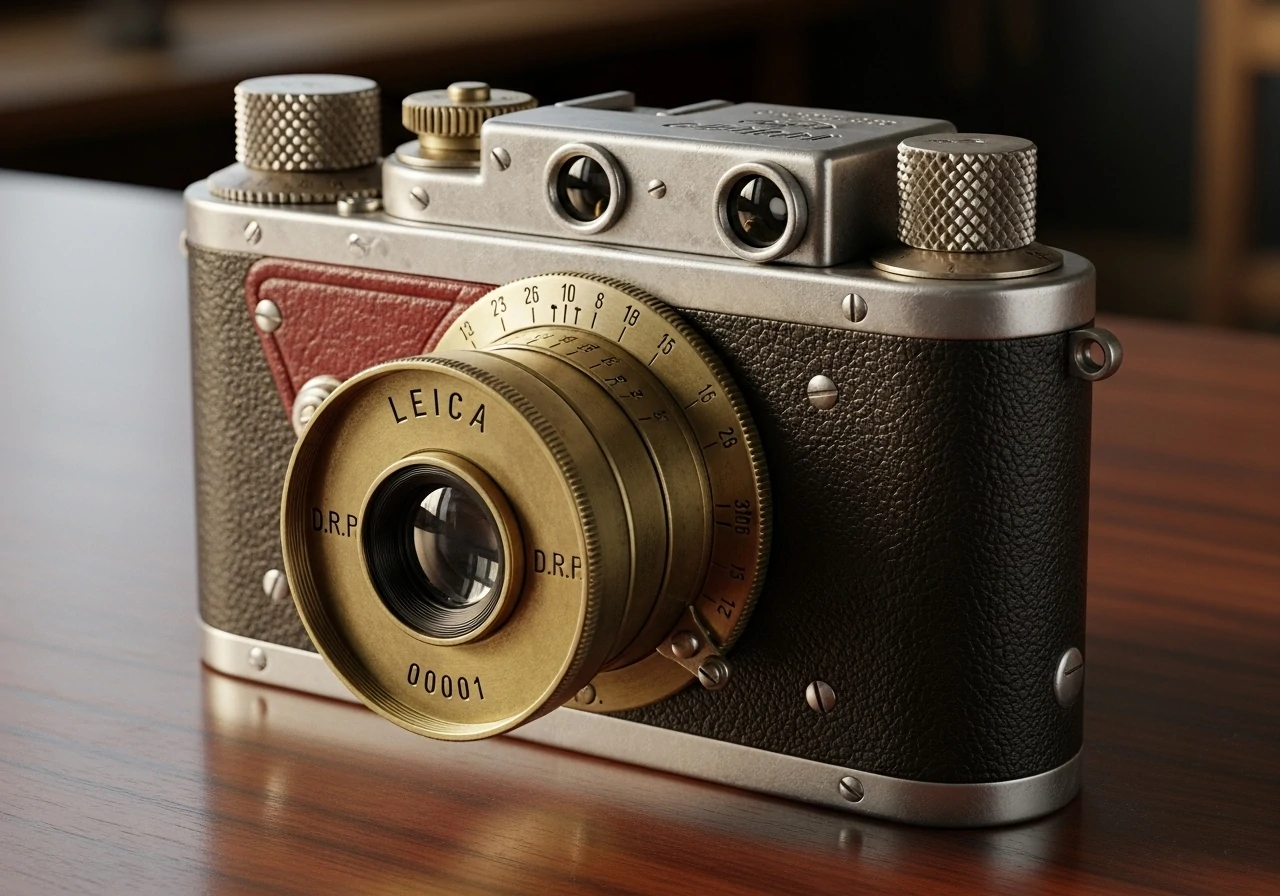
1. Leica 0-Series No. 122
$2.97 Million
Key Features:
- One of only 25 prototypes ever made
- Serial number 122, extremely rare
- Precursor to the legendary Leica I
- Exceptional historical significance
- Perfect working condition
Why it's expensive: This camera represents the birth of 35mm photography. As one of the earliest Leica prototypes, it's a piece of photographic history that changed the industry forever. Its rarity and historical importance make it the most expensive camera ever sold at auction.
2. Hasselblad 500C with Zeiss Lens
$45,000 - $75,000
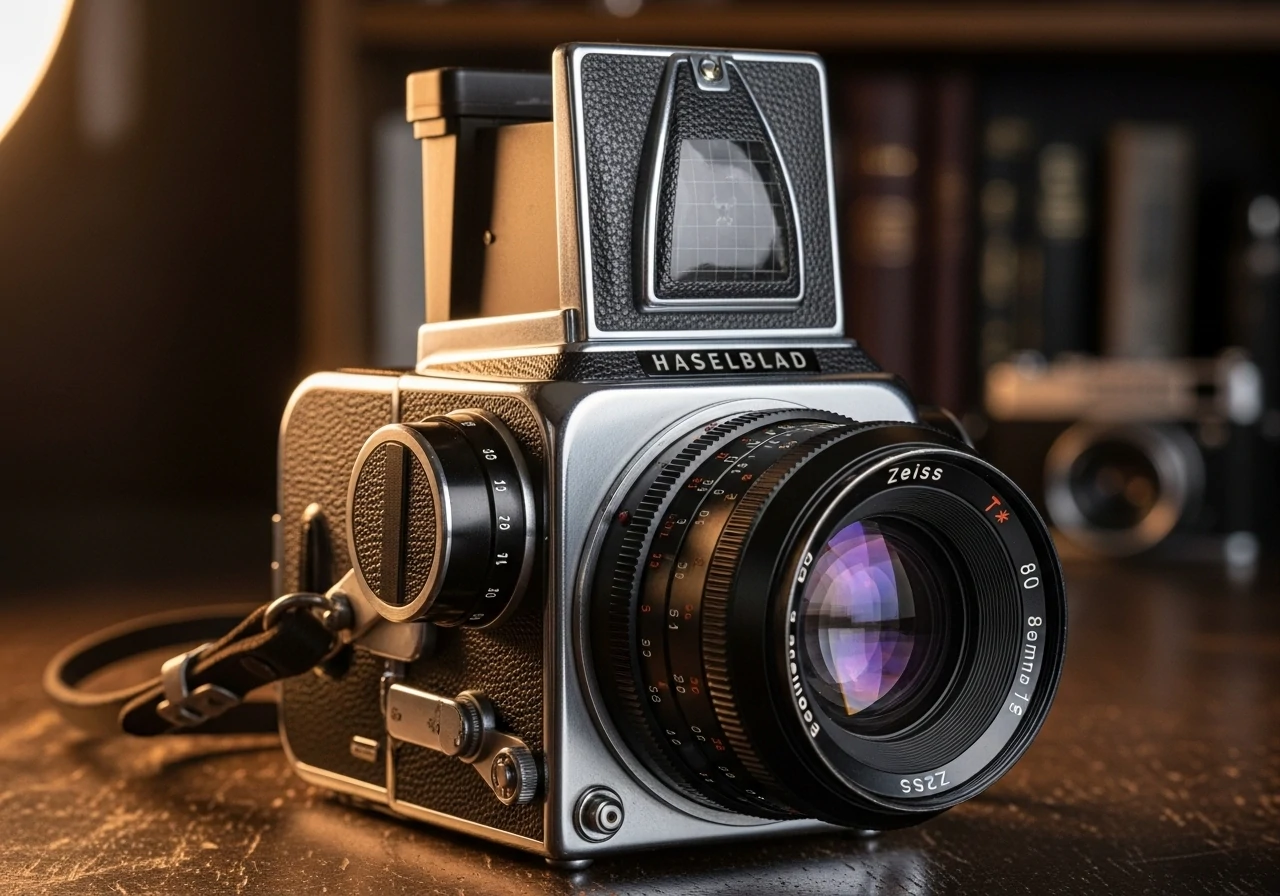
Key Features:
- Medium format 6x6cm film
- Modular system design
- Carl Zeiss Planar 80mm f/2.8 lens
- Used in NASA Apollo missions
- Exceptional build quality
Why it's expensive: Beyond its technical excellence, this camera has unparalleled historical significance as the camera system used to document humanity's first steps on the moon. Vintage models in excellent condition command premium prices among collectors.
3. Phase One XF IQ4 150MP
$47,000
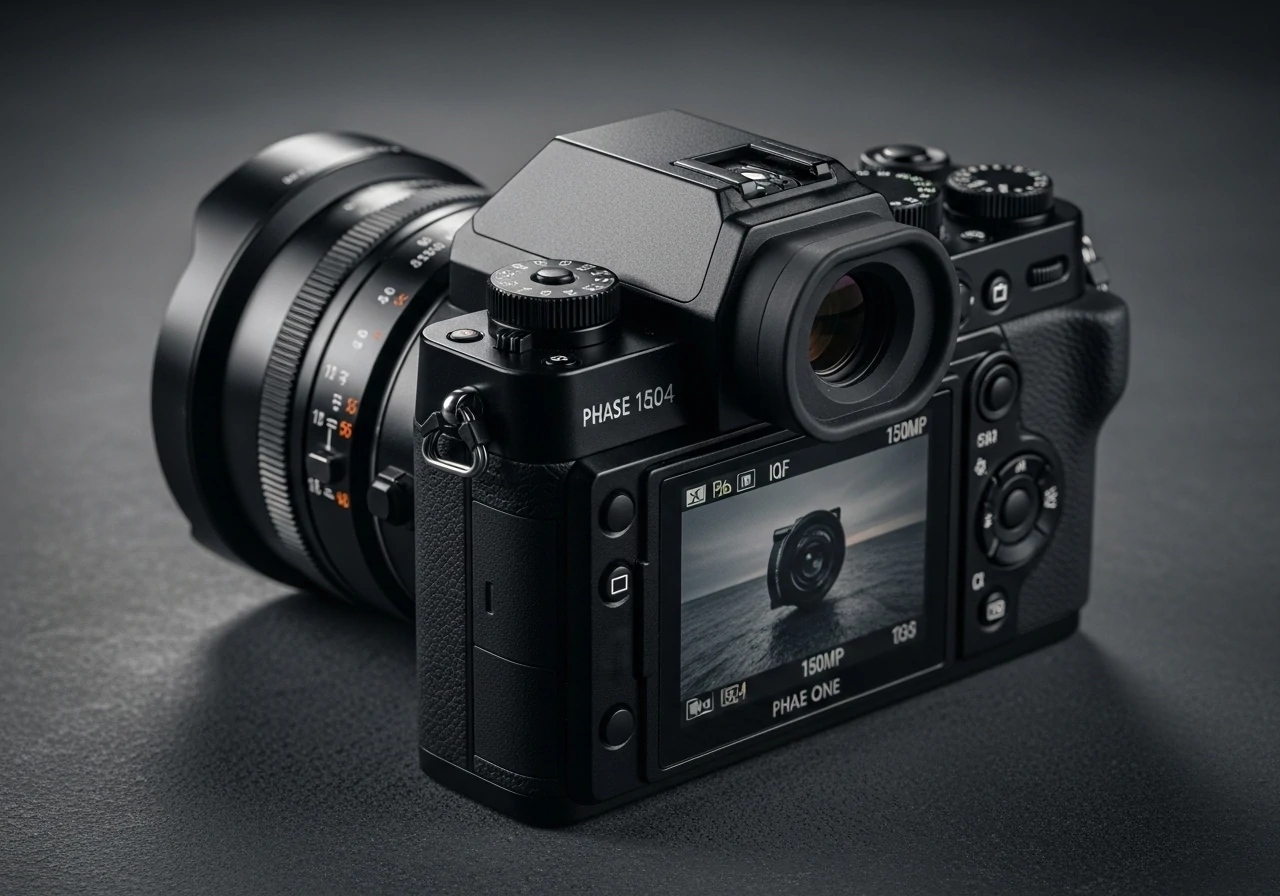
Key Features:
- 150MP full-frame sensor
- 15 stops of dynamic range
- ISO 64-25,600 range
- Built-in WiFi and GPS
- Professional tethering capabilities
Why it's expensive: This represents the pinnacle of modern digital medium format photography. The 150MP sensor delivers unprecedented detail and image quality, making it essential for high-end commercial, fashion, and fine art photography.
4. Leica M10-P "White" Edition
$42,000
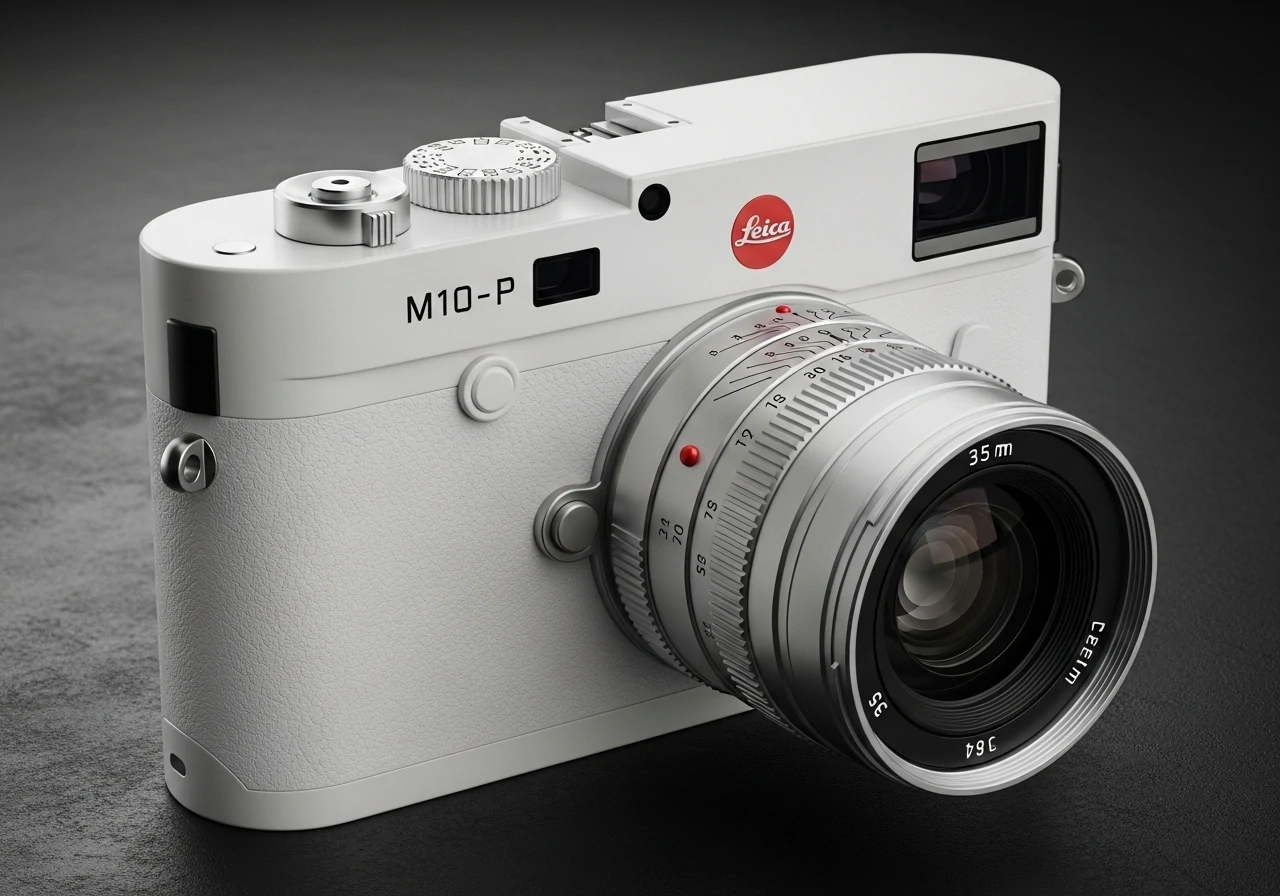
Key Features:
- Limited to 350 pieces worldwide
- White lacquered brass body
- 24MP full-frame sensor
- Classic rangefinder design
- Includes premium leather accessories
Why it's expensive: This limited edition combines Leica's legendary optical quality with exclusive design and extreme rarity. The white finish and limited production make it highly sought after by collectors and Leica enthusiasts.
5. Canon EOS-1D X Mark III
$6,500
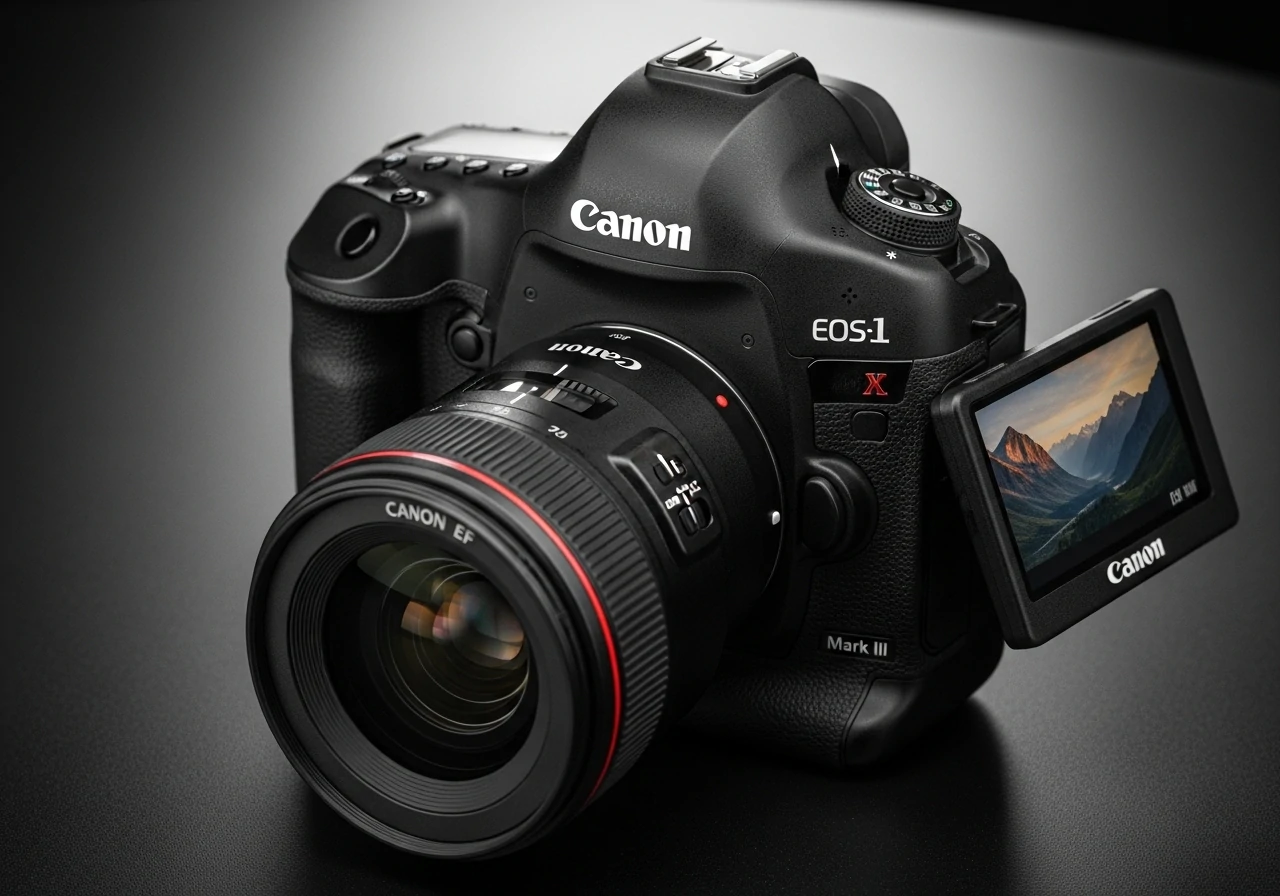
Key Features:
- 20.1MP full-frame sensor
- 16 fps continuous shooting
- ISO 100-102,400 (expandable)
- 4K video recording at 60fps
- Weather-sealed magnesium body
Why it's expensive: Built for professional sports and wildlife photographers, this camera offers unmatched speed, durability, and performance. Its advanced autofocus system and high-speed capabilities justify the premium price for professionals who need the best.
6. Fujifilm GFX 100S
$6,000
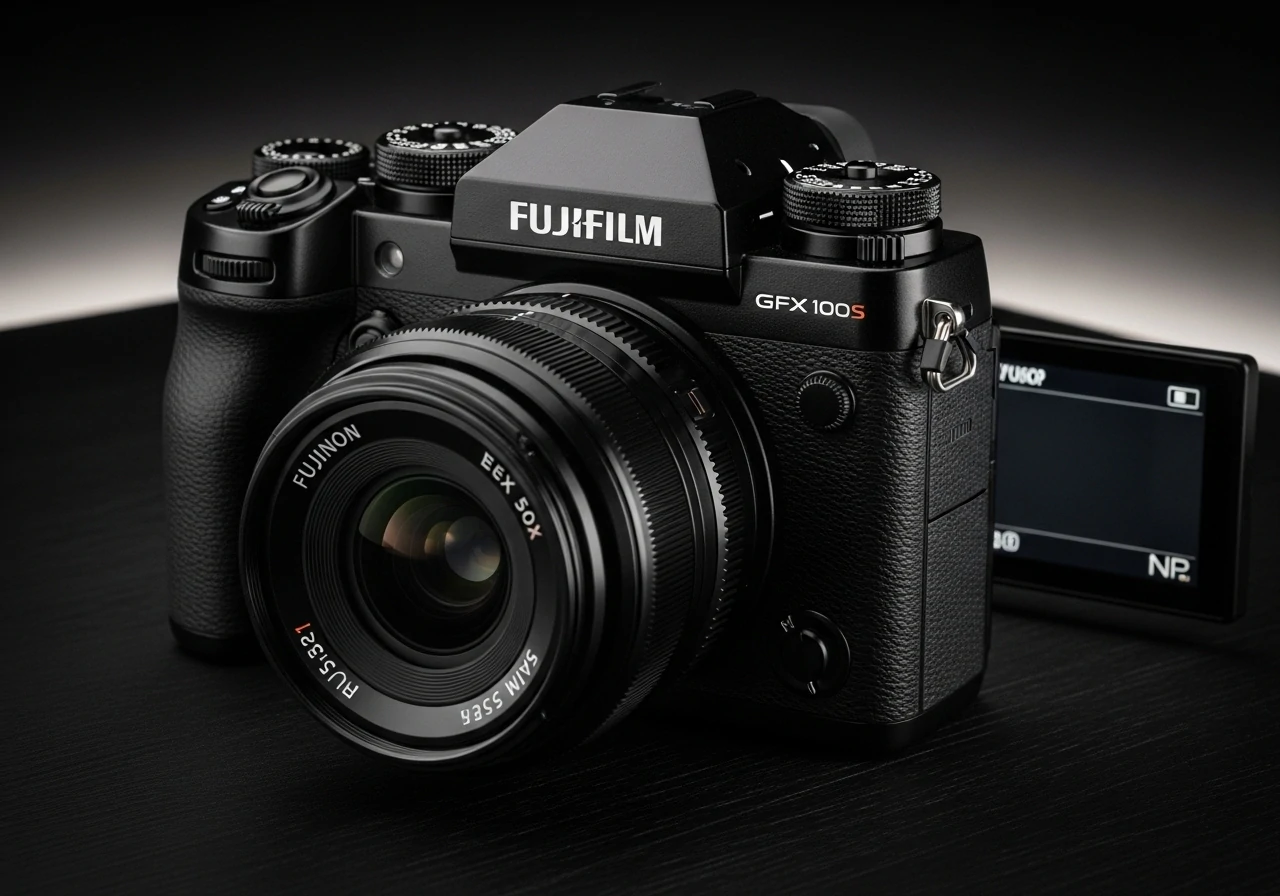
Key Features:
- 102MP medium format sensor
- 5-axis in-body stabilization
- 4K video recording capability
- Compact and lightweight design
- Advanced color science
Why it's expensive: This camera brings medium format quality in a relatively compact body, making high-resolution photography more accessible. The combination of resolution, image quality, and portability commands a premium price.
Factors Influencing Camera Prices
Understanding why certain cameras command astronomical prices requires examining the complex interplay of factors that contribute to their value. These factors go far beyond simple manufacturing costs and touch on elements of craftsmanship, technology, exclusivity, and market dynamics.
🔬 Materials and Craftsmanship
Premium cameras often incorporate exotic materials like titanium, magnesium alloys, and specially treated metals that resist corrosion and provide exceptional durability. The optical elements use the finest glass, often with rare earth elements and specialized coatings that can cost thousands of dollars per lens element. Hand-assembly by skilled craftsmen adds significant labor costs but ensures precision that automated processes cannot match.
🏆 Brand Heritage and Reputation
Established brands like Leica, Hasselblad, and Phase One have built reputations over decades or even centuries. This brand equity allows them to command premium prices based on perceived quality, reliability, and status. Professional photographers often choose these brands not just for their technical capabilities, but for the confidence and prestige they provide in professional settings.
⚡ Technological Innovation
Cutting-edge sensor technology, advanced image processing capabilities, and innovative features like in-body stabilization or revolutionary autofocus systems require substantial research and development investments. Companies must recoup these costs through higher prices, especially for cameras that push the boundaries of what's technically possible. Features like 150MP sensors or ISO capabilities exceeding 100,000 represent significant technological achievements.
💎 Exclusivity and Limited Production
Limited edition cameras, special commemorative models, or cameras produced in small quantities naturally command higher prices due to their scarcity. This exclusivity appeals to collectors and enthusiasts who value owning something rare and unique. Some manufacturers deliberately limit production to maintain exclusivity and justify premium pricing, creating a sense of urgency and desirability among potential buyers.
Market Dynamics and Target Audience
The market for expensive cameras is relatively small but consists of buyers who are less price-sensitive than typical consumers. Professional photographers, commercial studios, and serious enthusiasts often view expensive cameras as business investments or passion purchases where price is secondary to performance and quality. This allows manufacturers to maintain higher margins and invest in continued innovation.
Additionally, the used market for high-end cameras often remains strong, with some models appreciating in value over time. This residual value helps justify the initial high purchase price, as buyers know they can recoup a significant portion of their investment if they decide to sell.
Research and Development Costs
The development of advanced camera systems requires enormous investments in research and development, often spanning several years and involving teams of engineers, designers, and optical specialists. These costs must be amortized across the production run, and for specialized or low-volume cameras, this can significantly impact the final price. Companies also invest heavily in manufacturing equipment, quality control systems, and ongoing support infrastructure, all of which contribute to the overall cost structure of premium cameras.
What to Consider When Buying an Expensive Camera
Investing in an expensive camera is a significant decision that requires careful consideration of multiple factors. Whether you're a professional photographer looking to upgrade your equipment or an enthusiast considering a luxury purchase, these guidelines will help you make an informed decision.
💡 Key Question: Do You Really Need It?
Before considering any expensive camera, honestly assess whether your current equipment is limiting your creative or professional goals. Sometimes, improving technique or investing in better lenses can yield better results than upgrading the camera body.
Assess Your Intended Use
Different expensive cameras excel in different areas. Medium format cameras like the Phase One XF series are ideal for studio work, fashion photography, and fine art where maximum image quality is paramount. High-speed cameras like the Canon EOS-1D X Mark III are designed for sports and wildlife photography. Rangefinder cameras like Leica models appeal to street photographers and those who value discrete, high-quality equipment.
Consider your primary photography subjects, shooting conditions, and workflow requirements. A $40,000 medium format camera might be overkill for social media content, while a high-end sports camera might be unnecessary for portrait photography.
Evaluate Your Skill Level and Growth Potential
Expensive cameras often have complex feature sets and require significant expertise to utilize fully. If you're still learning fundamental photography concepts, a less expensive camera might be more appropriate initially. However, if you're an advanced photographer ready to push creative boundaries, investing in professional-grade equipment can be justified.
Consider whether you have the technical knowledge to maximize the camera's capabilities and whether you're committed to the learning curve that often comes with professional equipment.
Budget Considerations Beyond the Camera
Remember that the camera body is just one part of a complete system. High-end cameras often require expensive lenses, specialized accessories, and ongoing costs like professional-grade memory cards, batteries, and maintenance. Budget for the complete system, not just the camera body.
Also consider the opportunity cost – could the money be better invested in other aspects of your photography, such as lighting equipment, education, or marketing your work?
Research and Test Before Buying
Given the significant investment, thorough research is essential. Read professional reviews, watch video demonstrations, and if possible, rent or borrow the camera for a trial period. Many camera stores and rental companies offer this service, allowing you to experience the camera's handling, image quality, and workflow integration before committing to a purchase.
Pay attention to factors like ergonomics, menu systems, battery life, and compatibility with your existing equipment and workflow. The most expensive camera isn't necessarily the best choice if it doesn't fit your working style or technical requirements.
Conclusion
The world of expensive cameras represents the intersection of cutting-edge technology, masterful craftsmanship, and artistic vision. From the historic Leica prototypes that revolutionized photography to today's digital marvels that capture images with unprecedented detail and quality, these instruments embody the relentless pursuit of photographic excellence.
While the prices of these cameras may seem astronomical, they reflect the complex factors that contribute to their value: premium materials, advanced technology, brand heritage, exclusivity, and the substantial investments required for research and development. For professional photographers, these cameras are often essential tools that enable them to create work that wouldn't be possible with lesser equipment.
However, it's important to remember that expensive equipment doesn't automatically create better photographs. The most important elements of great photography – composition, timing, understanding of light, and artistic vision – cannot be purchased. These cameras are tools that, in the hands of skilled photographers, can help realize creative visions and achieve technical goals that might otherwise be impossible.
Whether you're considering investing in high-end photography equipment or simply fascinated by the pinnacle of camera technology, understanding the factors that drive these prices and the capabilities they offer provides valuable insight into the art and science of photography. The key is to match your equipment to your needs, skills, and aspirations, remembering that the best camera is ultimately the one that helps you create the images you envision.
📚 Continue Your Photography Journey
Interested in learning more about photography equipment and techniques? Consider exploring camera reviews, photography tutorials, and equipment comparison guides to deepen your understanding of this fascinating field.
#LuxuryCameras #PhotographyEquipment #ProfessionalPhotography #CameraReviews