
A comprehensive guide to mastering the visual language of cinema through still photography
- Introduction
- Understanding Cinematic Photography
- Key Distinguishing Elements
- Key Techniques in Cinematic Photography
- Equipment and Gear for Cinematic Photography
- Inspiration from Cinematic Masters
- Practical Tips for Aspiring Cinematic Photographers
- Editing and Post-Processing Techniques
- Showcasing Your Cinematic Photography
- Conclusion
Introduction
Cinematic photography represents the intersection where the art of still photography meets the visual storytelling techniques of cinema. It's a style that transforms ordinary moments into extraordinary visual narratives, borrowing the dramatic lighting, composition, and color palettes that make films so captivating.
In today's visual-centric world, cinematic photography has gained tremendous popularity across social media platforms, commercial advertising, and artistic expression. This comprehensive guide will take you through the essential elements, techniques, and creative processes that define this compelling photographic style.
"Photography is a way of feeling, of touching, of loving. What you have caught on film is captured forever... It remembers little things, long after you have forgotten everything." - Aaron Siskind
Understanding Cinematic Photography
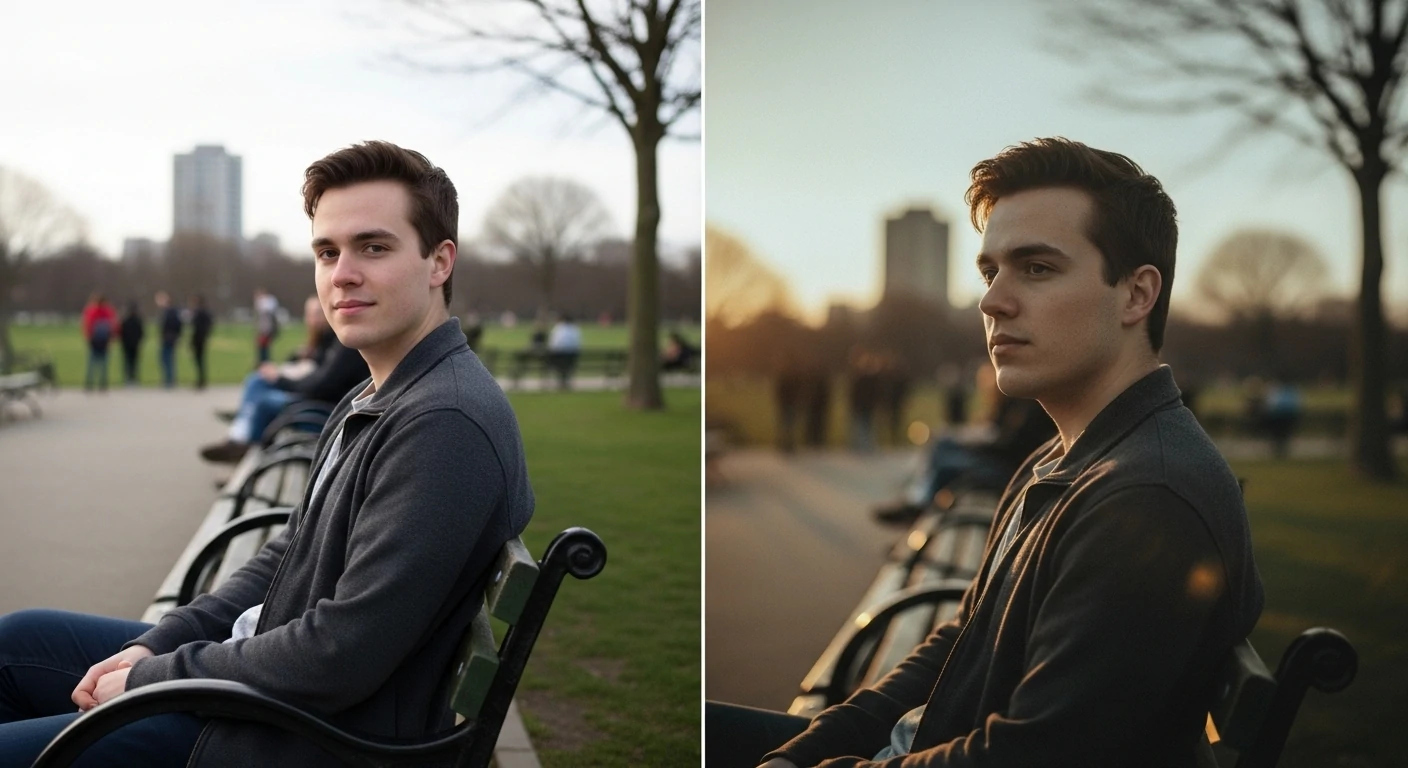
Cinematic photography is characterized by its ability to tell a story within a single frame, much like how a movie scene conveys narrative through visual elements. Unlike traditional photography that might focus purely on technical excellence or documentary accuracy, cinematic photography prioritizes mood, atmosphere, and emotional impact.
Key Distinguishing Elements
🎭 Dramatic Lighting
Strategic use of light and shadow to create mood and direct viewer attention, often mimicking film lighting setups.
🎨 Color Grading
Intentional color palettes that evoke specific emotions and create visual cohesion across a series of images.
📐 Cinematic Composition
Wide aspect ratios, leading lines, and framing techniques borrowed from cinematography.
📖 Narrative Focus
Each image tells a story or captures a moment that feels like a still from an imaginary film.
Historical Evolution
The roots of cinematic photography can be traced back to the early days of cinema when photographers like Ansel Adams and Edward Weston began experimenting with dramatic lighting and composition. The style gained momentum in the 1980s and 1990s as music videos and advertising began adopting more cinematic approaches to visual storytelling.
Key Techniques in Cinematic Photography
💡 Lighting Mastery
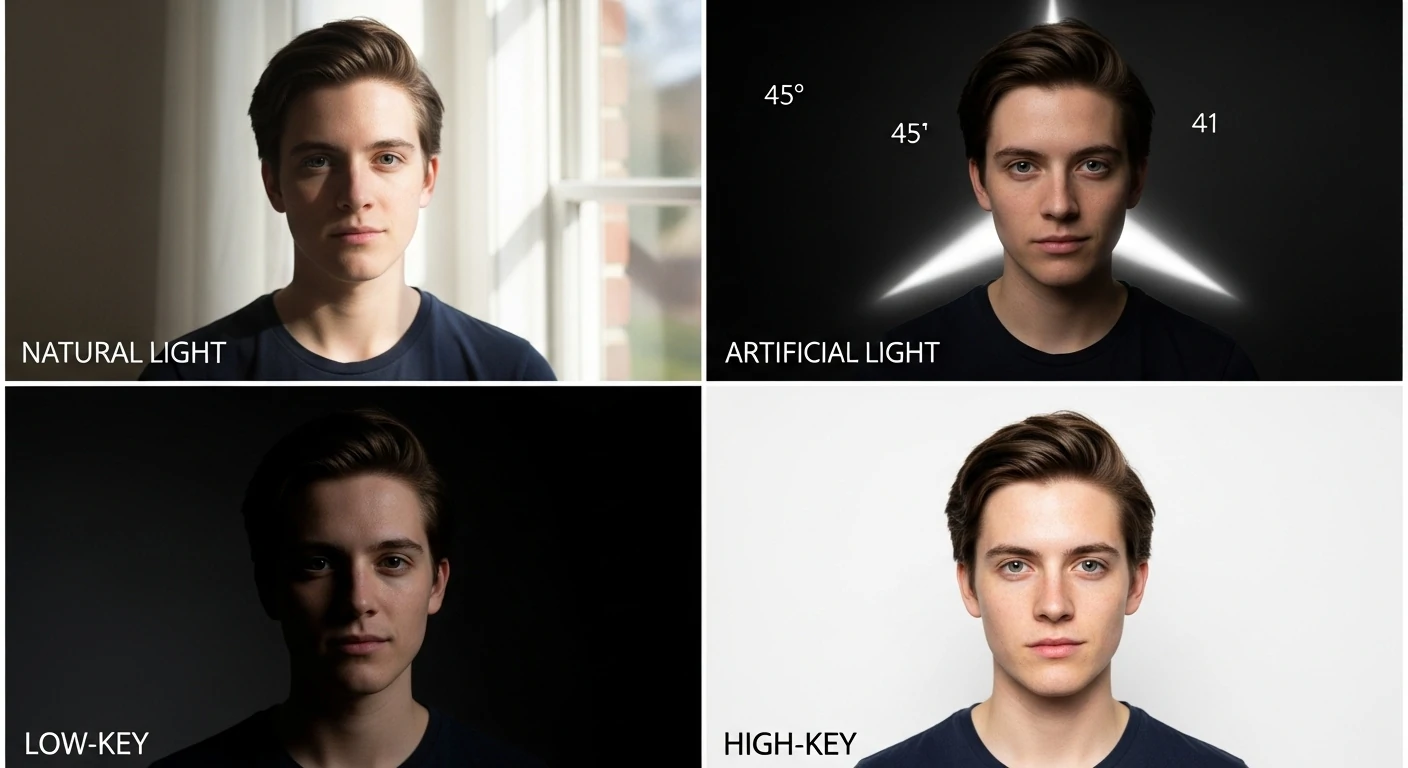
Lighting is the cornerstone of cinematic photography. It's not just about illuminating your subject; it's about creating mood, atmosphere, and visual interest that draws viewers into the story you're telling.
Essential Lighting Techniques:
- Golden Hour Magic: Utilize the warm, soft light during sunrise and sunset for naturally cinematic results
- Rembrandt Lighting: Create dramatic portraits with a triangle of light on the shadowed side of the face
- Backlighting: Position light sources behind subjects to create silhouettes and rim lighting effects
- Practical Lights: Incorporate existing light sources (street lamps, neon signs, windows) into your composition
- Color Temperature Mixing: Combine warm and cool light sources for visual contrast and depth
📐 Composition Excellence
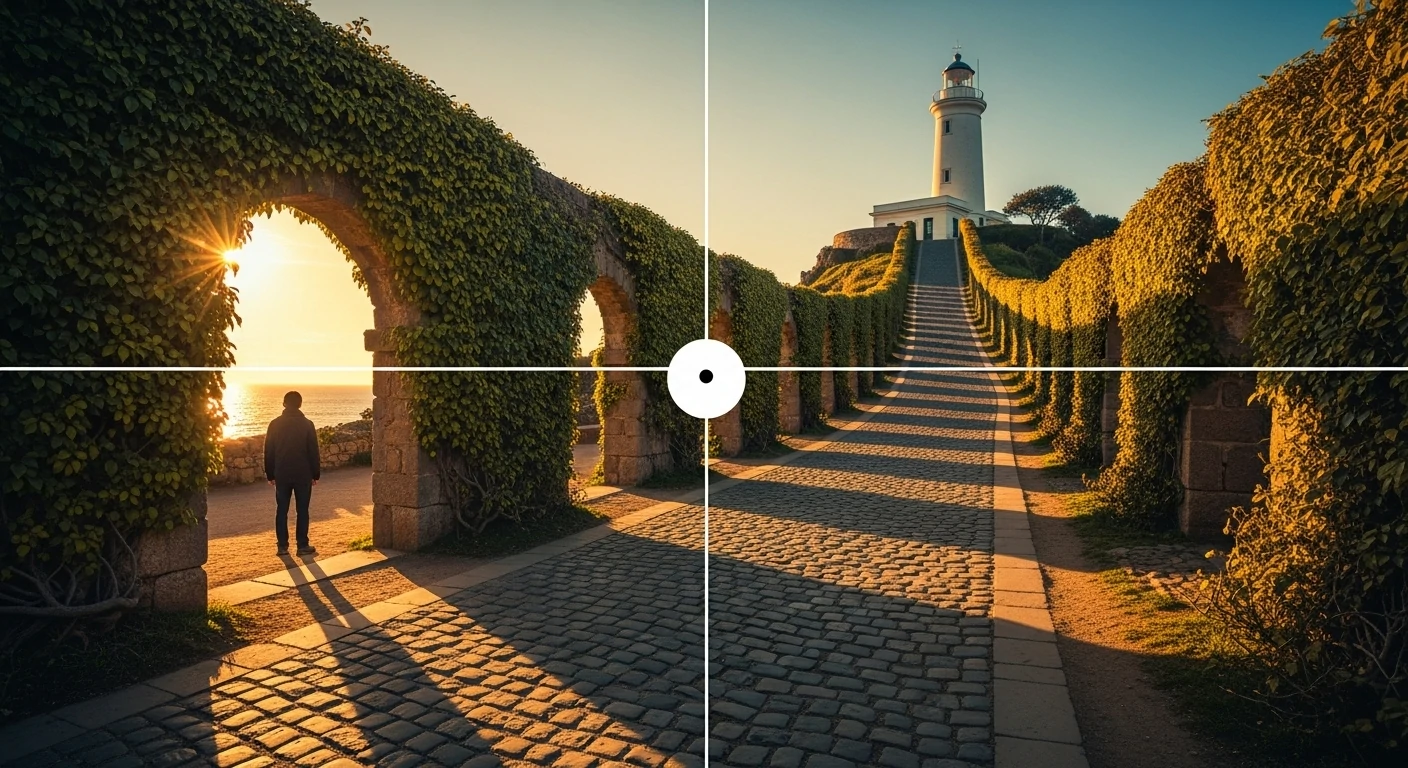
Cinematic composition goes beyond traditional photography rules, incorporating techniques that create visual flow and guide the viewer's eye through the frame like a movie scene.
Wide Aspect Ratios
Use 2.35:1 or 16:9 ratios to create that cinematic letterbox feel
Depth Layering
Create foreground, middle ground, and background elements for dimensional depth
Leading Lines
Use architectural elements, roads, or natural features to guide the eye
🎨 Color Grading Impact
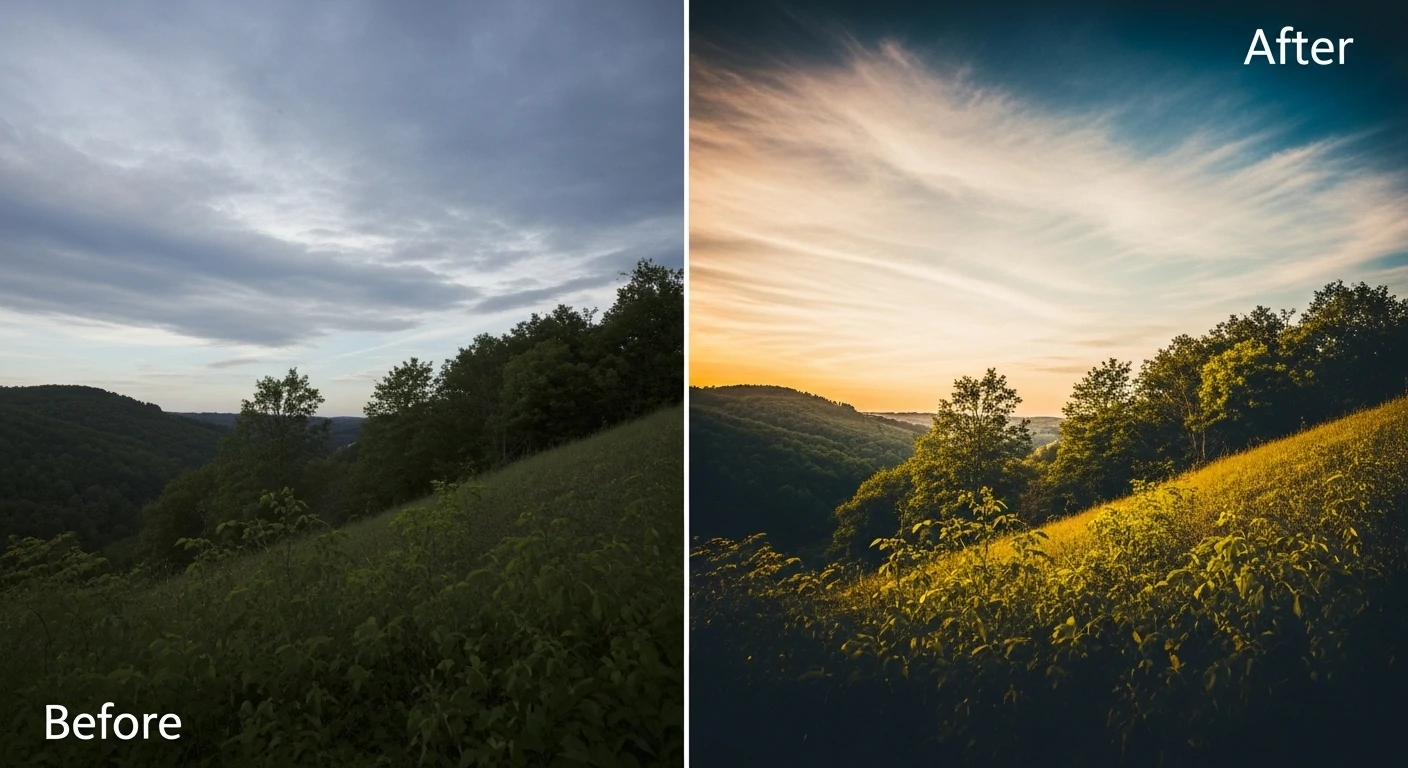
Color grading is where cinematic photography truly comes alive. It's the process of enhancing and stylizing colors to create specific moods and visual consistency across your work.
Popular Cinematic Color Palettes:
Orange & Teal: High contrast, modern blockbuster feel
Warm & Cool: Emotional depth and visual separation
Complementary: Bold, attention-grabbing combinations
Monochromatic: Subtle, sophisticated mood setting
Equipment and Gear for Cinematic Photography
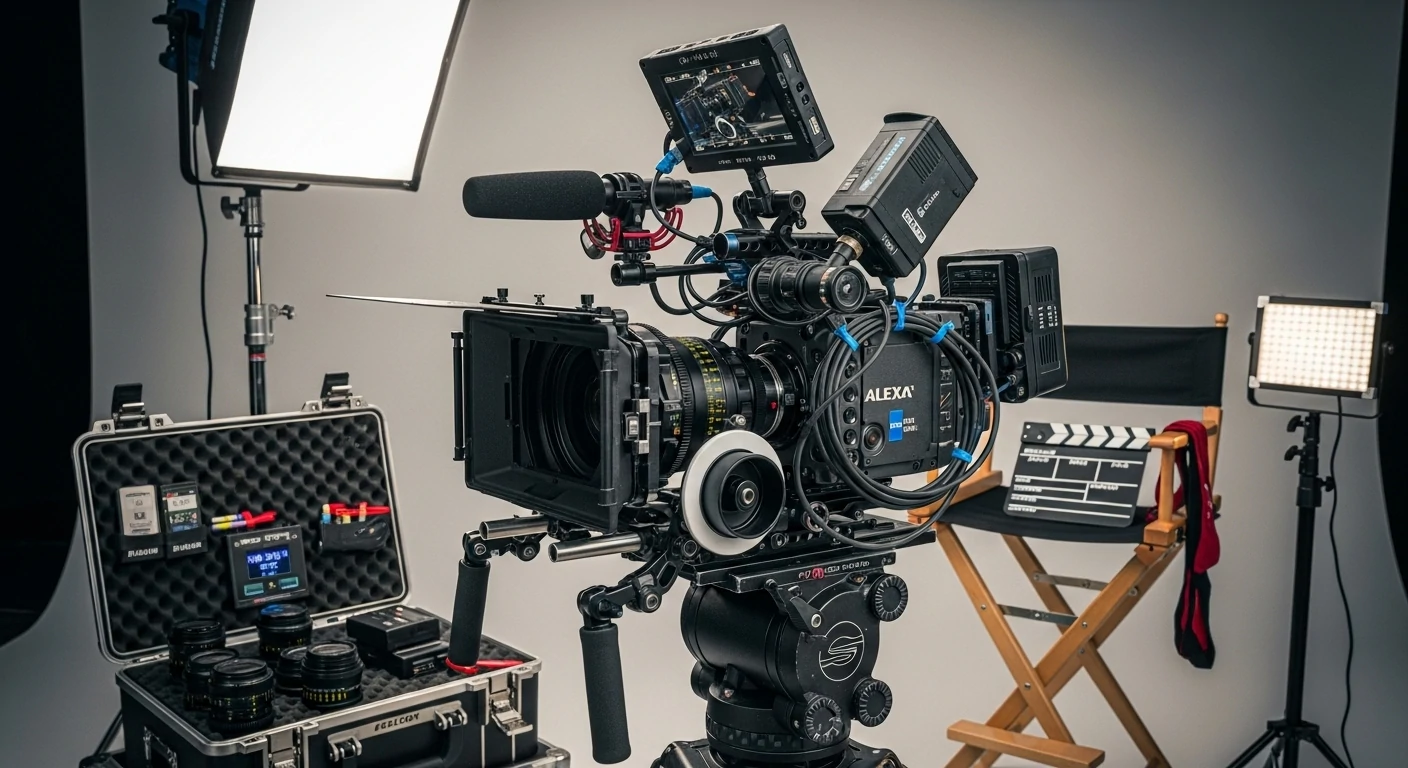
While cinematic photography is more about vision and technique than expensive gear, having the right equipment can significantly enhance your ability to achieve professional results.
📷 Camera Recommendations
- Full-Frame DSLRs: Canon 5D Mark IV, Nikon D850
- Mirrorless: Sony A7R IV, Fujifilm X-T4
- Cinema Cameras: Blackmagic Pocket 6K, RED Komodo
- Budget Options: Canon EOS RP, Sony A7 III
🔍 Essential Lenses
- 35mm f/1.4: Perfect for environmental portraits
- 50mm f/1.2: Classic cinematic focal length
- 85mm f/1.4: Beautiful compression and bokeh
- 24-70mm f/2.8: Versatile zoom for various scenarios
🎬 Stabilization & Support
Smooth, stable footage is crucial for cinematic quality. Consider these stabilization options:
🎥
Gimbals
DJI Ronin, Zhiyun Crane series
📐
Tripods
Carbon fiber for portability
🎚️
Sliders
For smooth tracking shots
Inspiration from Cinematic Masters
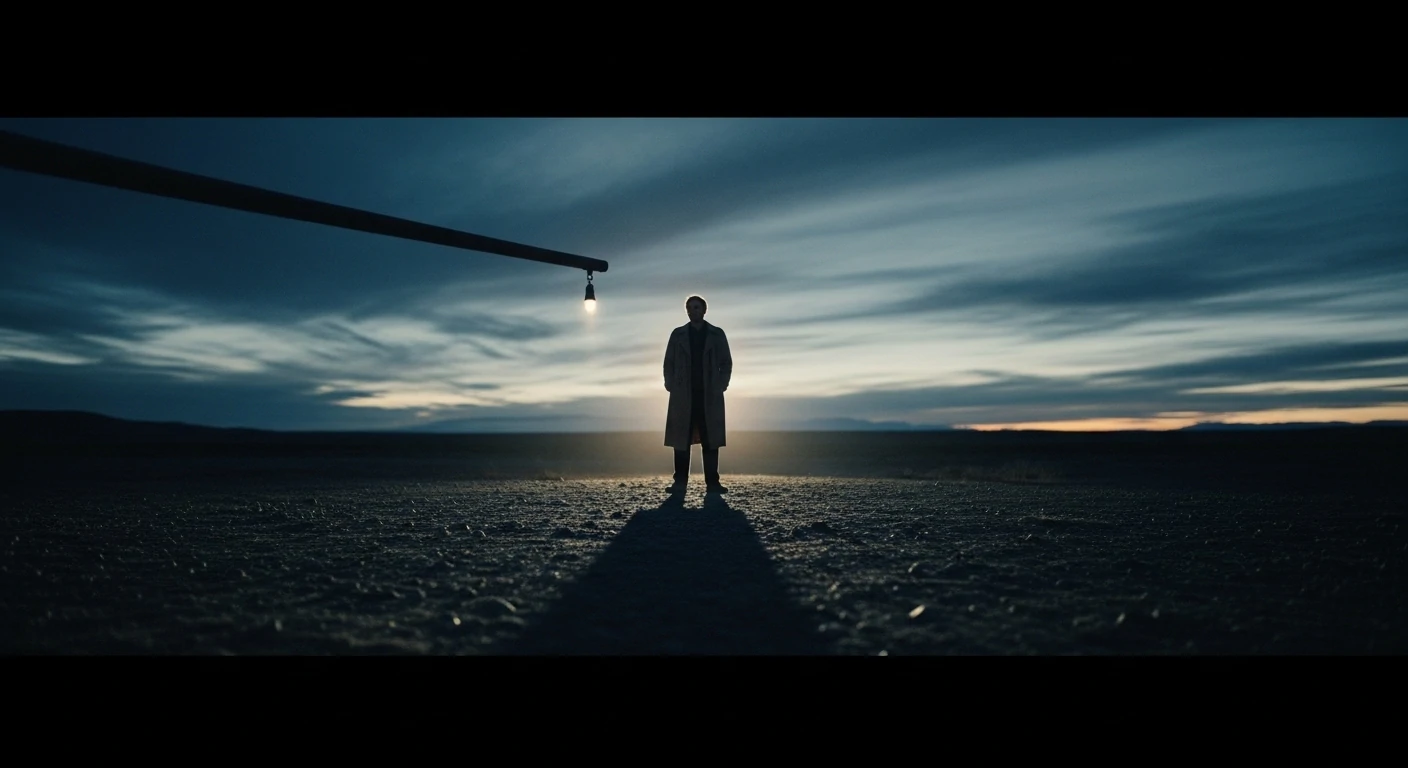
Learning from the masters is essential for developing your cinematic eye. These influential artists have shaped the visual language of cinema and photography.
🎬 Roger Deakins
Master of natural lighting and atmospheric cinematography. Known for films like "Blade Runner 2049" and "1917."
Signature Style: Minimalist lighting, natural environments, subtle color palettes
📸 Gregory Crewdson
Photographer known for elaborate, cinematic tableaux that blur the line between photography and film.
Signature Style: Suburban surrealism, elaborate lighting setups, narrative complexity
🎭 Emmanuel Lubezki
Three-time Oscar winner known for innovative camera work and natural lighting in films like "The Revenant."
Signature Style: Long takes, natural light, immersive camera movement
🌟 Annie Leibovitz
Portrait photographer whose work often incorporates cinematic lighting and storytelling elements.
Signature Style: Dramatic portraits, elaborate sets, bold color choices
Practical Tips for Aspiring Cinematic Photographers
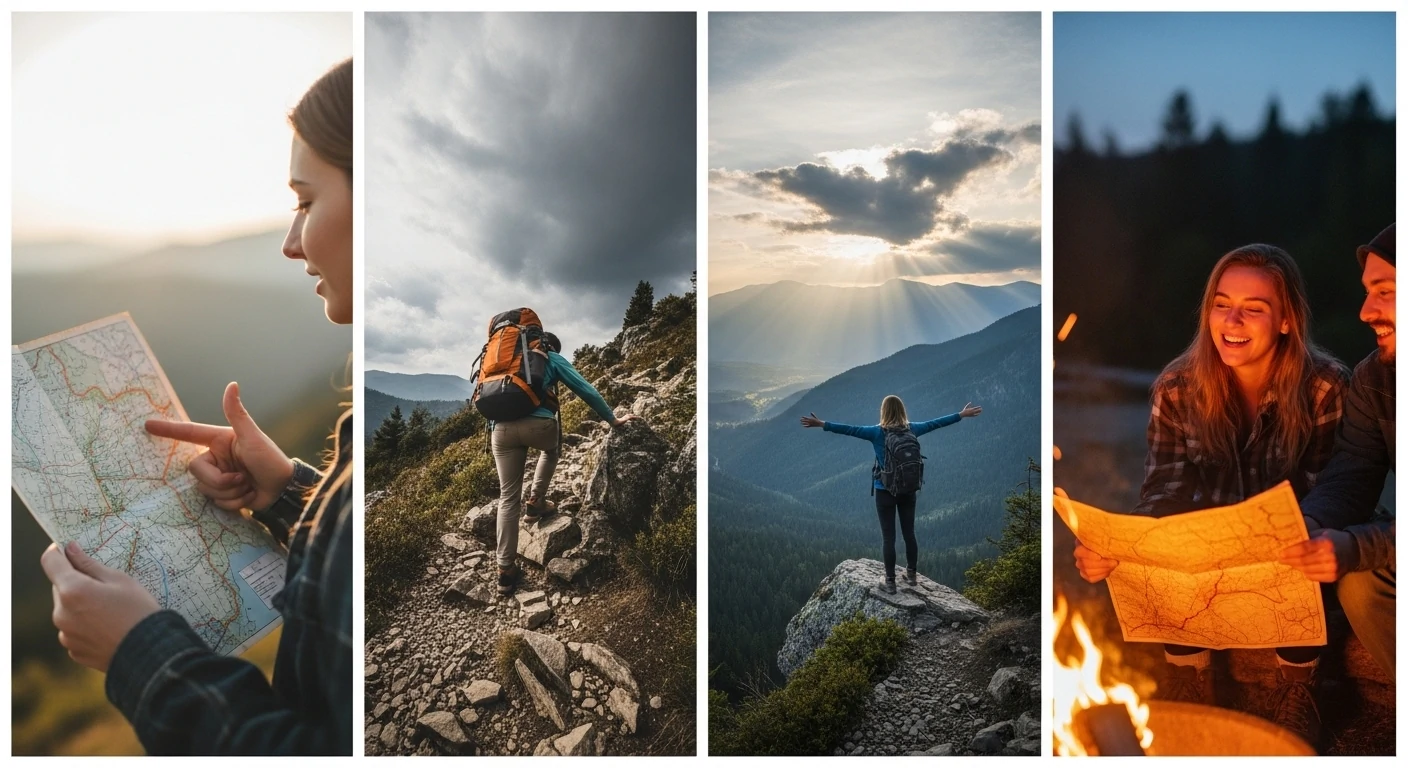
🎯 Essential Shooting Tips
Urban Environments
- Utilize neon lights and street lamps for mood lighting
- Shoot during blue hour for balanced ambient light
- Look for reflections in windows and wet surfaces
- Use architectural lines to create depth
Urban Environments
- Utilize neon lights and street lamps for mood lighting
- Shoot during blue hour for balanced ambient light
- Look for reflections in windows and wet surfaces
- Use architectural lines to create depth
Portrait Work
- Direct your subjects like a film director
- Use shallow depth of field for subject isolation
- Consider wardrobe and styling choices
- Capture genuine emotions and expressions
Storytelling Focus
- Every image should suggest a larger narrative
- Include environmental context clues
- Think about what happened before/after the shot
- Use props and details to enhance the story
💡 Pro Tip: The "What If" Approach
Before taking any shot, ask yourself: "What if this were a scene from a movie? What genre would it be? What story would it tell?" This mindset shift can transform ordinary moments into cinematic gold.
Editing and Post-Processing Techniques
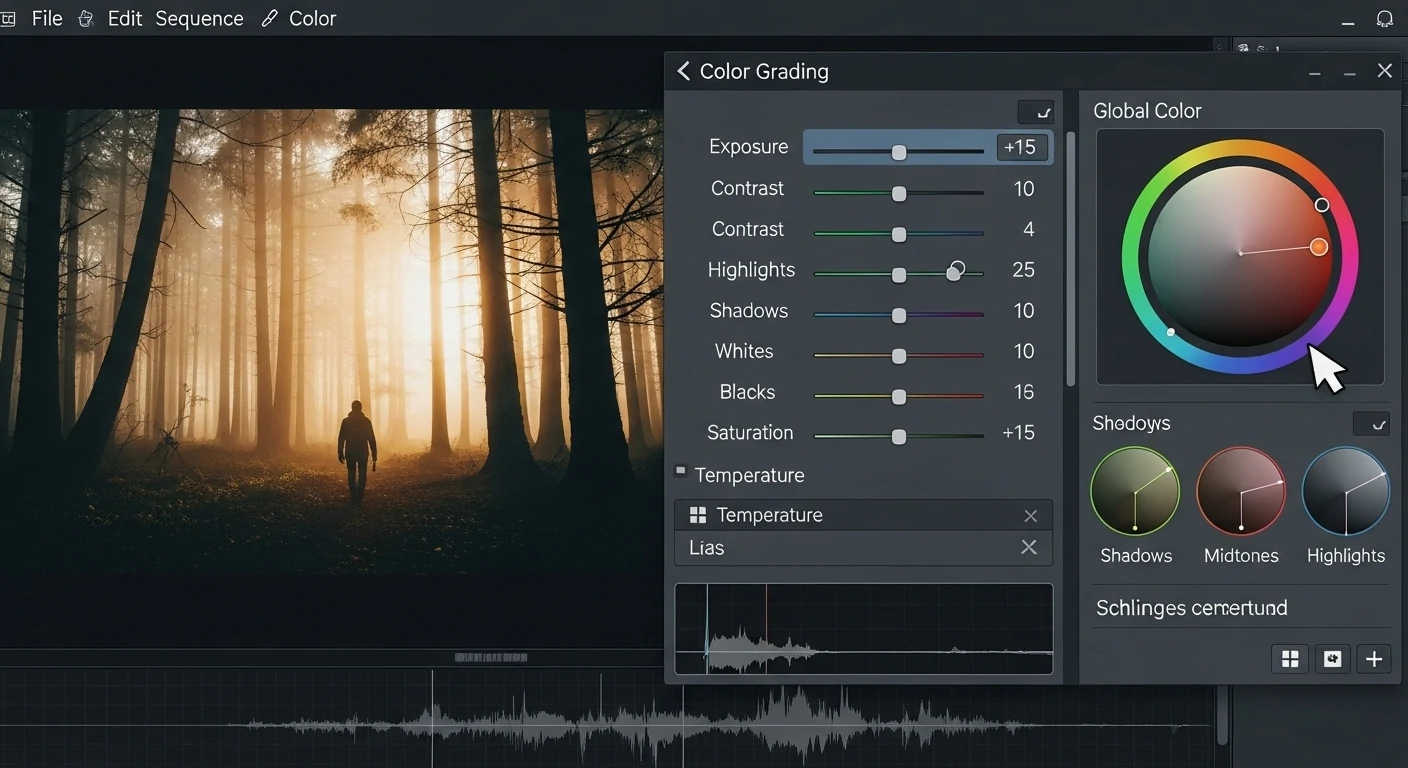
Post-processing is where cinematic photography truly comes to life. The right editing techniques can transform a good photograph into a compelling cinematic image that tells a story.
🎨
Adobe Lightroom
Perfect for color grading and basic adjustments
🖼️
Adobe Photoshop
Advanced compositing and detailed retouching
🎬
DaVinci Resolve
Professional color grading capabilities
🔧 Essential Editing Workflow
1. Basic Corrections
Adjust exposure, highlights, shadows, and white balance
2. Color Grading
Apply cinematic color palettes using curves and color wheels
3. Selective Adjustments
Use masks to enhance specific areas of the image
4. Final Polish
Add film grain, vignetting, and final sharpening
Showcasing Your Cinematic Photography

Creating stunning cinematic photographs is only half the battle. Presenting your work effectively is crucial for building an audience and establishing your artistic voice.
🌐 Digital Platforms
- Instagram: Perfect for reaching photography enthusiasts
- Behance: Professional portfolio showcase
- 500px: Photography-focused community
- Personal Website: Complete creative control
🎯 Portfolio Tips
- Consistency: Maintain a cohesive visual style
- Quality over Quantity: Show only your best work
- Storytelling: Organize images to tell a narrative
- Regular Updates: Keep content fresh and current
📈 Building Your Audience
💬
Engage Authentically
Comment meaningfully on others' work
🏷️
Use Strategic Hashtags
Research relevant photography tags
🤝
Collaborate
Work with other creatives
Conclusion
Cinematic photography is more than just a technical skill—it's a way of seeing the world through the lens of storytelling. By mastering the techniques of lighting, composition, and color grading, while drawing inspiration from cinematic masters, you can create images that not only capture moments but transport viewers into compelling visual narratives.
Remember that the most important element in cinematic photography is your unique vision. While technical skills and equipment are important, it's your creative perspective that will set your work apart and create truly memorable images.
🚀 Your Next Steps
- Start experimenting with dramatic lighting in your current environment
- Study your favorite films and analyze their visual techniques
- Practice color grading with free software like DaVinci Resolve
- Share your work and connect with the photography community
Ready to Start Your Cinematic Journey?
We'd love to see your cinematic photography creations! Share your work and experiences in the comments below, and let's build a community of visual storytellers.